
Introduction: The Magic of Disney Imagineering and the Aggie Network
Disney Imagineering represents a unique blend of creativity, engineering, and storytelling that has become synonymous with the immersive experiences found in Disney theme parks. This innovative field is not merely about constructing rides; it is about crafting entire worlds where guests can escape reality and engage with beloved characters and narratives. At the heart of this endeavor are the Imagineers—creative professionals who design and build these magical experiences. Their work requires a deep understanding of engineering principles, artistic vision, and a commitment to storytelling, making it a fascinating intersection of disciplines.
Graduates from Texas A&M University (TAMU) have made significant contributions to Disney Imagineering, showcasing how an engineering background can be pivotal in this creative industry. For instance, Emily Richardson, a chemical engineering graduate from TAMU, has taken on the role of project and delivery integration manager at Walt Disney Imagineering. Her journey illustrates how the rigorous training in engineering equips individuals with problem-solving skills and a technical mindset that are essential in the design and execution of complex attractions. Richardson’s experiences, including her appreciation for the intricate storytelling involved in Disney’s attractions, highlight the importance of engineering in creating immersive experiences that resonate with guests.
Esteban Aristizabal, another TAMU graduate, emphasizes the adaptability and grit instilled in him during his time at the university. As a software engineer at Disney, he develops platforms that support Imagineers worldwide, underscoring the critical role of technology in enhancing the guest experience. His work exemplifies how engineers contribute to the seamless integration of digital tools and interactive elements that elevate the overall enjoyment of theme park visitors. The engineering skills acquired at TAMU not only prepare graduates for technical challenges but also empower them to innovate within the creative landscape of theme park design.
The Aggie Network, a robust community of Texas A&M alumni, further amplifies the success of these graduates in the field of Imagineering. This network fosters connections and collaboration among alumni, providing a support system that can lead to job opportunities and professional growth. The shared experiences and camaraderie among Aggies create a sense of belonging that extends beyond the university, allowing graduates to leverage their connections as they navigate their careers. This network is particularly valuable in industries like theme park design, where collaboration and teamwork are essential for bringing imaginative concepts to life.
The intersection of education, creativity, and engineering is crucial in the realm of theme park design. As demonstrated by the experiences of TAMU graduates, a solid foundation in engineering principles can enhance creative processes, enabling Imagineers to push the boundaries of what is possible in immersive storytelling. The ability to blend technical expertise with artistic vision is what sets Disney Imagineers apart, allowing them to create experiences that captivate audiences of all ages.
As the theme park industry continues to evolve, the demand for professionals who can navigate both the technical and creative aspects of design will only grow. The stories of TAMU graduates in Disney Imagineering serve as a testament to the potential of engineering education in fostering innovation and creativity in fields traditionally dominated by the arts. Their journeys highlight the importance of interdisciplinary collaboration and the unique contributions that engineers can make in shaping the future of entertainment and immersive experiences.
The Role of Engineering in Theme Park Design
Engineers play a pivotal role in the design and creation of theme park attractions, where their expertise transforms imaginative concepts into tangible experiences that captivate millions of visitors each year. The integration of engineering principles is essential in crafting immersive environments that not only entertain but also ensure safety and operational efficiency. This multifaceted approach combines technology, storytelling, and safety measures, creating attractions that resonate with guests on multiple levels.
One of the most significant contributions of engineers in theme parks is their ability to blend storytelling with technical design. For instance, Disney Imagineers, including Texas A&M University graduates like Emily Richardson and Esteban Aristizabal, exemplify this integration. Richardson, a chemical engineering graduate, emphasizes the importance of understanding the intricate storytelling behind attractions. Her role as a project and delivery integration manager involves ensuring that the narrative elements of a ride are seamlessly woven into its physical structure. This requires a deep understanding of both engineering and creative storytelling, showcasing how engineers can enhance the guest experience by making the fantastical feel real.
Esteban Aristizabal, who specializes in software engineering, highlights another critical aspect of theme park design: the use of technology to create interactive experiences. His work involves developing platforms that support Imagineers globally, which is crucial for maintaining the consistency and quality of attractions across different locations. The application of advanced technologies, such as artificial intelligence and robotics, allows for dynamic interactions that engage guests in ways that were previously unimaginable. For example, the use of AI-driven animatronics in attractions like “Star Wars: Galaxy’s Edge” not only enhances the storytelling but also creates a more immersive environment for visitors.
Safety is another paramount concern in theme park engineering. Engineers must ensure that every ride and attraction adheres to strict safety standards while still delivering thrilling experiences. This involves rigorous testing and analysis, often utilizing computer-aided design (CAD) and simulation tools to predict how rides will perform under various conditions. The engineering teams at parks like Six Flags and Disney conduct extensive trials to evaluate new technologies and gather guest feedback, ensuring that innovations can withstand the demands of high visitor volumes. This commitment to safety not only protects guests but also enhances their overall enjoyment, as they can fully immerse themselves in the experience without concern.
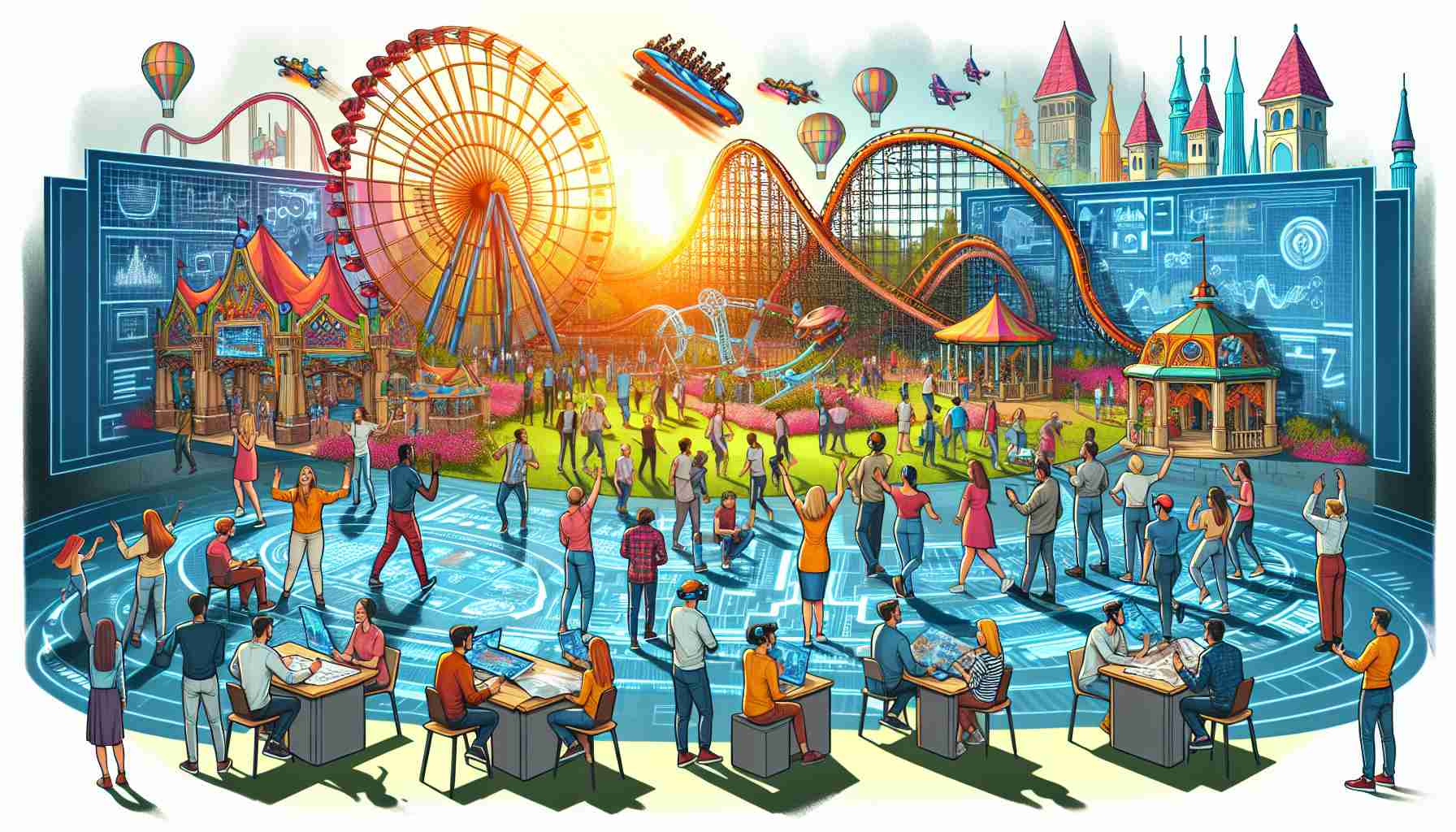
The collaborative nature of theme park design is also noteworthy. Engineers work alongside architects, designers, and storytellers to create cohesive attractions. This teamwork is evident in projects like the “Guardians of the Galaxy: Cosmic Rewind” ride, where engineers like Andres Ovalles contribute to both the technical and narrative aspects of the attraction. Ovalles’ involvement in story development and design reviews illustrates how engineers are integral to the creative process, ensuring that the final product aligns with the intended experience.
Moreover, the diversity of educational backgrounds among professionals in the theme park industry fosters innovation. While many engineers come from traditional engineering disciplines, others, like architecture majors, bring unique perspectives that enhance the design process. Luke Neely, an architecture student at Catholic University of America, aspires to become a show designer, focusing on the exterior planning of rides and attractions. His experiences highlight how different degrees contribute to the creative landscape of theme parks, emphasizing that a blend of skills is essential for pushing the boundaries of what is possible in themed design.
As theme parks continue to evolve, the integration of cutting-edge technologies will play an increasingly vital role in shaping guest experiences. The use of generative AI, robotics, and advanced simulation tools is transforming how attractions are designed and operated. For instance, the implementation of mobile apps for ride reservations and food orders has revolutionized guest interactions, streamlining their experience from entry to exit. Engineers are at the forefront of these advancements, ensuring that technology enhances rather than detracts from the magic of the theme park experience.
In conclusion, the contributions of engineers in theme park design are multifaceted and essential to creating immersive experiences that delight guests. By integrating technology, prioritizing safety, and collaborating with creative teams, engineers help bring fantastical worlds to life, ensuring that every visit to a theme park is a memorable adventure. The experiences of Texas A&M graduates and other professionals in the industry underscore the importance of engineering in enhancing guest experiences, showcasing how this discipline is integral to the magic of theme parks.
The Impact of Alumni Networks on Career Development
The significance of alumni networks in shaping career opportunities cannot be overstated, particularly when examining the robust connections fostered by the Aggie Network at Texas A&M University (TAMU). This network, characterized by its loyalty and camaraderie, serves as a powerful resource for graduates, providing pathways to job opportunities, mentorship, and professional growth. The experiences of TAMU alumni, particularly those who have ventured into creative industries like Disney Imagineering, illustrate the profound impact of these connections.
Emily Richardson, a 2001 graduate in chemical engineering, exemplifies how the Aggie Network can facilitate career advancement. Now a project and delivery integration manager at Walt Disney Imagineering, Richardson reflects on her journey, noting that her education at TAMU equipped her with the technical skills and resilience necessary for her role. She emphasizes the importance of the Aggie Network, stating that the relationships she built during her time at Texas A&M have been instrumental in her career. Richardson’s story is not unique; many Aggies find that their connections lead to job opportunities that might not be available through traditional job searches.
Esteban Aristizabal, a 2018 computer engineering graduate, echoes this sentiment. Working as a software engineer at Disney, he credits his TAMU education for instilling the grit and adaptability required in his role. Aristizabal’s experience highlights how the Aggie Network extends beyond mere job placement; it fosters a sense of community that encourages collaboration and support among its members. He recalls how fellow Aggies have been pivotal in navigating challenges and seizing opportunities within the competitive landscape of Disney.
The collaborative spirit of the Aggie Network is further illustrated by the experiences of a team of Aggies working on Disney Cruise Line projects in Germany. Members like Andres Ovalles, Thomas Mas, and Carolina Torres-Ovalles share a common bond rooted in their TAMU backgrounds, which enhances their teamwork and creativity. Ovalles, who contributed to the design of the Guardians of the Galaxy: Cosmic Rewind ride, emphasizes that the shared experiences and values instilled at Texas A&M create a strong foundation for professional collaboration. This sense of belonging and mutual support is a hallmark of the Aggie Network, setting it apart from other alumni networks.
When comparing the Aggie Network to other prominent alumni networks in the U.S., such as those at Harvard or Stanford, it becomes clear that while many universities boast extensive alumni connections, the Aggie Network’s unique culture of loyalty and support is particularly noteworthy. For instance, Harvard’s alumni network, with its vast reach across various sectors, offers significant opportunities, especially in business and politics. However, the Aggie Network’s emphasis on community and shared values fosters a more personal approach to professional development. This is evident in the way Aggies actively seek to mentor and support one another, creating a nurturing environment that can be especially beneficial for recent graduates entering the workforce.
Moreover, the Aggie Network’s influence extends beyond immediate job opportunities. Alumni often engage in philanthropic efforts to support current students, further strengthening the community. Jodie Ream, a space physicist and USU alumna, highlights the importance of mentorship and support from faculty and peers in her own journey. While her experience at Utah State University (2025 USNews Ranking: 259) differs from that of TAMU graduates, it underscores a common theme: the value of strong networks in shaping successful careers.
In conclusion, the Aggie Network exemplifies how university connections can significantly impact career trajectories. The stories of TAMU graduates like Richardson and Aristizabal illustrate the tangible benefits of these relationships, from job placements to collaborative projects. As alumni continue to support one another, the Aggie Network not only enhances individual careers but also contributes to a culture of innovation and excellence within the creative industries. This dynamic underscores the importance of fostering strong alumni networks in higher education, as they play a crucial role in shaping the professional landscape for graduates.
Diversity of Educational Backgrounds in Creative Industries
The creative industries, particularly in theme park design and entertainment, thrive on a rich tapestry of educational backgrounds and experiences. This diversity is not merely a byproduct of the field; it is a fundamental driver of innovation and creativity. The stories of professionals from various universities, including Texas A&M University (TAMU), illustrate how different degrees and interdisciplinary approaches contribute to the imaginative landscapes of theme parks and entertainment experiences.
Take, for instance, the journeys of several Texas A&M graduates who have become Disney Imagineers. Emily Richardson, a chemical engineering graduate, exemplifies how engineering principles can be applied to storytelling and design. Her role as a project and delivery integration manager at Walt Disney Imagineering highlights the importance of technical expertise in creating immersive experiences. Richardson’s engineering background allows her to appreciate the intricate mechanics behind attractions, enhancing her ability to contribute to the storytelling aspect of theme park design. This intersection of engineering and creativity is crucial in a field where the physical and narrative elements must harmonize seamlessly.
Similarly, Esteban Aristizabal, a computer engineering graduate, emphasizes the adaptability and problem-solving skills honed during his education. As a software engineer at Disney, he develops platforms that support Imagineers worldwide, showcasing how technical skills can facilitate collaboration and innovation across disciplines. His experience underscores the notion that a strong foundation in engineering can empower professionals to tackle complex challenges in creative environments, ultimately leading to groundbreaking attractions that captivate audiences.
The collaborative spirit among these Aggies is further reflected in the work of their peers in Germany, who are involved in projects for Disney Cruise Line. Their shared experiences at TAMU foster a sense of community that transcends geographical boundaries, illustrating how alumni networks can enhance professional growth. This camaraderie not only provides emotional support but also opens doors to diverse opportunities within the industry, reinforcing the idea that connections formed during university can significantly impact career trajectories.
The value of interdisciplinary approaches is echoed in the aspirations of students like Luke Neely, an architecture major at Catholic University of America (CUA). Neely’s passion for themed design was ignited by a book on Imagineering, leading him to pursue internships with the Walt Disney Company. His journey highlights how an architectural background can inform the design of immersive experiences, as architects bring a unique perspective on space, aesthetics, and functionality. Neely’s establishment of a student organization dedicated to themed design further illustrates the importance of community and collaboration in nurturing creativity among aspiring designers.
Moreover, the integration of advanced engineering technologies in theme park design is reshaping the industry. As highlighted in a recent article, amusement parks are increasingly adopting digital tools such as CAD, simulation, and robotics to enhance guest experiences. This technological evolution requires professionals from various backgrounds to work together, blending engineering, design, and storytelling to create attractions that resonate with visitors. The collaboration between engineers and animators, as seen in Disney’s projects, exemplifies how diverse skill sets can lead to innovative solutions that push the boundaries of traditional theme park experiences.
The impact of university networks, such as the Aggie Network, cannot be overstated in this context. These networks provide a platform for mentorship, collaboration, and professional development, enabling graduates to leverage their diverse backgrounds effectively. The stories of individuals like Jodie Ream, a space physicist from Utah State University, further illustrate how strong alumni connections can facilitate career advancement and foster a culture of support among professionals in various fields.
In conclusion, the creative industries, particularly in theme park design and entertainment, thrive on the diversity of educational backgrounds and experiences. The stories of professionals from TAMU and other universities highlight the importance of interdisciplinary approaches in fostering innovation and creativity. As the industry continues to evolve, the collaboration between individuals with varied expertise will be essential in shaping the future of immersive experiences that captivate audiences around the world.
Conclusion: The Future of Imagineering and the Role of Education
The experiences shared by Texas A&M alumni who have become Disney Imagineers highlight the critical intersection of engineering, creativity, and community in the realm of theme park design. As seen through the journeys of individuals like Emily Richardson and Esteban Aristizabal, engineering plays a vital role in crafting the immersive experiences that define Disney parks. Their stories illustrate how technical expertise is essential for developing innovative attractions that not only entertain but also tell compelling stories. This blend of engineering and artistry is crucial in an industry that thrives on creating magical experiences for guests.
Moreover, the significance of alumni networks, such as the Aggie Network, cannot be overstated. These connections provide invaluable support and opportunities for collaboration, enabling graduates to navigate their careers effectively. The shared experiences and camaraderie fostered by such networks empower individuals to pursue diverse roles within Disney, from engineering to storytelling and design. This sense of community is a powerful motivator, encouraging aspiring Imagineers to leverage their educational backgrounds and professional connections to explore various pathways in the industry.
As we look to the future of theme park design, the need for innovative thinkers who can seamlessly integrate creativity with technical skills will only grow. The ongoing evolution of technology in theme parks, as highlighted by advancements in digital tools and engineering practices, underscores the importance of diverse educational backgrounds. Professionals from various disciplines—be it engineering, architecture, or even the arts—bring unique perspectives that drive innovation in this dynamic field.
For those aspiring to join the ranks of Disney Imagineers, the message is clear: embrace your education, cultivate your networks, and remain open to the myriad opportunities available within the industry. The magic of Disney is not solely the result of engineering prowess or artistic vision; it is a collaborative effort that thrives on diverse talents and shared experiences. By harnessing the power of their education and connections, future professionals can contribute to the enchanting world of theme parks, ensuring that the legacy of creativity and innovation continues to flourish.
Reference:
Aggie Grads Share What It’s Like To Be Disney ‘Imagineers’
Architecture Major Dreams of Designing Themed Experiences
Engineering Transforms Theme Parks into the Digital Era
From Aggie to Space Scientist: The Journey of Jodie Ream
The 13 Largest College Alumni Networks in the USA
Understanding Mechanical Engineering at Michigan Technological University
24 Cutting-Edge Artificial Intelligence Applications in 2024