
Introduction: The Need for a Revamped Liberal Arts Curriculum
As the world hurtles forward, grappling with a myriad of intricate challenges—think technological leaps, climate crises, and social injustices—the educational landscape must evolve to meet these demands. Syracuse University‘s decision to overhaul its Liberal Arts Core (LAC) is a timely response to this call for change. The new curriculum, set to roll out in Fall 2025, is not just a patch-up job; it’s a complete reimagining of how education can equip students to tackle the complexities of modern society.
The rationale behind this revamp is crystal clear: traditional educational paradigms often fall short in addressing the interconnectedness of global issues. In an era where a single tweet can spark a global movement or where a viral video can raise awareness about climate change overnight, students need more than just disciplinary knowledge. They require a holistic understanding that transcends boundaries and fosters critical and creative thinking. By shifting from a rigid disciplinary framework to a thematic approach, Syracuse aims to cultivate students who can think broadly and act decisively.
The new curriculum is designed to prepare students for the challenges of tomorrow, emphasizing the necessity of critical thinking and creativity. It will encompass a diverse range of subjects, including global perspectives, ethics, and quantitative reasoning, ensuring that graduates emerge as well-rounded individuals ready to contribute meaningfully to society. The focus on experiential learning is particularly noteworthy; students will engage in research and hands-on projects that bridge the gap between theory and practice. This is where the magic happens—students aren’t just learning; they’re applying their knowledge in real-world contexts, gaining invaluable experience that will serve them in their future careers.
Moreover, the need for interdisciplinary collaboration has never been more pronounced. The challenges we face today—whether it’s climate change, public health crises, or social inequality—demand solutions that draw on insights from various fields. The new LAC framework at Syracuse is set to encourage this kind of collaboration, allowing students from different disciplines to work together and tackle pressing issues. This approach not only enriches their learning experience but also prepares them to function effectively in diverse teams, a skill that is increasingly sought after in the job market.
As we look towards the future, it’s essential to recognize that education is not just about imparting knowledge; it’s about shaping engaged global citizens who are equipped to navigate and address the complexities of our world. Syracuse University’s revamped LAC is a step in this direction, reflecting a commitment to adapt educational offerings to meet the evolving needs of society. By fostering critical thinking, practical skills, and interdisciplinary approaches, the university is not just preparing students for jobs; it’s preparing them to be leaders, innovators, and change-makers.
In this dynamic context, the importance of experiential learning cannot be overstated. It’s about immersing students in real-world challenges, allowing them to learn by doing. This hands-on approach not only enhances academic understanding but also builds confidence and resilience, essential traits for anyone stepping into the workforce. As we delve deeper into the implications of this revamped curriculum, we will explore how it enhances career readiness, the role of experiential learning in student development, and the necessity of interdisciplinary approaches to solve global challenges. So, buckle up—this educational journey is just getting started!
Enhancing Career Readiness through Liberal Arts Education
The conversation around liberal arts education and its role in career readiness is more relevant than ever, especially in the wake of Adam Weinberg’s compelling arguments for integrating career services into liberal arts colleges. As the president of Denison University, he passionately advocates for a paradigm shift in how we view and implement career preparation within the liberal arts framework. His insights challenge the traditional notion that liberal arts education is solely about fostering critical thinking and creativity, emphasizing the necessity of equipping students with practical skills that align with job market demands.
Weinberg points out that while liberal arts graduates are often celebrated for their soft skills—like communication, teamwork, and adaptability—they frequently lack specific technical skills that employers are looking for. For instance, proficiency in tools like Excel or basic coding has become essential in many fields, and this gap can hinder the employability of otherwise well-rounded graduates. To bridge this divide, Denison University has introduced initiatives like the ‘Denison Edge,’ which offers short certificate programs designed to enhance students’ skill sets with direct input from industry professionals. This approach not only helps students become more competitive in the job market but also reinforces the idea that liberal arts education can—and should—adapt to the evolving demands of the workforce.
Similarly, Huron University echoes this sentiment by highlighting the increasing importance of soft skills in a job market that is rapidly changing due to technological advancements. Linea Dacosta, a representative from Huron, argues that the demand for uniquely human skills—such as empathy, critical thinking, and effective communication—is on the rise, particularly in an age where artificial intelligence and automation are reshaping industries. Huron’s commitment to blending liberal arts with practical applications is evident in its curriculum, which includes programs that not only foster critical thinking but also prepare students for specific career paths through guaranteed internships and mentorship opportunities. This dual focus on soft and technical skills positions Huron graduates as adaptable leaders ready to navigate the complexities of modern workplaces.
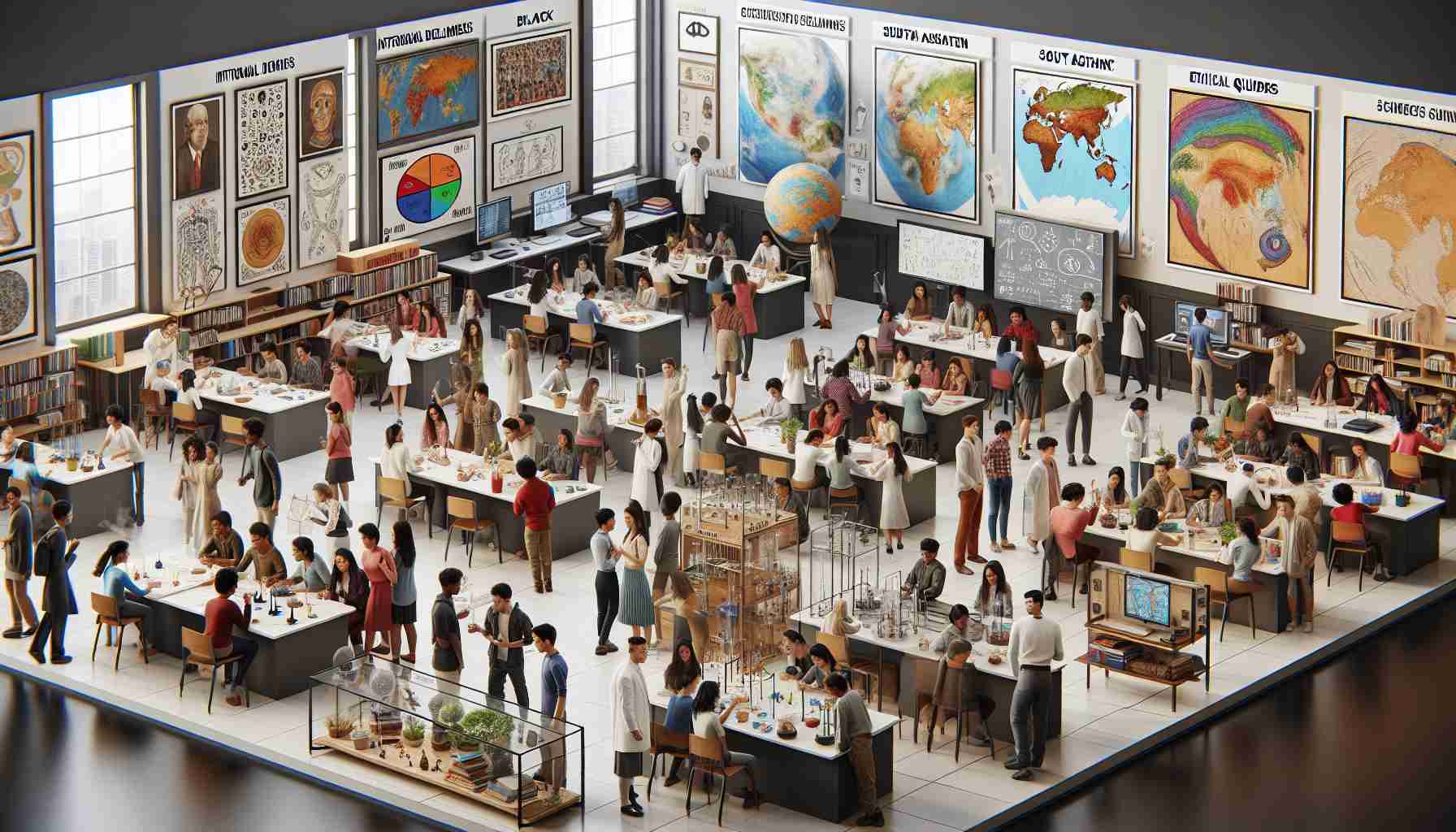
The balance between soft skills and technical skills is crucial in preparing graduates for the workforce. While technical skills can often be learned through specific training programs, soft skills are typically developed through a liberal arts education. This is where the beauty of a well-rounded liberal arts curriculum shines: it cultivates individuals who can think critically and creatively while also being equipped to tackle practical challenges. This synergy is essential for fostering graduates who are not only employable but also capable of making meaningful contributions to their fields and society at large.
To illustrate this balance further, we can look at the innovative practices at institutions like Wayne State University (2025 USNews Ranking: 179) , which recently expanded its academic offerings with 24 new courses aimed at enhancing career readiness across various disciplines. Courses like ‘AI & Data Ethics’ and ‘Introduction to Applied Health Sciences’ are designed to cultivate both critical thinking and practical skills, ensuring students are well-prepared for the demands of their respective fields. By integrating contemporary issues like ethics in technology and health sciences into the curriculum, Wayne State exemplifies how liberal arts programs can evolve to meet the needs of today’s job market while maintaining their core values.
Moreover, the emphasis on experiential learning—an integral component of the revamped liberal arts curriculum—cannot be overlooked. This hands-on approach allows students to apply their theoretical knowledge in real-world contexts, thereby enhancing their learning experience and career readiness. Institutions such as Lake Forest College and the University at Buffalo have successfully implemented experiential learning initiatives, providing students with opportunities to engage in internships, research projects, and community service. These experiences not only bolster students’ resumes but also instill confidence and a sense of purpose, essential traits for navigating the complexities of the modern workforce.
In summary, the integration of career services into liberal arts education is not merely a trend; it’s a necessary evolution that recognizes the multifaceted nature of today’s job market. By equipping students with both soft and technical skills, universities can ensure their graduates are not just knowledgeable but also adaptable and ready to tackle the challenges of the future. As we continue to explore the implications of this revamped curriculum, it becomes clear that the fusion of critical thinking, practical skills, and experiential learning is key to preparing engaged global citizens who can thrive in an increasingly complex world. The journey towards this educational renaissance is just beginning, and it promises to reshape the landscape of higher education for generations to come.
The Role of Experiential Learning in Student Development
Experiential learning stands as a cornerstone of the revamped Liberal Arts Core (LAC) at Syracuse University, and for good reason. It’s more than just a catchy phrase; it’s a transformative approach that empowers students to engage with their education in meaningful ways. So, what exactly is experiential learning? At its core, it’s about “learning by doing.” This method encourages students to apply theoretical knowledge in real-world scenarios, fostering a deeper understanding of their subjects while simultaneously preparing them for the complexities of the workforce.
The benefits of experiential learning are manifold. It cultivates critical thinking, enhances problem-solving skills, and allows students to gain firsthand experience in their chosen fields. For instance, at Lake Forest College, the Richter Scholar program exemplifies how hands-on research can significantly impact student outcomes. Data shows that students who participate in this program are not only more likely to achieve academic honors but also pursue graduate education at a much higher rate than their peers. This correlation underscores the value of engaging students in practical, research-oriented experiences early in their academic careers.
Similarly, the University at Buffalo has embraced experiential learning through initiatives like the PEARL framework—Prepare, Engage, Add Value, Reflect, and Leverage. This model not only enhances the educational experience but also actively prepares students for their future careers. For example, architecture students at UB participated in a study abroad program in Tanzania, where they engaged in hands-on projects such as constructing a water tank. This type of learning not only enriches their understanding of architecture but also instills a sense of social responsibility and global awareness.
Internships are another vital aspect of experiential learning. They provide students with opportunities to gain industry-specific experience and establish professional networks. For instance, Lake Forest College has been recognized for its robust internship programs, ranking 18th nationally for the “Best Schools for Internships” by the Princeton Review. Internships allow students to apply their classroom knowledge in real-world settings, significantly increasing their employability post-graduation. Research indicates that students who complete internships are nearly twice as likely to receive job offers compared to those who do not.
Moreover, experiential learning is closely tied to community engagement. It encourages students to connect their academic pursuits with local and global challenges, fostering a sense of civic responsibility. For example, at the University at Buffalo, students have partnered with nonprofits to tackle sustainability issues, applying their classroom knowledge to develop real-world solutions. This not only benefits the community but also enriches students’ educational experiences, making their learning more relevant and impactful.
It’s essential to differentiate between experiential learning and applied learning, as both contribute uniquely to the educational landscape. While experiential learning emphasizes hands-on experiences and reflection, applied learning focuses on using acquired knowledge and skills to solve real-world problems. For instance, a student in a nursing program may engage in experiential learning through clinical rotations, while applied learning might involve analyzing case studies to understand patient care dynamics. Both approaches are crucial, as they provide students with a well-rounded education that prepares them for diverse career paths.
As we consider the implications of experiential learning in the revamped LAC at Syracuse University, it becomes clear that this approach is not merely an enhancement to the curriculum; it’s a vital component of modern education. By integrating hands-on experiences, research opportunities, and community engagement into the academic framework, Syracuse is positioning its students for success in an increasingly competitive job market. This commitment to experiential learning reflects a broader trend in higher education, where institutions recognize the need to equip graduates with the skills and experiences necessary to navigate complex global challenges.
In conclusion, the emphasis on experiential learning within the revamped LAC at Syracuse University represents a significant step toward preparing students for the realities of the modern workforce. By fostering critical thinking, practical skills, and a sense of social responsibility, Syracuse is not just educating students; it is cultivating engaged global citizens ready to make a meaningful impact in their communities and beyond. As we continue to explore the transformative potential of this curriculum, it’s clear that experiential learning is a powerful tool for shaping the leaders of tomorrow.
Interdisciplinary Approaches to Global Challenges
The call for interdisciplinary education has never been more urgent, especially as we confront global challenges that defy easy categorization. Syracuse University’s revamped Liberal Arts Core (LAC) is poised to capitalize on this need by fostering interdisciplinary collaboration among students from various fields. This initiative not only reflects the interconnectedness of today’s issues but also aligns with the United Nations’ Sustainable Development Goals (SDGs), which serve as a framework for addressing pressing global concerns such as poverty, inequality, and climate change.
The SDGs, encompassing 17 goals aimed at promoting sustainable development, underscore the necessity of an educational approach that transcends traditional disciplinary boundaries. For instance, to effectively tackle SDG 1 (No Poverty), students studying economics, public health, and law must collaborate to explore the multifaceted factors contributing to poverty alleviation. Similarly, addressing SDG 2 (Zero Hunger) requires insights from agricultural sciences, business, and engineering to develop sustainable food production and equitable distribution policies. By weaving the SDGs into the fabric of the LAC, Syracuse University is not merely adding another layer to its curriculum; it is redefining how students engage with the world around them.
Interdisciplinary education is crucial for developing comprehensive solutions to complex issues like climate change and social inequality. The integration of design thinking into curricula, as seen in various universities, exemplifies this approach. Design thinking emphasizes empathy, experimentation, and collaboration, allowing students to tackle real-world challenges creatively. For example, a recent study conducted in Taiwan demonstrated how design thinking facilitated student collaboration in interdisciplinary projects, enabling them to apply their knowledge across diverse domains. This hands-on methodology not only enhances learning outcomes but also prepares students for the unpredictable nature of today’s job market.
Moreover, the emphasis on experiential learning within Syracuse’s LAC provides students with opportunities to engage directly with the communities and environments they study. This approach aligns with the findings of a report published by the World Bank, which highlights the critical role of education in equipping young individuals with the skills necessary for climate action. By integrating real-world applications into their education, students can develop a deeper understanding of how their academic pursuits intersect with societal needs.
Other institutions have also recognized the value of embedding the SDGs into their curricula. For instance, the University of California, Berkeley, has implemented interdisciplinary courses that challenge students to address sustainability issues through collaborative projects. This not only enriches their educational experience but also cultivates a sense of global citizenship. Likewise, Huron University offers programs that blend liberal arts with practical applications, ensuring that students are prepared to lead strategically in their careers while remaining mindful of their social responsibilities.
The importance of community engagement cannot be overstated. By partnering with local organizations and industries, universities can create experiential learning opportunities that allow students to apply their knowledge in meaningful ways. This hands-on involvement not only enhances their academic experience but also fosters a sense of civic responsibility. For example, initiatives like the Summer Climate Institute at Teachers College, Columbia University, empower educators to integrate climate education into their classrooms, ultimately equipping students with the tools to address climate challenges.
As Syracuse University embarks on this transformative journey, the potential for interdisciplinary collaboration to drive positive change is immense. The LAC’s focus on the SDGs and experiential learning prepares students to navigate the complexities of the modern world, equipping them with the skills and knowledge necessary to make meaningful contributions to society. By fostering an educational environment that encourages collaboration across disciplines, Syracuse is not just preparing students for the workforce; it is cultivating engaged global citizens who are ready to tackle the challenges of tomorrow.
In conclusion, the revamped Liberal Arts Core at Syracuse University represents a forward-thinking approach to education that prioritizes interdisciplinary collaboration and real-world application. By embedding the Sustainable Development Goals into the curriculum and encouraging experiential learning, Syracuse is positioning its students to become leaders and innovators in an increasingly complex world. This commitment to holistic education not only enhances individual student outcomes but also contributes to the broader goal of creating a more sustainable and equitable future for all. As we continue to explore the transformative potential of this curriculum, it is clear that the integration of diverse perspectives and collaborative problem-solving is essential for addressing the global challenges that lie ahead.
Conclusion: Preparing Engaged Global Citizens for the Future
As we wrap up our exploration of Syracuse University’s revamped Liberal Arts Core (LAC), it’s essential to reflect on the significant implications of this initiative for both students and the broader educational landscape. The new curriculum is not merely an academic adjustment; it is a bold statement about the future of education and its role in cultivating engaged global citizens. By intertwining critical thinking, practical skills, and interdisciplinary approaches, Syracuse is setting a precedent for how universities can prepare students to navigate the complexities of an ever-evolving world.
At the heart of this transformation is the understanding that education must evolve alongside the challenges we face. The interconnected issues of climate change, social inequality, and technological disruption require graduates who are not only knowledgeable but also adaptable and innovative. The revamped LAC emphasizes the importance of experiential learning, encouraging students to immerse themselves in real-world challenges and apply their knowledge in meaningful ways. This hands-on approach fosters resilience and prepares students to tackle the uncertainties of the future job market.
Moreover, the focus on interdisciplinary collaboration reflects a growing recognition that no single discipline can adequately address the multifaceted problems of our time. By integrating the Sustainable Development Goals (SDGs) into the curriculum, Syracuse University is equipping students with the tools to engage with global challenges holistically. This initiative encourages students from diverse fields to collaborate, fostering a culture of teamwork and shared responsibility that is crucial for driving positive change.
The implications of this approach extend beyond individual student outcomes. As universities like Syracuse lead the way in reimagining liberal arts education, they are also influencing the broader discourse on the role of higher education in society. By prioritizing engaged global citizenship, universities can contribute to a more informed and compassionate populace, ready to confront the pressing issues of our time. This commitment to social responsibility is not just a moral imperative; it is essential for building a sustainable future.
In conclusion, Syracuse University’s revamped Liberal Arts Core represents a significant step towards preparing students for the complexities of the modern world. By fostering critical thinking, practical skills, and interdisciplinary collaboration, the university is not only enhancing individual educational experiences but also contributing to the greater good. As we look to the future, it is clear that the role of universities is evolving—they are not just centers of knowledge but vital players in shaping a more equitable and sustainable society. The journey towards this educational renaissance is just beginning, and it promises to equip the next generation of leaders, thinkers, and changemakers with the skills and perspectives necessary to navigate and positively impact our increasingly complex world.
Reference:
- Syracuse University to Revamp Liberal Arts Curriculum for Future-Ready Graduates
- Liberal Arts Colleges Urged to Integrate Career Services into Campus Life
- The Importance of Liberal Arts in Career Readiness
- Wayne State University Expands Academic Offerings with 24 New Courses
- Experiential Learning: A Key to Student Success at Lake Forest College
- Bridging Classroom and Career: The University at Buffalo’s Experiential Learning Initiatives
- Embedding the Sustainable Development Goals into University Curricula
- Interdisciplinary Perspectives on Sustainability in Higher Education: A Competence Support Model
- Using Design Thinking for Interdisciplinary Curriculum Design and Teaching: A Case Study in Higher Education
- Choosing Our Future: Education for Climate Action
- Teachers Empower Next Generation to Address Climate Change
- Climate Change Education Policy Analysis in Indonesia: Gaps and Future Directions
- Lynn University Achieves Recognition in 2024 Times Higher Education Rankings
- Kazakhstan: A Bridge for East-West Academic Collaboration
- Texila American University Enhances Community Health with Blood Donation Drives