
Introduction: The Importance of Mental Health Awareness in Higher Education
As World Mental Health Day approaches, the significance of mental health awareness in universities has never been more critical. The increasing mental health challenges faced by college students are alarming, with studies indicating that a significant portion of this demographic experiences anxiety, depression, and other mental health disorders. The pressures of academic performance, social dynamics, and the transition to adulthood can exacerbate these issues, making it essential for institutions to prioritize mental health support.
Universities play a pivotal role in addressing these challenges by providing accessible mental health resources and fostering an environment that encourages students to seek help. Initiatives like Virginia Tech’s upcoming event on October 10, 2024, highlight the importance of mental health awareness and the resources available to students. The event will feature various self-care activities and educational resources, showcasing the university’s commitment to student well-being. Such proactive measures not only raise awareness but also empower students to take charge of their mental health.
Moreover, the integration of virtual mental health services, such as TimelyCare, has revolutionized how students access support. With 24/7 availability and tailored resources, these platforms have proven effective in reaching students who may not have engaged with traditional counseling services. The positive feedback from users underscores the importance of flexibility and accessibility in mental health care, particularly in a college setting where students often juggle multiple responsibilities.
The emphasis on early intervention is another crucial aspect of mental health support in universities. Research indicates that the sooner students seek help, the better their outcomes. Programs that equip students with coping skills and resilience strategies can significantly enhance their academic and social experiences. Virginia Tech’s Community Resiliency Model, which provides tools for managing stress responses, exemplifies how universities can implement effective frameworks to support student mental health.
Physical activity also plays a vital role in improving mental health among college students. Engaging in regular exercise has been linked to reduced anxiety and improved overall well-being. Universities that promote physical fitness through recreational sports and wellness programs contribute to a holistic approach to mental health, recognizing the interconnectedness of physical and mental well-being.
As we reflect on the importance of mental health awareness in higher education, it is clear that universities must continue to innovate and expand their support systems. By prioritizing mental health resources, fostering a culture of openness, and implementing effective interventions, institutions can create an environment where students feel empowered to thrive both academically and personally. The upcoming World Mental Health Day serves as a timely reminder of the ongoing need for these initiatives and the collective responsibility of universities to support their students’ mental health journeys.
Virginia Tech’s Mental Health Initiatives: A Case Study
Virginia Tech is taking significant strides to enhance the mental health resources available to its students, particularly in light of the upcoming World Mental Health Day. Central to these efforts is the Hokie Wellness program, which is designed to promote overall well-being through a variety of initiatives. On October 10, 2024, the program will host an event in Commonwealth Ballroom B of Squires Student Center, where students, faculty, and staff can engage with numerous well-being resources and partake in self-care activities. These activities range from a tea bar and coloring sessions to therapy dog interactions and a nail salon operated by the APIDA+ Center, all aimed at fostering a supportive community atmosphere.
The Cook Counseling Center plays a pivotal role in Virginia Tech’s mental health support system. Students can initiate their journey toward mental wellness by scheduling a Cook Connect Session, where clinicians assess individual concerns and create tailored support plans. This personalized approach is crucial, as it allows students to receive the specific help they need. Furthermore, the partnership with TimelyCare expands access to mental health resources, offering free virtual support tailored for college students. TimelyCare provides a 24/7 on-demand mental health support service called TalkNow, along with twelve scheduled counseling sessions per academic year for students in the U.S. The feedback from students utilizing TimelyCare has been overwhelmingly positive, with 74% reporting improvements in their mental health after visits. This indicates that the platform is not only user-friendly but also effective in reaching students who may not have previously sought help from traditional counseling services.
The importance of early intervention in mental health cannot be overstated, especially for college students navigating the complexities of academic and social life. Erica Coates, the Community Resiliency Model coordinator at Virginia Tech, emphasizes that the sooner students reach out for support, the quicker they can begin to feel better. This proactive approach is essential during a critical period of personal growth and self-discovery. The Community Resiliency Model (CRM) further supports this initiative by equipping students with tools to manage their stress responses. Developed by the Trauma Resource Institute, CRM helps students understand their nervous system’s reactions to stress and provides accessible skills to foster resilience. Resources such as a Canvas course, YouTube videos, and small group practice sessions are available to help students learn and apply these skills in their daily lives.
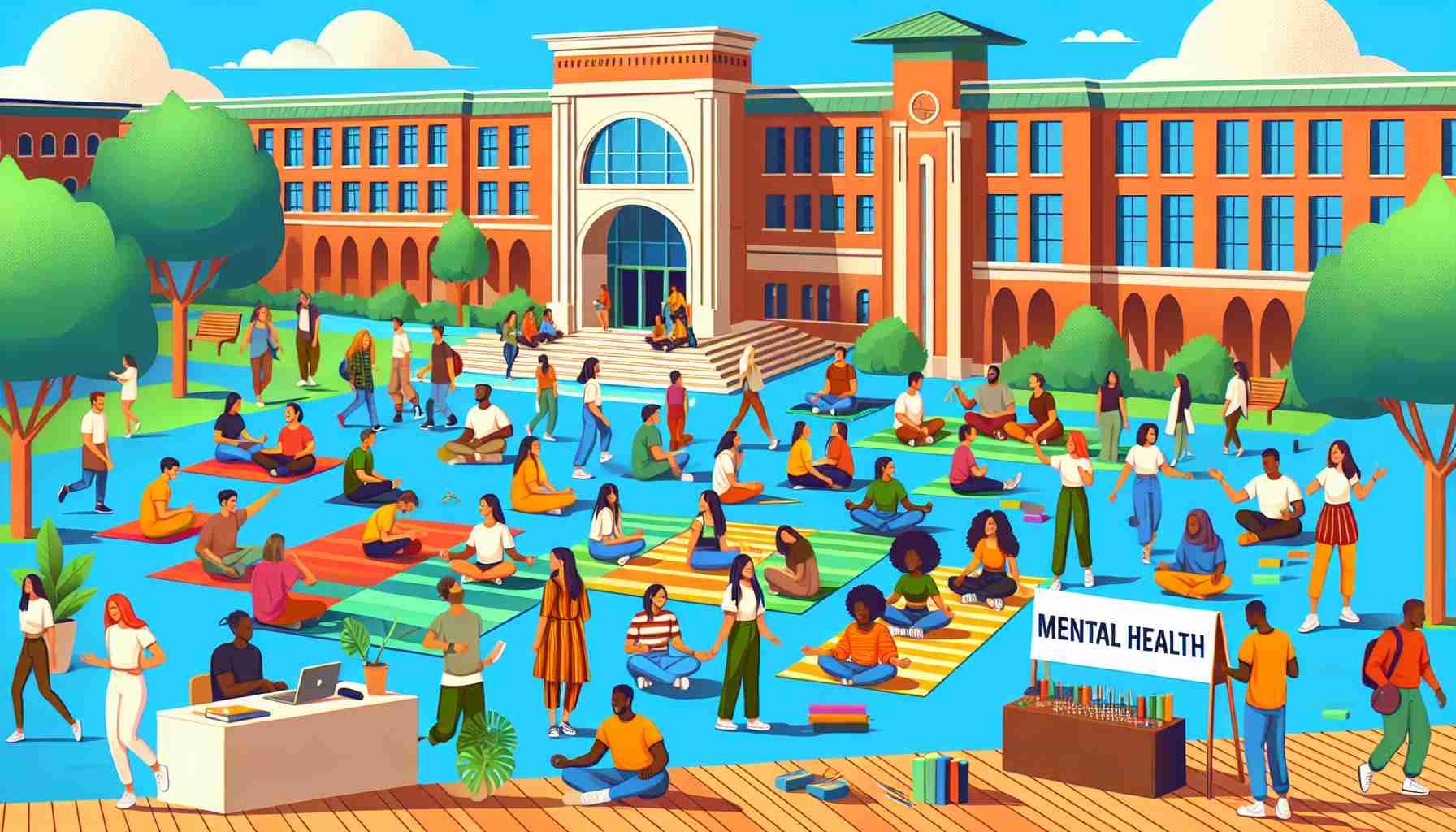
During the Mental Health Day event, students will have the opportunity to engage in various self-care activities that promote mental well-being. These activities not only serve as a means of relaxation but also encourage students to explore different coping strategies. The inclusion of physical activity as a key component of mental health is also noteworthy. Research consistently shows that regular exercise can significantly improve mental and cognitive health, making it an essential aspect of a holistic approach to student wellness. Virginia Tech’s Recreational Sports program offers numerous opportunities for students to engage in physical activities, from fitness challenges to intramural sports, reinforcing the connection between physical health and mental well-being.
Hokie Wellness is committed to empowering students through educational resources and initiatives that address various aspects of well-being, including mindfulness and financial wellness. Workshops and personalized coaching are available to help students navigate the challenges they face, fostering a healthful and purposeful life. As Virginia Tech prepares for World Mental Health Day, the university’s comprehensive approach to mental health resources reflects a deep commitment to supporting students in their academic and personal journeys. By ensuring that students have access to the necessary tools and support systems, Virginia Tech is paving the way for a healthier, more resilient student body.
The Role of Physical Activity and Community Resiliency in Mental Health
The relationship between physical activity and mental health is increasingly recognized as a vital component of student well-being in higher education. Numerous studies have demonstrated that regular exercise can significantly alleviate symptoms of anxiety and depression, which are prevalent among college students. For instance, a recent study published in Frontiers in Psychology found that physical activity not only directly reduces anxiety levels but also interacts with dietary habits and lifestyle choices to enhance mental health outcomes. This research underscores the importance of promoting physical activity as a means to foster resilience and improve overall mental health among students.
Universities can play a crucial role in this endeavor by implementing community resiliency models that integrate physical health, mental health, and social support. The Community Resiliency Model (CRM), for example, provides students with tools to manage stress responses and understand their nervous system’s reactions to stress. By equipping students with these skills, universities can help them develop coping mechanisms that enhance their academic and social experiences. Virginia Tech’s Hokie Wellness program exemplifies this approach by offering a variety of resources, including fitness challenges and intramural sports, which encourage students to engage in physical activity while also providing mental health support through counseling services.
Moreover, the integration of physical activity into the university experience can be further enhanced by drawing on successful examples from other institutions. For instance, the University of Arizona has prioritized mental health and resilience by incorporating movement breaks into academic settings, allowing students to engage in physical activity while fostering a supportive learning environment. This holistic approach not only addresses the immediate mental health needs of students but also promotes long-term well-being by encouraging healthy lifestyle choices.
Research indicates that the benefits of physical activity extend beyond immediate mental health improvements. A study published in JAMA Pediatrics highlights a protective relationship between physical fitness and the risk of developing mental health issues such as anxiety and depression in young people. This “dose-dependent” relationship suggests that as students increase their physical fitness levels, they simultaneously reduce their likelihood of experiencing mental health disorders. Therefore, universities should prioritize the development of targeted physical fitness programs that serve as preventative measures against mental health challenges.
In addition to promoting physical activity, universities can enhance mental health support by fostering a sense of community among students. The Psychological Resilience Dynamic System Model emphasizes the importance of social support in improving mental health outcomes. By creating environments that encourage peer support and collaboration, universities can help students build resilience and cope with the stresses of academic life. Initiatives such as mental health first aid training, as implemented by the University of Denver, equip faculty, staff, and students with the skills to recognize and respond to mental health crises, further strengthening the community’s ability to support one another.
The integration of physical health, mental health, and community support is essential for fostering a holistic approach to student well-being. By prioritizing physical activity and implementing community resiliency models, universities can create environments that not only address the immediate mental health needs of students but also promote long-term resilience and well-being. As institutions continue to navigate the challenges posed by rising mental health issues among students, the importance of a comprehensive approach that encompasses physical, mental, and social dimensions cannot be overstated.
Evaluating Virtual Mental Health Services: TimelyCare and Beyond
The rise of virtual mental health services, such as TimelyCare, marks a significant shift in how mental health support is delivered to college students. This trend has gained momentum, particularly in the wake of the COVID-19 pandemic, which highlighted the urgent need for accessible mental health resources. Studies indicate that online therapy platforms can effectively complement traditional counseling methods, offering unique advantages in terms of accessibility, user experience, and overall outcomes.
One of the most compelling benefits of virtual mental health services is their accessibility. TimelyCare, for instance, provides students with 24/7 access to mental health support, allowing them to seek help at their convenience. This is particularly crucial for college students, who often face demanding schedules and may struggle to find time for in-person appointments. A report from Forbes Health emphasizes that online therapy services can bridge the gap for students who might otherwise avoid seeking help due to logistical challenges or stigma associated with traditional counseling settings. The flexibility of virtual platforms allows students to engage in therapy from the comfort of their own spaces, which can reduce anxiety and encourage more individuals to reach out for support.
User experience is another critical factor where virtual services excel. Feedback from students utilizing TimelyCare has been overwhelmingly positive, with many appreciating the platform’s ease of use and the variety of providers available. The ability to choose from different therapists and communication methods—whether through video calls, phone calls, or messaging—empowers students to find a therapeutic approach that resonates with them. This personalized experience can enhance engagement and satisfaction, leading to better mental health outcomes. Research has shown that when individuals feel comfortable and connected with their therapists, they are more likely to benefit from the therapeutic process.
Moreover, the outcomes associated with virtual mental health services are promising. Data from TimelyCare indicates that 74% of students reported improvements in their mental health after using the platform. This statistic underscores the effectiveness of online therapy in addressing the mental health needs of college students, particularly those who may not have previously engaged with campus counseling services. The ability of virtual platforms to reach students who might otherwise remain isolated or untreated is a significant advantage, as it expands the reach of mental health resources to a broader audience.
The growing trend of telehealth in mental health care also reflects a shift in societal attitudes towards mental health support. As more students become comfortable with the idea of seeking help online, universities are increasingly recognizing the importance of integrating these services into their mental health strategies. Institutions like New Mexico State University (2025 USNews Ranking: 244) have embraced partnerships with platforms like TimelyCare to enhance their mental health offerings, demonstrating a commitment to providing comprehensive care that meets the diverse needs of their student populations.
However, while virtual mental health services present numerous advantages, it is essential to acknowledge that they may not be suitable for everyone. Individuals with severe mental health conditions or those requiring immediate crisis intervention may still benefit more from traditional in-person therapy. Therefore, a hybrid model that combines both virtual and traditional counseling methods may be the most effective approach for universities to adopt. This model can ensure that all students have access to the appropriate level of care, tailored to their specific needs.
In conclusion, the effectiveness of virtual mental health services like TimelyCare compared to traditional counseling methods highlights a transformative shift in mental health care delivery for college students. The accessibility, positive user experience, and favorable outcomes associated with online therapy platforms suggest that they can play a vital role in supporting student mental health. As universities continue to adapt to the evolving landscape of mental health care, the integration of virtual services alongside traditional methods will be crucial in fostering a supportive environment for all students.
Best Practices for Promoting Mental Health Awareness on College Campuses
Universities play a crucial role in promoting mental health awareness and support among students, particularly in light of the increasing mental health challenges faced by young adults today. Institutions like the University of Denver and the NCAA have implemented effective initiatives that serve as models for best practices in this area.
One notable initiative is the Mental Health First Aid (MHFA) training program at the University of Denver. This program equips faculty, staff, and students with the skills to recognize and respond to mental health crises. The training covers essential topics such as identifying mental health challenges, understanding the stigma surrounding mental health, and providing appropriate support in crisis situations. By fostering a “community of care,” the university aims to reduce stigma and improve outcomes for those in need. This proactive approach not only empowers individuals to assist their peers but also cultivates an environment where mental health discussions are normalized.
Similarly, the NCAA has prioritized mental health for student-athletes by releasing updated Mental Health Best Practices. These guidelines emphasize creating supportive environments, implementing mental health screening procedures, and establishing referral pathways to qualified providers. The NCAA’s commitment to mental health is further demonstrated through its requirement for Division I schools to attest to their compliance with these best practices, ensuring that mental health resources are accessible and effective across member institutions.
In addition to training and guidelines, universities can enhance mental health support by integrating community resiliency models into their programs. These models focus on building resilience among students by providing them with tools to manage stress and cope with challenges. For instance, the Community Resiliency Model (CRM) offers students skills to understand their stress responses and develop coping strategies. By incorporating such frameworks into the curriculum and campus activities, universities can empower students to take charge of their mental health.
Furthermore, universities should consider the role of physical activity in promoting mental well-being. Research indicates that regular exercise can significantly reduce anxiety and improve overall mental health. Institutions can facilitate this by providing diverse opportunities for physical engagement, such as fitness classes, intramural sports, and wellness challenges. Encouraging a culture of physical activity not only benefits mental health but also fosters social connections among students.
To create supportive environments that prioritize mental health, universities should also focus on accessibility and inclusivity in their mental health services. This includes offering virtual counseling options, like those provided by TimelyCare, which have proven effective in reaching students who may not seek help through traditional channels. By ensuring that mental health resources are available and tailored to the diverse needs of the student population, universities can better support their students’ well-being.
In conclusion, by adopting comprehensive mental health initiatives, integrating community resiliency models, promoting physical activity, and ensuring accessibility to mental health resources, universities can create environments that prioritize student mental health and well-being. These best practices not only address the immediate needs of students but also foster a culture of support and resilience that can have lasting positive effects on their academic and personal lives.
Reference:
Virginia Tech Highlights Mental Health Resources for Students Ahead of World Mental Health Day
Challenges and Considerations in School-Based Mental Health Initiatives
The Hummingbird Project: A Positive Psychology Intervention for Secondary School Students
Best Online Therapy Services: Tested In 2024 – Forbes Health
NMSU Expands Mental Health Resources Through TimelyCare
The Impact of Physical Activity on Anxiety in College Students: Mediating Roles of Lifestyle and Dietary Habits
Physical Fitness Linked to Better Mental Health in Young People
Professor Prioritizes Mental Health and Resilience for Students at the University of Arizona
Psychological Health Status of Chinese University Students: Insights from the Psychological Resilience Dynamic System Model
NCAA Prioritizes Mental Health for Student-Athletes in 2023-24
University of Denver Implements Mental Health First Aid Training for Community