
Introduction: The Importance of Undergraduate Research
Undergraduate research is a cornerstone of the academic experience in U.S. universities, serving as a powerful catalyst for innovation and critical thinking. It empowers students to dive deep into their fields of study, fostering a sense of curiosity that extends far beyond the classroom. Engaging in research not only enhances their academic prowess but also equips them with vital skills that are essential in today’s competitive job market. From analytical thinking to effective communication, these experiences prepare students for a myriad of career paths, giving them a significant edge when entering the workforce.
At Ohio State University (2025 USNews Ranking: 41) , the commitment to nurturing undergraduate research is palpable. The university boasts a plethora of research initiatives that span across disciplines, encouraging students to explore their interests and contribute to meaningful discoveries. Programs like the Denman Undergraduate Research Forum exemplify this commitment, offering a vibrant platform for students to showcase their work. This annual event brings together a diverse array of research projects, highlighting the innovative spirit that thrives within the student body.
The Denman Forum, in particular, is a celebration of creativity and academic achievement, where students present their findings to peers, faculty, and the community. It’s not just about sharing research; it’s about building confidence and honing presentation skills that are crucial for future endeavors. The forum emphasizes the importance of interdisciplinary collaboration, showcasing how students from various fields can come together to address pressing societal issues.
Institutions across the nation are recognizing the significance of undergraduate research, with many implementing initiatives that mirror those at Ohio State. For instance, universities like Morehead State and Utah State are also fostering environments where students can engage in research that not only enriches their educational experience but also has a tangible impact on their communities. By participating in research projects, students gain firsthand experience in addressing real-world challenges, further solidifying the link between academic inquiry and practical application.
As we delve deeper into the specifics of the Denman Forum and explore individual student projects, we’ll see how these research initiatives are not only shaping the academic landscape but also empowering students to become proactive contributors to their communities. The stories of students like Malicki Diallo and Amalia Rodriguez-Giusti illustrate the profound impact of undergraduate research on both personal growth and societal advancement, setting the stage for an exciting discussion on the future of research in higher education.
Showcasing Innovation: The Denman Undergraduate Research Forum
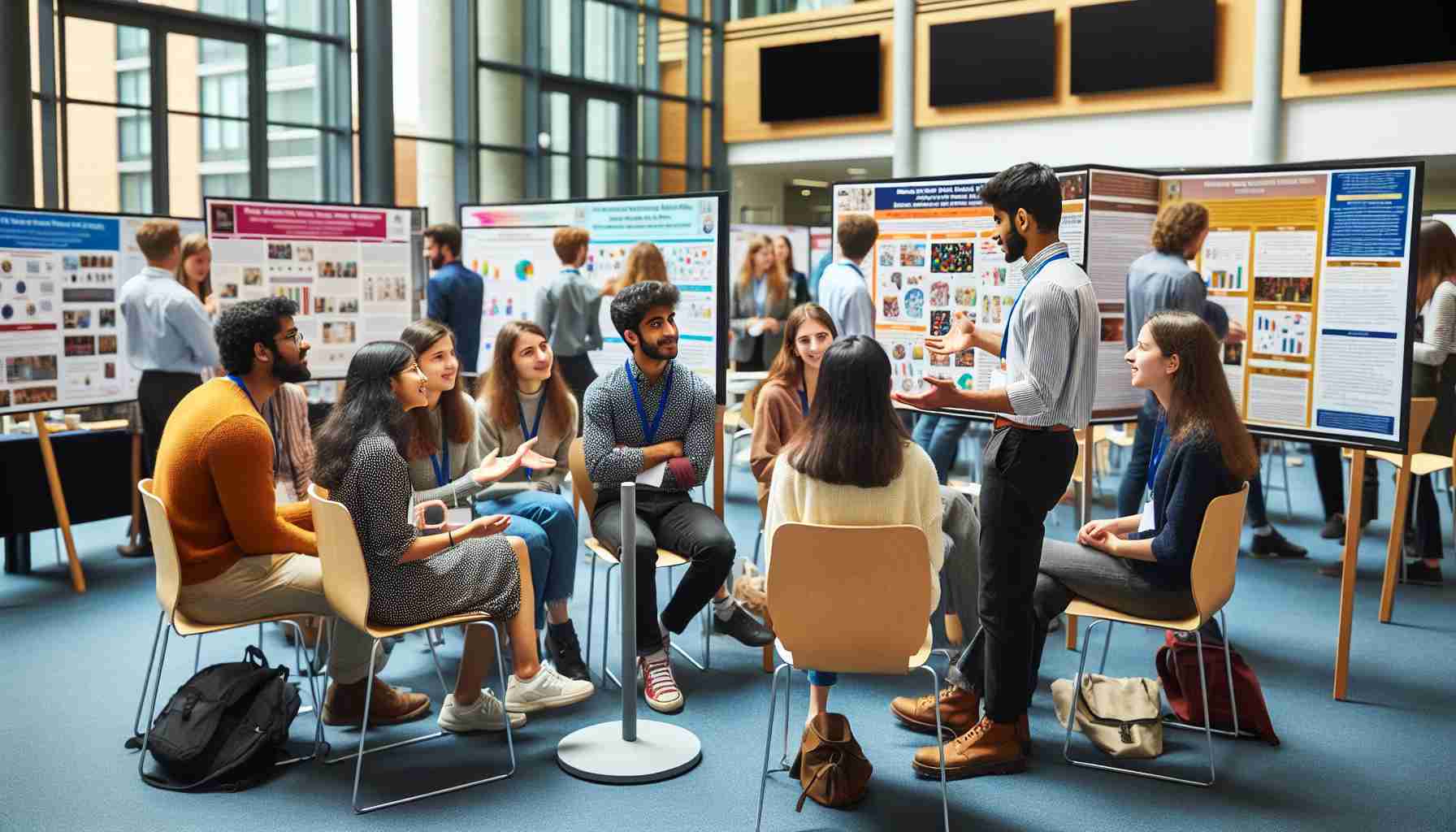
At the 30th annual Richard J. and Martha D. Denman Undergraduate Research Forum, the vibrant tapestry of student innovation was on full display, showcasing a remarkable array of projects that not only reflect individual academic pursuits but also resonate with broader societal issues. Each presentation was a testament to the power of interdisciplinary research, where students from various fields converged to tackle pressing challenges, demonstrating their commitment to driving change within their communities.
One standout project came from Malicki Diallo, a biomedical engineering major whose personal journey fueled his research on biomechanics and injury prevention. Having personally experienced the setbacks of sports injuries during his high school cross-country career, Diallo’s work centers on understanding how footwear and running techniques influence injury risk. His research aims to develop accessible medical equipment that can assist individuals in assessing their injury risk, particularly targeting older adults and those with neurological disorders. This initiative is not just about preventing injuries; it’s about enhancing overall balance stability and quality of life. Diallo’s ambition to continue his studies at the graduate level showcases his dedication to applying his findings in real-world settings, ultimately striving to make sports safer for everyone.
Equally compelling was the research presented by Amalia Rodriguez-Giusti, who, alongside her colleagues Yvonne Gong and Natasha Slesnick, tackled the urgent issue of mental health among runaway adolescents. Rodriguez-Giusti, a human development and family science major, highlighted a staggering statistic: approximately 3.1 million adolescents face depressive symptoms annually, often exacerbated by unstable living conditions. Their project proposed innovative therapeutic strategies that engage both adolescents and their guardians, aiming to improve family dynamics and mental health outcomes. By addressing these critical issues, Rodriguez-Giusti and her team are not only raising awareness but also fostering healthier lifestyles among vulnerable populations. Their work underscores the importance of mental health interventions that are tailored to the unique challenges faced by adolescents today.
Then there was Maddison McMaken, a business major whose project, “Green Roots Market,” aims to combat food insecurity in the Franklinton neighborhood of Columbus. McMaken’s initiative is not just about providing fresh produce; it’s about building a sustainable community. By implementing hydroponic systems, the project envisions a multifunctional space that includes a café and outdoor growing areas, all while empowering local residents through education about gardening and sustainability practices. This holistic approach not only addresses immediate food needs but also fosters self-sufficiency and community engagement, illustrating how entrepreneurial spirit can intersect with social responsibility.
The Denman Forum serves as a vital platform for these innovative ideas, allowing students to gain experience in presenting their research while also engaging with the community. Ohio State University President Walter “Ted” Carter Jr. emphasized this during his welcoming remarks, noting that the forum exemplifies the university’s mission to cultivate thoughtful and capable leaders across all fields of study. The enthusiasm of the participants was palpable, reflecting their shared commitment to addressing real-world issues through their research.
These projects highlight the critical role of undergraduate research in shaping not just the academic landscape but also the social fabric of communities. By empowering students to explore their interests and apply their findings to societal challenges, institutions like Ohio State are fostering a generation of proactive contributors who are ready to tackle the complexities of the modern world. The interdisciplinary nature of the research showcased at the Denman Forum exemplifies how collaboration can lead to innovative solutions that resonate far beyond the walls of academia.
As we reflect on the diverse range of projects presented, it becomes clear that undergraduate research is not merely an academic exercise; it is a powerful vehicle for change. The stories of Diallo, Rodriguez-Giusti, and McMaken are just a few examples of how students are harnessing their education to make a meaningful impact. Their work not only enriches their own academic journeys but also contributes to the greater good, inspiring their peers and communities alike. The Denman Forum stands as a beacon of this spirit, celebrating the creativity and determination of students who are poised to lead us into a brighter future.
The Broader Impact of Undergraduate Research on Career Development
Undergraduate research experiences are not just a rite of passage; they are transformative journeys that significantly shape students’ career trajectories. Engaging in research equips students with a plethora of skills that are vital in today’s job market—think analytical thinking, problem-solving, and effective communication. These experiences also open doors to networking opportunities, allowing students to connect with faculty, industry professionals, and peers who share their interests. The ripple effects of such connections can be profound, often leading to internships, job offers, and collaborations that extend well beyond graduation.
Take, for instance, Morehead State University, where the annual Posters-at-the-Capitol event provides a unique platform for students to present their research to state legislators. This initiative not only showcases the students’ hard work but also fosters vital connections between academia and policy-making. Chase Morgan, a computer engineering major, represented MSU at this prestigious event, sharing insights from his research on electrical energy harvesting. The experience was not just an academic exercise for him; it was a chance to engage with lawmakers and advocate for the importance of research in driving innovation and addressing societal challenges. Alexis Mathews, the coordinator of undergraduate research at MSU, expressed pride in the students’ work, noting that such platforms elevate their academic journeys and enhance their employability.
Similarly, Utah State University (USU) has long championed the cause of undergraduate research through its celebrated program, which is now marking its 50th anniversary. This program emphasizes high-impact learning experiences, where students collaborate with faculty and graduate mentors on research projects that span a diverse range of disciplines. Sara Goeking, a USU alumna and accomplished researcher, shared her journey as a first-generation college student who found direction and inspiration through her research project. Her experience illustrates how undergraduate research can ignite passion and provide a clear pathway toward a fulfilling career. Goeking’s story is a testament to the power of mentorship and the transformative impact of engaging in research that resonates with students’ personal experiences and aspirations.
The skills developed through these research experiences are highly sought after by employers across various industries. For instance, students who engage in research learn to articulate their findings effectively, a skill that is crucial for navigating the complexities of the modern job market. The ability to collaborate with peers from diverse backgrounds also fosters a sense of teamwork, preparing students for the collaborative environments they will encounter in their careers. These experiences help students cultivate resilience and adaptability, qualities that are increasingly important in an ever-evolving workplace.
Moreover, the personal growth that accompanies undergraduate research is often just as significant as the professional development. Students frequently report increased confidence and a sense of belonging within the academic community. They learn to navigate challenges, embrace failure as a learning opportunity, and develop a growth mindset that will serve them well in their future endeavors. This holistic development is evident in the testimonials of students and faculty alike, who emphasize the profound impact of research experiences on their lives.
At Iowa State University, for example, students recognized for their undergraduate research achievements through the LAS Dean’s High Impact Award reflect on how their projects have shaped their academic and career aspirations. Jenifer Andrade-Hernandez, a psychology major, is exploring the influence of narratives on readers, aiming to become a school psychologist. Her mentorship experience has been instrumental in guiding her through both her research and future academic pursuits. Similarly, Elizabeth Quam, a biochemistry student, is conducting groundbreaking research that could revolutionize cancer treatment. Her journey illustrates how undergraduate research not only contributes to academic knowledge but also empowers students to make meaningful contributions to society.
These experiences underscore the critical role of undergraduate research in shaping not just individual careers but also the future landscape of various fields. By fostering an environment where students can engage in meaningful research, universities like Ohio State, Morehead State, and Utah State are cultivating a generation of innovative thinkers and problem solvers. These students are not just passive recipients of knowledge; they are active participants in the pursuit of solutions to pressing challenges, ready to step into their roles as leaders in their respective fields.
As we look ahead, the commitment to undergraduate research must continue to grow. Universities should prioritize funding and resources for these initiatives, ensuring that all students have access to research opportunities that align with their passions and career goals. The collaborative spirit fostered through undergraduate research can lead to groundbreaking discoveries and innovative solutions that benefit society as a whole. By investing in these programs, institutions are not only enhancing the educational experience but also preparing the next generation of leaders who will shape the future.
Innovative Approaches to Addressing Food Insecurity through Research
At the forefront of addressing food insecurity in college settings are initiatives that not only provide immediate relief but also educate students on the systemic issues surrounding food access. The University of Minnesota Morris and the NYC Food Policy Center are shining examples of how innovative research projects can tackle this pressing concern while fostering community engagement and cultural relevance.
The University of Minnesota Morris has launched the Food Justice Initiative, a comprehensive program aimed at addressing food insecurity among its diverse student population. With alarming statistics revealing that one in four college students in Minnesota faces food insecurity, this initiative seeks to provide access to healthy, culturally relevant foods while also educating students about food preparation and the systemic inequities embedded within food systems. Clement Loo, an Assistant Professor of Environmental Studies, emphasizes the importance of empowering students as advocates for food justice, particularly in a rural campus environment where transportation and financial constraints can limit access to nutritious options.
What sets this initiative apart is its commitment to cultural relevance. Founded on the site of a former Native American boarding school, the University of Minnesota Morris has a significant Native American student population. The Food Justice Initiative recognizes the importance of traditional foodways, integrating Indigenous perspectives into its programming. Liz Thomson, the Interim Associate Vice Chancellor for Diversity, Equity, and Inclusion, highlights the necessity of providing consistent access to culturally relevant foods, which not only addresses immediate hunger but also reinforces students’ cultural identities. This approach has led to the establishment of food shelves and food recovery programs that offer not just general food items, but also traditional Indigenous foods, creating a more inclusive and supportive environment for all students.
Moreover, the initiative has seen a positive shift in how students perceive food assistance. By destigmatizing the use of food resources and transforming them into a positive experience, the Food Justice Initiative has encouraged students to openly discuss their experiences and engage with the program. Student worker educators play a pivotal role in managing food recovery activities and food shelves, gaining valuable skills in data collection and analysis while contributing to the overall success of the initiative. This hands-on experience not only enhances their academic journey but also prepares them for future careers in the growing field of food justice.
In New York City, the NYC Food Policy Center at Hunter College is tackling food insecurity among college students through innovative solutions that address both immediate needs and long-term systemic changes. With studies indicating that between 19% and 56% of college students face food insecurity, the Center emphasizes the urgent need for comprehensive strategies. Their approach includes establishing campus food pantries, meal-sharing programs, and partnerships with local businesses and nonprofits to provide fresh produce and discounted meals for students. These initiatives not only alleviate immediate hunger but also create a network of support that fosters community engagement.
One of the standout proposals from the NYC Food Policy Center is the Smart Pantry Pilot Program, a collaboration with Share Meals (SM). This initiative aims to leverage technology to enhance food access on campuses, creating a more efficient system for connecting students with available resources. By utilizing data analytics to monitor food inventory and assess student needs, the program seeks to optimize resource allocation, ensuring that those in need can access nutritious food without barriers.
Both the University of Minnesota Morris and the NYC Food Policy Center exemplify the critical role of community engagement in addressing food insecurity. By involving students in the design and implementation of these initiatives, these programs foster a sense of ownership and empowerment among participants. This collaborative approach not only enhances the effectiveness of the programs but also prepares students to become advocates for food justice in their own communities.
The importance of culturally relevant food access cannot be overstated, especially in diverse student populations. By recognizing and honoring the unique cultural backgrounds of students, initiatives like the Food Justice Initiative and the NYC Food Policy Center are paving the way for a more equitable food system. These programs not only address immediate food needs but also educate students about the systemic issues that contribute to food insecurity, fostering a generation of informed advocates who are equipped to drive change.
In conclusion, the innovative research projects at the University of Minnesota Morris and the NYC Food Policy Center highlight the multifaceted approach needed to combat food insecurity in college settings. By combining immediate relief efforts with education and community engagement, these initiatives are not just alleviating hunger; they are empowering students to understand and address the complexities of food systems. As we continue to explore solutions to food insecurity, it is crucial that universities prioritize culturally relevant food access and foster student involvement in these initiatives, ensuring that all students can thrive both academically and personally.
Conclusion: The Future of Undergraduate Research and Community Engagement
As we wrap up this exploration of undergraduate research and its profound implications, it’s essential to reflect on the vital role these initiatives play in fostering a culture of innovation and community engagement within educational institutions. The narratives of students like Malicki Diallo, Amalia Rodriguez-Giusti, and Maddison McMaken serve as powerful reminders of how research can transcend the classroom, addressing real-world issues and contributing to societal progress.
The Denman Forum at Ohio State University exemplifies this ethos, showcasing not just academic excellence but also the commitment of students to engage with pressing challenges. These projects illuminate the potential for interdisciplinary collaboration, where diverse perspectives converge to create innovative solutions. The impact of such research extends beyond individual achievements; it cultivates a sense of responsibility and agency among students, empowering them to become proactive contributors to their communities.
Looking ahead, the future of undergraduate research initiatives must be a priority for universities across the nation. Continued investment in research programs and community partnerships is essential for developing well-rounded educational experiences. By embracing interdisciplinary approaches and supporting student-led research efforts, institutions can enhance the educational landscape, preparing students not only for successful careers but also for meaningful civic engagement.
Moreover, as we see through the Food Justice Initiative at the University of Minnesota Morris and the NYC Food Policy Center’s innovative strategies, addressing complex issues like food insecurity requires a collective effort. Engaging students in these initiatives fosters a deeper understanding of systemic challenges while equipping them with the tools to advocate for change. This holistic approach not only alleviates immediate needs but also cultivates a generation of informed citizens who are ready to tackle the societal issues of tomorrow.
In essence, the commitment to undergraduate research is not merely an academic endeavor; it is a transformative journey that shapes the leaders of the future. By fostering environments that encourage exploration, collaboration, and community engagement, universities can inspire students to harness their knowledge and skills for the greater good. As we champion these initiatives, let’s continue to advocate for a future where research and community engagement are integral components of the educational experience, paving the way for a more innovative and equitable society.
Reference:
- Ohio State Undergraduate Students Showcase Innovative Research at Denman Forum
- Eagle Students Showcase Research at Posters-at-the-Capitol
- The Impact of Undergraduate Research at Utah State University
- Iowa State University Students Make Strides in Undergraduate Research
- Innovative Initiative Tackles Food Insecurity Among College Students in Minnesota
- Addressing College Food Insecurity: The Urgent Need for Innovative Solutions
- Advancing Biomechanics: Enhancing Sports Performance and Injury Prevention
- Preventing Reinjury: How Neuroplasticity and Biomechanics are Transforming Injury Recovery
- Adolescent Mental Health: A Global Concern
- Positive Impact of Physical Activity on Adolescent Mental Health: A Narrative Review
- Adolescents’ Perspectives on a Whole-School Mental Health Intervention: Insights from a Qualitative Study
- Ohio University Zanesville Dean Hannah Nissen to Retire Following Years of Academic Service
- Empowering Civic Engagement Through Education at the University of Maryland