
Introduction: The Significance of Graduate Program Rankings
The annual release of the U.S. News & World Report’s “Best Graduate Schools” rankings is a highly anticipated event, one that sends ripples throughout the higher education community. These rankings, for better or worse, significantly influence prospective students, faculty, and the overall reputation of institutions. This year’s edition, released on April 8, 2025, showcases Johns Hopkins University‘s continued prominence, with a remarkable 37 graduate programs, academic departments, and specialized areas securing spots within the nation’s top 10 – eight of which proudly claim the coveted No. 1 position.
Leading the charge are the Bloomberg School of Public Health and the School of Nursing, both rightfully holding the No. 1 overall ranking. The university’s collaborative biomedical engineering graduate program, jointly managed by the Schools of Engineering and Medicine, has also earned the top spot. It’s a testament to Johns Hopkins’ commitment to excellence across a diverse range of disciplines.
However, let’s be honest, the world of university rankings is never without its complexities and controversies. It’s worth noting that U.S. News updates graduate rankings annually for select areas, republishing the most recent rankings in others. The updated rankings for Johns Hopkins this year encompass education, engineering, nursing, public affairs, public health, and social sciences/humanities. But here’s where things get interesting: the School of Medicine made the bold decision to cease participation in U.S. News & World Report’s Best Medical Schools rankings back in 2023. Why? Because of serious methodological concerns. Are we seriously okay with this? This withdrawal has undoubtedly had an impact, leaving JHU unranked in that particular area.
The Bloomberg School of Public Health, a consistent leader, has maintained its No. 1 ranking since 1994. Frankly, that’s an impressive streak! It also boasts top rankings in all five public health specialty areas: Environmental Health Sciences, Epidemiology, Health Policy and Management, Social and Behavioral Sciences, and Biostatistics. The Master of Health Administration program also climbed to the No. 3 spot. The School of Nursing’s DNP program continues its reign, securing the No. 1 ranking for the fourth consecutive year. Meanwhile, the Whiting School of Engineering also saw improvement, tying at No. 13 overall, with its Biomedical Engineering program maintaining its No. 1 position.
Your sharp-tongued editor believes this warrants a closer look, don’t you think?
A Detailed Look at Johns Hopkins’ Top-Ranked Programs
So, what makes these programs so damn good? Let’s dissect it, shall we?
The Bloomberg School of Public Health’s sustained success is no accident. Dean Ellen J. MacKenzie acknowledged the recognition, emphasizing the importance of their work and commitment to educating future public health leaders, especially during these times of difficulty and change. Frankly, their secret sauce seems to be a combination of renowned faculty, cutting-edge research opportunities, and a program structure that fosters innovation. They’ve not only maintained their overall dominance but also excelled in every single public health specialty area, from Environmental Health Sciences to Biostatistics. The fact that their Master of Health Administration program is now ranked No. 3 only underscores their dedication to providing a comprehensive and top-tier public health education. It seems their unwavering commitment to their mission is paying off, wouldn’t you agree?
Now, turning our attention to the School of Nursing, their DNP program’s four-year reign at No. 1 speaks volumes. But it’s not just the DNP program; their specialty rankings, including Gerontology, Family Nurse Practitioner, and Psychiatric/Mental Health, demonstrate expertise across the board. What’s driving this? It’s the faculty expertise, the focus on practical, real-world application of knowledge, and a curriculum designed to meet the evolving needs of the healthcare industry. The Frances Payne Bolton School of Nursing’s master’s program at Case Western Reserve University (2025 USNews Ranking: 51) slipped to #20 from #17. But its Doctor of Nursing Practice (DNP) program rose to #14 from #17, with DNP Leadership debuting at #6 and Family Nurse Practitioner improving to #11 from #12, so it’s clear that rankings are simply one viewpoint and can shift annually.
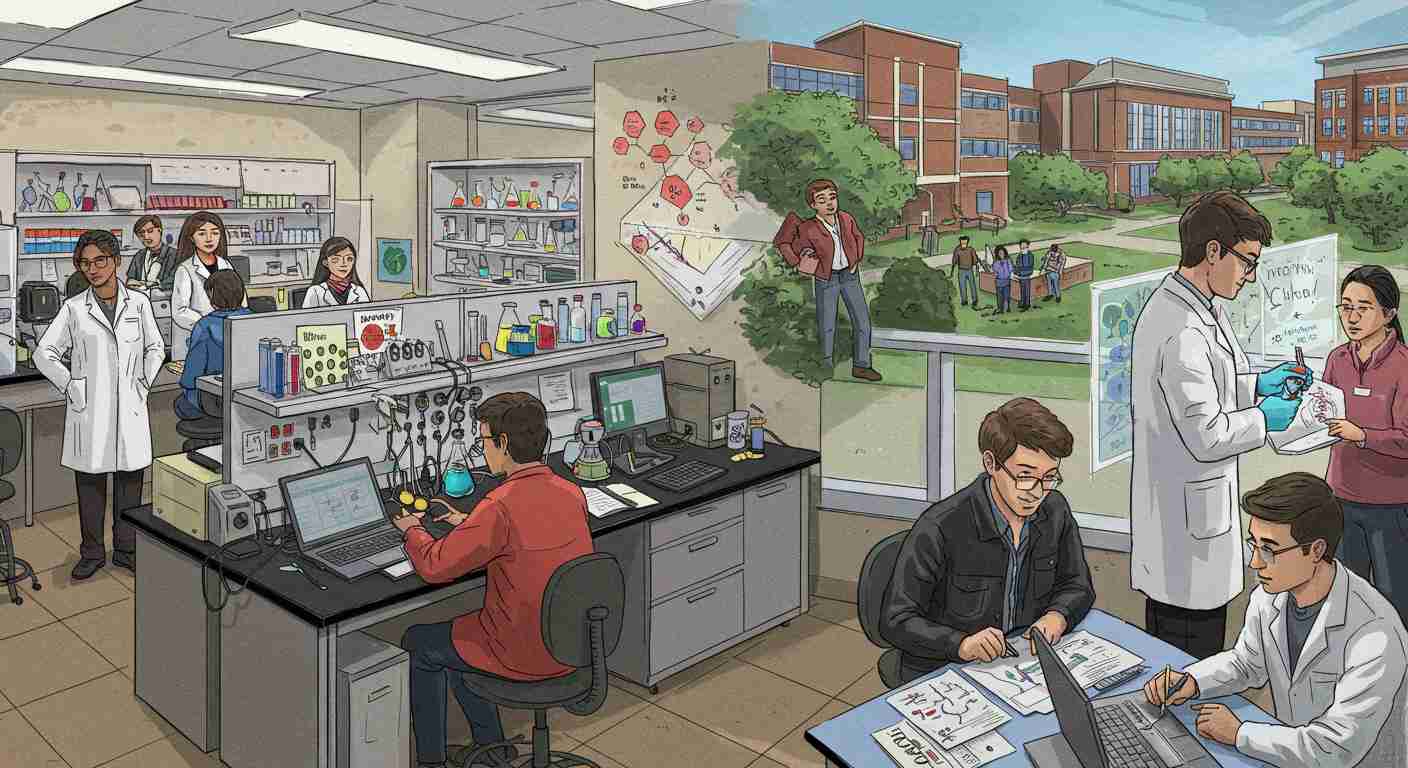
And then there’s the Whiting School of Engineering, where the Biomedical Engineering program continues to hold its own at No. 1. The Whiting School of Engineering saw an improvement, tying at No. 13 overall. Other specialty rankings include Mechanical Engineering at No. 10 (tied), Environmental / Health Engineering at No. 15 (tied), and several others in the top 30. The joint administration by the Schools of Engineering and Medicine gives students access to resources and expertise from both fields, creating a fertile ground for groundbreaking research and innovation. This interdisciplinary approach is crucial in today’s world, where complex problems require collaborative solutions. But are they doing enough to prepare graduates for the rapidly evolving job market? Do they need to focus more on entrepreneurial skills? These are questions worth asking.
But let’s not forget the other JHU programs that deserve recognition. The English program is tied at No. 8, with specialties in Literary Criticism and Theory, 18th through 20th Century British Literature, and American Literature after 1865. The History program comes in at No. 10, Economics at No. 21, Political Science at No. 41, Psychology at No. 14, and Sociology at No. 24. Additionally, programs in Biology, Chemistry, Geology, Mathematics, and Physics are all recognized for their strengths, with multiple specialty rankings within the top tiers. This breadth of excellence across diverse disciplines is a hallmark of Johns Hopkins, and it’s something to be proud of.
What impact do these rankings have? Well, they undoubtedly influence student recruitment. High rankings attract top talent, both nationally and internationally. They also play a role in faculty retention. Renowned faculty members want to be associated with top-ranked programs, and these rankings provide a valuable signal of prestige. And, of course, program funding is often tied to rankings, with higher-ranked programs attracting more research grants and philanthropic donations. But let’s be real: are we focusing too much on these rankings and not enough on the actual quality of education and the well-being of our students?
The Controversy Surrounding University Rankings: A Critical Analysis
Now, let’s pull back the curtain and examine the elephant in the room: the rankings themselves. Are they truly a reliable measure of a graduate program’s worth? Or are they, as some suggest, a flawed and potentially harmful system?
Johns Hopkins School of Medicine’s decision to withdraw from the U.S. News & World Report rankings speaks volumes. Interim Dean Theodore DeWeese made it clear that the rankings simply fail to capture the nuances that differentiate medical schools. He argued that they don’t adequately assess Johns Hopkins’ mission to enroll diverse, academically outstanding students who are driven to become healers and leaders in medicine and biomedical science. Are we seriously okay with a ranking system that prioritizes metrics that don’t reflect the true values of a medical education?
The School of Medicine isn’t alone in its skepticism. Other institutions, like Harvard, Yale, and Stanford, have also voiced concerns about the ranking system’s methodology and its potential to distort institutional priorities. The University of Iowa also reported that significant changes have been implemented in the U.S. News ranking methodology in recent years, following concerns from top law and medical schools about the reliance on reputation and potentially biased metrics. For example, the reputation assessment was removed from the med school rankings last year and maintained this year. A common criticism is the overemphasis on standardized test scores and research funding, which incentivizes schools to focus scholarship aid on high-scoring students, often those with existing financial means, diverting aid from those who need it more. Face the truth: this perpetuates inequality and undermines efforts to create a more diverse and inclusive academic environment.
But it’s not just about the metrics themselves; it’s also about the potential biases embedded within the methodology. Peer assessments, for example, account for a significant portion of the rankings. Are these assessments truly objective, or are they influenced by reputation and subjective perceptions? The Johns Hopkins News-Letter points out flaws in the U.S. News methodology, including the heavy weighting of peer assessments (20%) compared to factors like Pell grant recipients’ graduation rates (5.5%) and student-faculty ratios (3%). The vague 1-5 scale used for peer assessments and the low response rate (30.7%) further undermine the credibility of these evaluations. Furthermore, the weighting of various factors can incentivize universities to prioritize certain aspects of their programs at the expense of others. Are we seriously okay with institutions chasing rankings by, say, boosting research output while neglecting teaching quality or student support services?
And let’s not forget the potential conflict of interest. U.S. News profits handsomely from selling ranking badges to universities. This creates a clear incentive for institutions to prioritize their ranking in order to attract prospective students and boost their revenue. Frankly, it’s a system that rewards conformity and can stifle innovation. Why should universities invest in unique programs or initiatives if they don’t align with the metrics used by U.S. News?
The perverse consequences of these rankings extend beyond institutional priorities. They can also impact student choices, steering them towards programs that are highly ranked but may not be the best fit for their individual needs and aspirations. Are we seriously okay with students making life-altering decisions based on a flawed and potentially biased ranking system? The truth is, a university’s true value lies in its ability to foster intellectual curiosity, promote critical thinking, and prepare students for successful and fulfilling careers. These are qualities that simply cannot be captured by a single number.
Beyond Rankings: Alternative Measures of Program Quality and Student Success
Your sharp-tongued editor is here to tell you that it’s time to stop obsessing over these damn rankings and start focusing on what truly matters. It’s about time we shift the focus from arbitrary metrics to genuine measures of program quality and student success. Face the truth: a university’s worth isn’t determined by its position on a list.
So, what should we be looking at instead? Factors like faculty-student relationships, research opportunities, career outcomes, and the overall learning environment should be at the forefront. Penn State, for example, has made significant strides in fostering innovation and entrepreneurship through its Invent Penn State initiative. This program spans 23 locations and fosters collaboration among students, alumni, corporate partners, and community innovators, accelerating the development of ideas and driving economic growth. Are we seriously okay with ignoring such initiatives in favor of standardized test scores? Penn State is recognized as a top college for first-generation students, with 25% of its undergraduates falling into this category, and has over 17,400 Pell Grant recipients. Shouldn’t we be highlighting universities like this?
Wayne State University‘s focus on social mobility is another shining example. According to the 2025 U.S. News & World Report Best Colleges rankings, Wayne State’s performance is particularly strong in social mobility, where it ranks No. 62, marking an 89-spot increase, or 59%, from last year. This places Wayne State in the top 14% of national institutions for social mobility and positions it as a leader in Michigan. President Kimberly Andrews Espy, Ph.D., emphasized the university’s commitment to accelerating mobility for students through an accessible and innovative learning environment that prepares them for academic and career success. It’s clear that their commitment to providing opportunities for students from all backgrounds is paying off. Frankly, that’s a far more meaningful accomplishment than climbing a few spots in a ranking.
UC Riverside also stands out for its commitment to social mobility, holding the No. 1 position in the U.S. in this area, according to U.S. News & World Report. This recognition reflects the university’s dedication to providing access to higher education for students from disadvantaged backgrounds and supporting their success.
And let’s not forget about career outcomes. While rankings often focus on research output, they often overlook the importance of preparing graduates for successful careers. We need to prioritize initiatives that connect students with industry partners, provide internships and mentorship opportunities, and equip them with the skills they need to thrive in the workforce. It should be about giving students the tools to succeed after graduation, not just attracting the highest-scoring applicants.
In the field of public health, the Association of Schools and Programs of Public Health is leading an initiative called Framing the Future: Public Health 2030, which aims to streamline and elevate the education and training of graduate students in the U.S. to effectively meet the evolving needs of the field. This initiative focuses on equitable, quality education to create relevant and inclusive learning environments attuned to the real-world needs of communities worldwide. It advocates for education competencies that equip students to address modern society’s pressing health needs, incorporating insights from field experts and reflecting core themes such as health equity, sustainability, and community resilience. This initiative clearly is about equipping students with the skills to address real-world issues.
Frankly, it’s time for a paradigm shift. Let’s measure universities by the impact they have on their students, their communities, and the world. Let’s prioritize social mobility, innovation, and career outcomes. Let’s face the truth: the future of higher education depends on it.
The Future of Graduate Education at Johns Hopkins: Adapting to a Changing Landscape
So, what does all this mean for the future of graduate education at Johns Hopkins? The landscape is shifting, and the university must adapt to maintain its leadership position. It’s not just about chasing rankings; it’s about leveraging its strengths and addressing the challenges head-on.
Innovation is key. Johns Hopkins needs to continue fostering a culture of creativity and experimentation, encouraging interdisciplinary collaboration and supporting groundbreaking research. The Bloomberg School of Public Health’s new South Building, with its dynamic workspaces and community engagement spaces, is a step in the right direction. Dean Ellen J. MacKenzie has emphasized the need for innovative thinking and strong partnerships to tackle complex public health issues. Are we seriously doing enough to foster more partnerships like this?
Furthermore, the rise of artificial intelligence presents both opportunities and challenges for graduate education. An article in Frontiers in Public Health highlights AI’s potential to revolutionize public health education through personalized learning experiences, data analysis, and interactive training simulations. But it also cautions about the risks of data bias, privacy concerns, and the need for ethical guidelines. Johns Hopkins must embrace AI while mitigating these risks, ensuring that it enhances, rather than undermines, the quality of education. Are we ready to integrate these new technologies and maintain the human element of teaching?
Collaboration is also essential. Johns Hopkins should strengthen its partnerships with other institutions, industry leaders, and community organizations. The biomedical engineering program’s joint administration by the Schools of Engineering and Medicine is a model for interdisciplinary collaboration. This type of collaboration should be expanded to other areas, fostering a culture of shared knowledge and innovation. Are we doing enough to engage with the community outside the university walls?
Community engagement is another crucial element. Johns Hopkins has a responsibility to use its resources and expertise to address the challenges facing its surrounding community. The Bloomberg School of Public Health’s SOURCE program, which partners with over 100 Baltimore community-based organizations, is a valuable model. The School should be expanded and replicated in other areas, ensuring that Johns Hopkins is a true partner in the revitalization of its city. Frankly, that’s the way we begin to measure success.
Finally, let’s talk about career outcomes. A graduate education should prepare students for successful careers, whether in academia, industry, or public service. Johns Hopkins should invest in career counseling, mentorship programs, and networking opportunities to help its graduates find fulfilling and impactful careers. For biomedical engineering graduates, opportunities abound at institutions like Cornell, Auburn, and the VA, as well as in various sectors of the healthcare industry. It is time to prioritize what happens after graduation, not just what happens within the classroom.
In conclusion, the future of graduate education at Johns Hopkins is bright, but it requires a commitment to innovation, collaboration, community engagement, and a focus on career outcomes. By embracing these principles, Johns Hopkins can maintain its position as a leading institution and prepare its graduates to make a meaningful difference in the world. Face the truth: the world needs Hopkins graduates to solve real problems.
Reference:
- Johns Hopkins Graduate Programs Ranked Among Nation’s Best
- How Case Western Reserve’s Graduate Programs Rank on Latest U.S. News & World Report List
- University of Iowa law, medical colleges steady in national rankings
- Facts and Rankings | Penn State
- Wayne State Ranked Among Top 100 Public Universities in Nation
- UC Riverside: Rankings and Facts
- The Rankings Are Out and Caring About Them Is Too
- School of Medicine withdraws from ‘U.S. News & World Report’ rankings
- Artificial Intelligence Empowering Public Health Education: Prospects and Challenges
- The Rising Value of a Public Health Degree
- A New Era of Public Health as Bloomberg School Looks to the Future