The Future of Veterinary Medicine: Clemson University College of Veterinary Medicine and Its Role in U.S. Education
On July 18, 2024, Clemson University College of Veterinary Medicine (CVM) is set to make a significant impact on the veterinary landscape in the United States. With a mission to cultivate high-quality, compassionate veterinarians, CVM aims to address the growing demand for professionals in various fields, including small and large animal clinical practice, as well as specialists in zoological and exotic animal species. The founding dean, Steven Marks, emphasizes the importance of exposing students to diverse opportunities in public health, public service, and research. To achieve this, CVM is actively engaging with key stakeholders, including the United States Department of Agriculture Animal and Plant Health Inspection Service (APHIS).
The recent visit by APHIS Deputy Administrator Jack Shere to Clemson University highlights the collaborative efforts between veterinary colleges and government agencies. During his visit, Shere met with the CVM leadership team and Greg Yarrow, the interim dean of the College of Agriculture, Forestry, and Life Sciences (CAFLS). The meeting aimed to foster mutual understanding and explore shared interests and visions. This collaboration is crucial for the development of future veterinarians who can meet the evolving needs of the profession.
CVM’s innovative approach includes a partially distributed learning model, allowing students to complete their fourth year of clinical training at veterinary hospitals and facilities across the state. This model not only enhances hands-on experience but also strengthens the connection between academic training and real-world practice. As CVM prepares to welcome its first cohort of students in the fall of 2026, the partnership with USDA and other professionals will provide students with a diverse array of career opportunities.
Clemson University College of Veterinary Medicine’s Mission and Goals
Clemson University College of Veterinary Medicine is on a steady path toward establishing itself as a premier institution for veterinary education. As of May 7, 2024, the college’s facility planning is nearing completion, and the number of faculty and staff is steadily increasing. The Doctor of Veterinary Medicine (DVM) program has received board approval, with the goal of enrolling its first students in the fall of 2026, contingent upon accreditation.
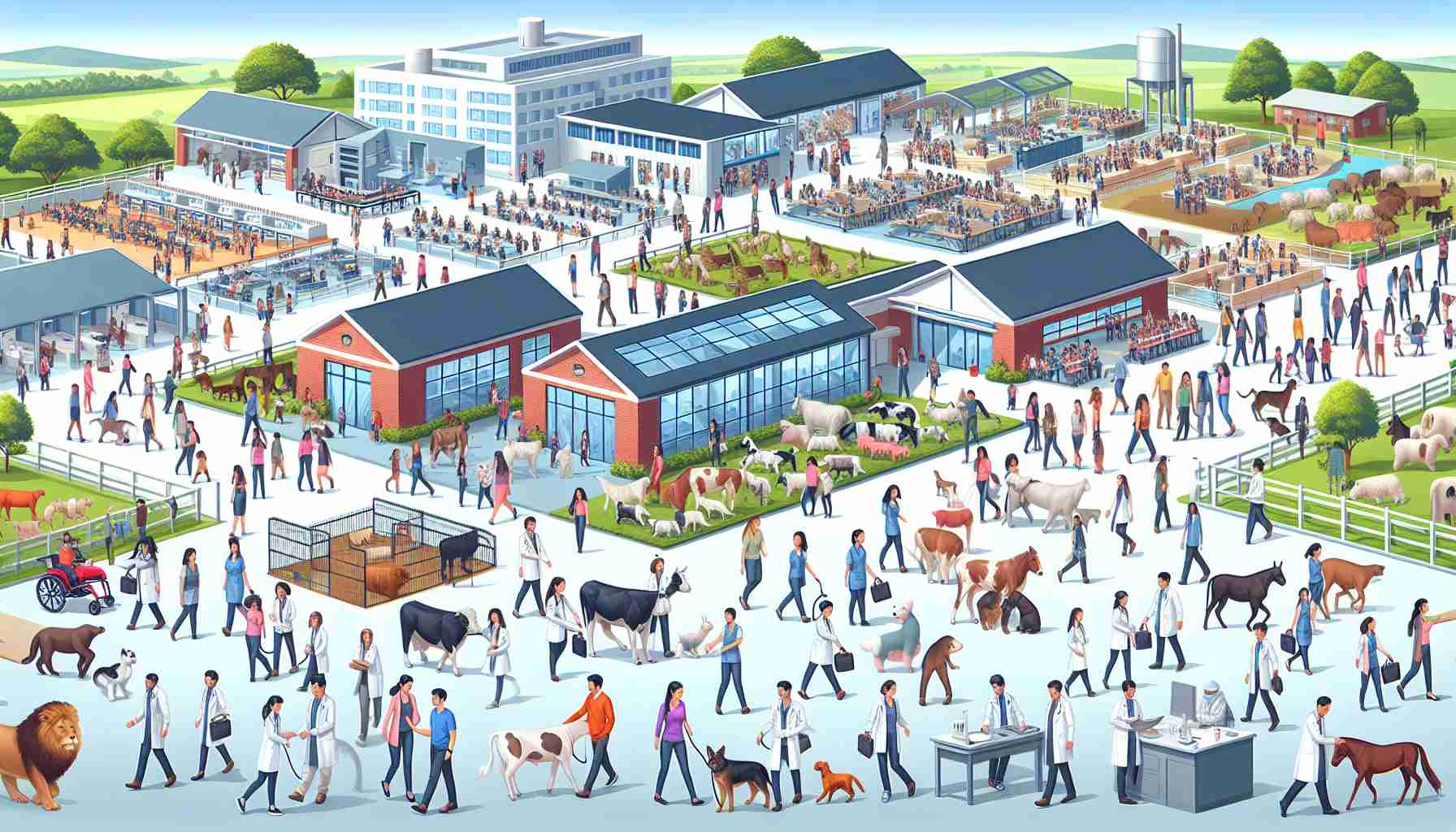
CVM will be the first veterinary college in South Carolina, addressing the pressing issue of veterinarian shortages in the region. The college plans to leverage Clemson University’s extensive resources, including an equestrian center, dairy farm, and beef cattle and sheep facilities, to support student learning and practical experience. The collaboration between CAFLS and CVM will create additional opportunities for teaching and future research, enhancing the educational experience for students.
One of the key goals of CVM is to attract talented students from diverse academic backgrounds, particularly those from Clemson University and South Carolina. By doing so, the college aims to increase the likelihood that graduates will remain in the state to serve the animal industry. Dean Marks emphasizes the unique opportunity presented by the establishment of a new college, expressing gratitude for the team’s commitment to this endeavor.
The Role of USDA in Veterinary Education and Public Health
The involvement of the USDA, particularly through APHIS, plays a vital role in veterinary education and public health. In December 2023, APHIS appointed a new leadership team, signaling a continued commitment to animal and plant health protection. Dr. Michael Watson, who officially took over as the director after serving as acting director for ten months, is responsible for safeguarding the health and value of American agriculture, mitigating human-wildlife conflict, ensuring the safe and timely availability of new genetic engineering technologies, and enforcing animal welfare laws.
The new leadership team, which includes Dr. Donna Lalli, Michelle Wenberg, and Dr. Roxanne Mullaney, brings a wealth of experience and expertise to APHIS. Their roles encompass daily operations, policy and program development, and animal welfare protection, respectively. This team is crucial in addressing agricultural and environmental challenges, particularly in areas such as animal welfare, plant health, and biotechnology regulation.
The collaboration between veterinary colleges like CVM and agencies like APHIS is essential for preparing future veterinarians to tackle public health issues. By working together, these institutions can ensure that veterinary education aligns with the needs of the agricultural sector and the broader community. This partnership not only enhances the educational experience for students but also contributes to the overall health and safety of the public.
Impact of Distributed Learning on Veterinary Training
The trend of distributed learning is reshaping veterinary education across the United States. Purdue University College of Veterinary Medicine’s Veterinary Nursing Distance Learning (VNDL) program, which celebrated its 25th anniversary in 2024, exemplifies this shift. The program has experienced significant growth, with enrollment increasing from 452 students in the spring of 2023 to 624 students in the spring of 2024—a remarkable 38% increase.
Several factors contribute to the success of the VNDL program. The demand for educated veterinary nursing professionals is on the rise, with projections indicating a 21% increase in the need for veterinary technicians by 2032. Additionally, Purdue’s VNDL program is nationally recognized as one of the best online programs, boasting a three-year average pass rate of 92.9% on the Veterinary Technician National Examination (VTNE), significantly higher than the national average of 68.7%.
The program’s faculty is dedicated to online teaching, ensuring high-quality education for students. Furthermore, Purdue University has expanded the program’s reach through social media and partnerships with major veterinary organizations. Collaborations, such as the one with Huntington University, allow students to earn dual degrees, further attracting prospective students.
The COVID-19 pandemic accelerated the adoption of online learning, leading many students to discover that this mode of education better suits their needs. As a result, more students are opting for online programs over traditional campus-based courses. Despite the rapid growth of the VNDL program, the leadership at Purdue College of Veterinary Medicine is not resting on its laurels. They are undertaking a multi-year curriculum redesign, with plans to complete the overhaul of all 27 courses by the spring of 2025.
Graduates like Carolyn Gauslow have praised the VNDL program for its positive learning experience, highlighting the faculty’s dedication to student education. Gauslow’s experience has made her a strong advocate for the program, which she considers one of the best decisions of her career. Overall, Purdue University’s online veterinary nursing program is thriving, attracting an increasing number of students.
Collaboration Between Veterinary Colleges and Government Agencies
Collaboration between veterinary colleges and government agencies is essential for addressing the challenges facing the veterinary profession. On March 1, 2024, Nebraska Governor Jim Pillen, alongside university leaders, announced a new scholarship program aimed at increasing the number of veterinarians serving livestock producers in the state. The Nebraska Elite 11 Veterinarian Program provides financial support to Nebraska students pursuing degrees in animal science or veterinary medicine, particularly at the University of Nebraska-Lincoln (2024 USNews Ranking: 159) (UNL) College of Agricultural Sciences and Natural Resources (CASNR).
The scholarship program is a response to the evident need for food animal veterinarians, a challenge not only in Nebraska but also in other states. UNL President Rodney Bennett emphasized that the program will help the university attract and train talented students while addressing the urgent issues facing Nebraska’s agricultural sector.
The livestock industry in Nebraska contributes over $6 billion annually to the state’s economy, and veterinarians play a crucial role in maintaining animal health, improving herd health, and addressing disease and public health concerns. However, the state faces a severe shortage of food animal veterinarians, partly due to the high costs associated with veterinary training. The Elite 11 program aims to alleviate the financial barriers for Nebraska students pursuing careers in food animal veterinary medicine.
The program will provide scholarships covering 50% of tuition for up to 25 new students during their first two years at UNL. After the second year, up to 13 scholarship recipients will receive continued funding for their third and fourth years of study. Ultimately, 11 students will be selected for the Elite 11 program, receiving full tuition and fees support for their veterinary professional courses, which include completing the first two years of veterinary education at UNL and the final two years at Iowa State University College of Veterinary Medicine.
In addition to financial support, the program will offer mentorship and career development assistance. Governor Pillen emphasized that this initiative provides an excellent opportunity for high school students in Nebraska who are passionate about agriculture and animal care to pursue veterinary careers without the burden of student loans. The program requires graduates to work as food animal veterinarians in Nebraska for eight years.
Tiffany Heng-Moss, dean of the UNL College of Agricultural Sciences and Natural Resources, stated that this program will have a significant impact on the state’s agricultural industry and the students involved. Nebraska State Senator Teresa Ibach also highlighted the program as a crucial step in addressing the rural veterinary needs, emphasizing the necessity for more veterinarians to support the growing agricultural sector.
Conclusion
The establishment of the Clemson University College of Veterinary Medicine marks a pivotal moment in veterinary education in the United States. With a mission to train compassionate veterinarians equipped to meet the diverse needs of the profession, CVM is poised to make a lasting impact on public health and animal welfare. The collaboration with USDA and other stakeholders underscores the importance of partnerships in shaping the future of veterinary medicine.
As the veterinary profession faces challenges such as workforce shortages and the need for innovative training models, the experiences of institutions like Purdue University and the initiatives in Nebraska demonstrate the potential for distributed learning and collaborative scholarship programs to address these issues. By fostering connections between veterinary colleges and government agencies, the veterinary profession can ensure that future veterinarians are well-prepared to tackle the challenges of a rapidly changing landscape.
In summary, the future of veterinary medicine in the United States is bright, with institutions like Clemson University College of Veterinary Medicine leading the way in education, research, and public service. Through collaboration, innovation, and a commitment to excellence, the veterinary profession can continue to thrive and meet the needs of both animals and the communities they serve.