
Introduction: The Intersection of Venture Capital and Robotics Education
As we dive deeper into the world of robotics education, it’s essential to recognize the pivotal role that venture capital plays in shaping these academic initiatives. The recent investment by Bill Gurley in the Texas Robotics program at the University of Texas at Austin is a prime example of how financial backing can elevate educational offerings, particularly in technical fields that are rapidly evolving due to technological advancements. With Gurley’s $5 million matching gift establishing the Amy and Bill Gurley Endowment for Texas Robotics, we’re not just witnessing a financial transaction; we’re observing a strategic move that aims to cultivate the next generation of innovators in robotics.
Robotics is no longer a niche field; it’s becoming an integral part of various industries, from healthcare to manufacturing, and even into the realms of autonomous vehicles and smart cities. As these sectors grow, the demand for skilled professionals who can navigate and innovate within this landscape has skyrocketed. Educational institutions must adapt to these changes, ensuring that their programs align with industry needs and equip students with the skills necessary to thrive. Gurley’s investment is a clear acknowledgment of this trend, as it aims to position UT Austin as a leading destination for aspiring robotics students eager to make their mark.
The significance of the Texas Robotics program extends beyond just attracting students; it’s about creating an environment where innovation can flourish. By providing funding for cutting-edge lab equipment and enhancing research initiatives, the program is set to offer students hands-on experiences that are vital in today’s job market. This experiential learning approach is crucial, as it allows students to apply theoretical knowledge in real-world contexts, bridging the gap between academia and industry.
Moreover, the interdisciplinary nature of robotics education cannot be overstated. The Texas Robotics program features collaborations across various fields, integrating expertise from engineering, computer science, and even social sciences. This holistic approach not only enriches the learning experience but also fosters the kind of critical thinking and problem-solving skills that are essential in tackling complex challenges. As robots become more integrated into our daily lives, understanding their societal implications and ethical considerations will be just as important as the technical skills needed to build them.
As we look at other universities that have successfully implemented similar initiatives, it becomes clear that the trend of venture capital investment in education is gaining momentum. Institutions are increasingly recognizing the need to secure funding from private investors to enhance their programs and attract top-tier talent. This shift is not without its challenges, as reliance on external funding can sometimes lead to misaligned educational goals or a focus on profit over learning. However, when approached thoughtfully, these investments can catalyze significant advancements in educational practices and student outcomes.
The importance of robotics education in today’s workforce cannot be overstated. As industries continue to evolve, the need for skilled professionals who can design, program, and manage robotic systems will only increase. Universities that embrace this change and invest in their robotics programs will not only prepare their students for successful careers but also contribute to the broader societal advancements that robotics promises.
In summary, the investment from Gurley serves as a beacon of hope and a model for other institutions aiming to enhance their robotics programs. It demonstrates a commitment to innovation, excellence, and the nurturing of future leaders in a field that is poised to shape our world in profound ways. As we continue to explore the intersection of venture capital and education, it’s clear that the future of robotics education is bright, and the opportunities for students are boundless.
The Role of Venture Capital in Shaping University Programs
Gurley’s investment in the Texas Robotics program at UT Austin is not just a financial boost; it’s a strategic maneuver designed to attract top-tier talent and faculty, ultimately shaping the future of robotics education. So, what motivates Gurley to invest in this initiative? For one, he recognizes the potential of robotics to revolutionize industries and improve lives. His previous investments in transformative companies like Uber and Zillow reflect a keen eye for innovation and a desire to support the next wave of technological advancement.
The structure of the funding is particularly intriguing. By establishing the Amy and Bill Gurley Endowment for Texas Robotics, he’s not only providing immediate resources but also creating a sustainable model for future growth. This endowment is set to match contributions from other donors, thereby amplifying the impact of his initial investment. This approach not only enhances the program’s financial stability but also encourages a culture of giving among alumni and industry partners, fostering a community invested in the program’s success.
With Gurley’s backing, the Texas Robotics initiative aims to attract not just students but also leading faculty members who can guide the next generation of robotics innovators. The funding will enhance the program’s capabilities, allowing it to upgrade lab equipment and expand research initiatives. This is crucial because, in the fast-paced world of robotics, having access to cutting-edge technology is a game-changer. Students will benefit from hands-on experiences that are essential for mastering complex concepts and developing practical skills.
Moreover, the implications of such funding extend far beyond the immediate benefits. By positioning Texas Robotics as a leader in the field, Gurley’s investment can spark innovation that reverberates throughout the industry. As students engage in research projects that address real-world challenges—like developing robots for healthcare or autonomous vehicles—they’ll be contributing to advancements that can change lives. This creates a feedback loop where the program’s successes attract even more talent, funding, and opportunities, further solidifying its reputation.
Looking at other universities, we see similar trends emerging. Institutions like Stanford and MIT have long benefited from venture capital investments, leading to groundbreaking research and development in robotics and AI. These universities have established ecosystems that support startups and encourage collaboration between students, faculty, and industry leaders. The outcomes? Increased innovation, enhanced job placement rates for graduates, and a significant contribution to local and national economies.
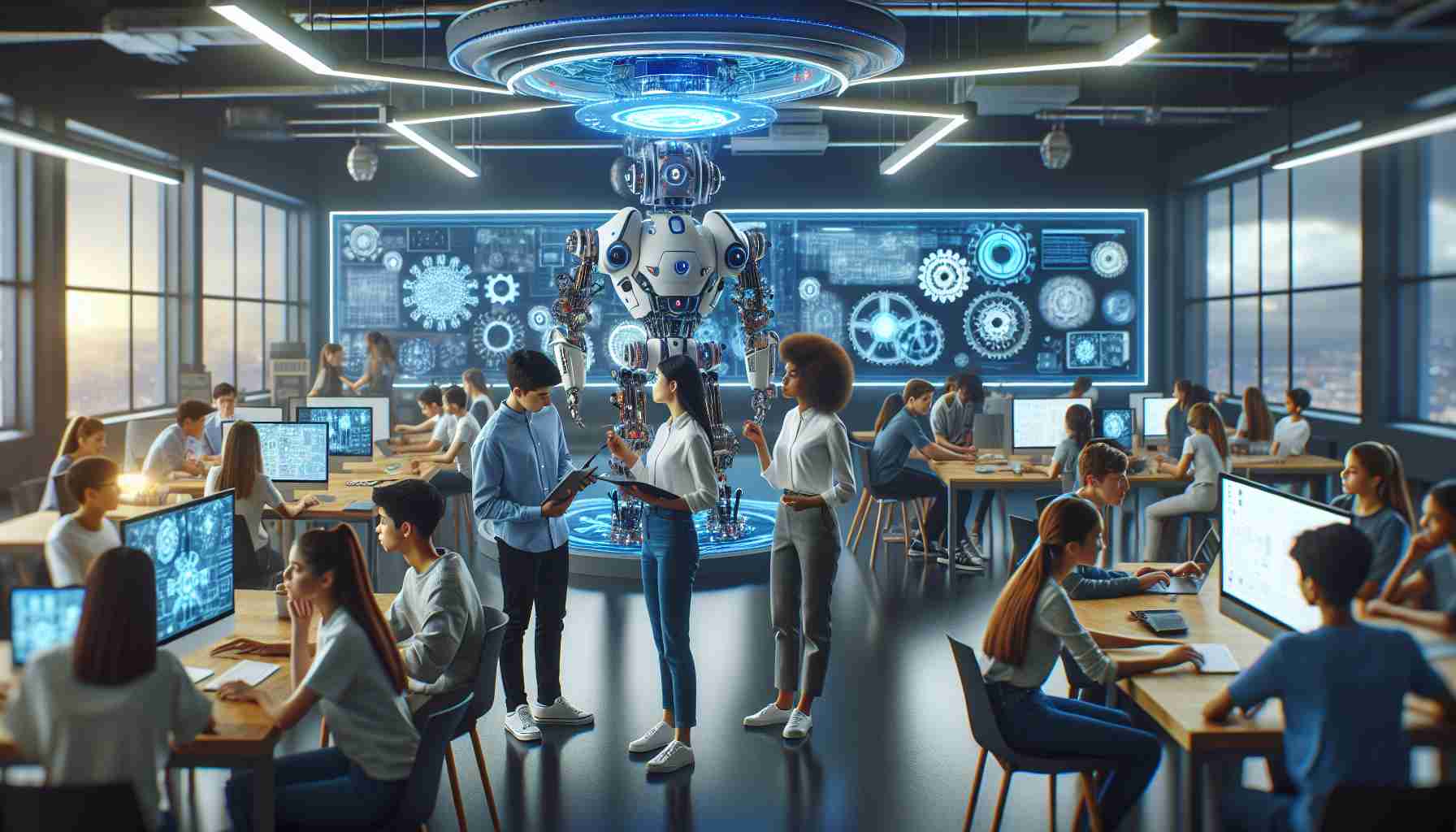
For instance, Stanford’s proximity to Silicon Valley has allowed it to become a breeding ground for tech startups. Similarly, MIT’s Media Lab is renowned for its interdisciplinary approach, combining technology with social sciences to tackle complex issues. These examples illustrate how venture capital can catalyze educational initiatives, creating environments where innovation thrives and students are prepared to meet the demands of a rapidly changing job market.
However, it’s essential to recognize that reliance on venture capital isn’t without its challenges. As universities seek private funding, there’s a risk of aligning educational goals too closely with market demands, potentially sidelining broader educational missions. The focus could shift from nurturing critical thinkers to producing job-ready graduates, which may not fully equip students for the complexities of the future workforce. This is where the balance becomes crucial; educational institutions must remain committed to their foundational goals while adapting to industry needs.
In the case of Texas Robotics, the program’s commitment to an interdisciplinary approach mitigates some of these risks. By integrating expertise from various fields—engineering, computer science, ethics, and social sciences—the program prepares students to think critically about the implications of robotics in society. This holistic education model encourages innovation while ensuring that graduates are equipped to navigate the ethical and societal challenges that come with advancements in technology.
As we look toward the future of robotics education, the potential for innovation is immense. The growing demand for robotics professionals across industries—from healthcare to manufacturing—signals a bright horizon for students entering this field. By embracing venture capital as a means to enhance educational offerings, universities like UT Austin can play a pivotal role in shaping the future landscape of robotics.
In conclusion, Gurley’s investment in the Texas Robotics program is a significant step toward creating a vibrant educational ecosystem that fosters innovation and prepares students for the challenges and opportunities of tomorrow. As we continue to explore the intersection of venture capital and education, it’s clear that the momentum is building, and the future of robotics education is not just promising—it’s transformative.
Experiential Learning and Interdisciplinary Approaches in Robotics Education
Experiential learning stands at the forefront of educational innovation, especially in the realm of robotics. As the Texas Robotics program gears up to launch, it’s clear that hands-on experiences and collaborative projects will be woven into the fabric of its curriculum. This approach is not merely an add-on; it’s a fundamental shift in how we prepare students for the complexities of the modern workforce. By prioritizing experiential learning, Texas Robotics is setting a precedent for other institutions to follow, ensuring that graduates are not only technically proficient but also equipped with the critical thinking and problem-solving skills necessary to thrive in real-world scenarios.
At the heart of this initiative is the recognition that traditional classroom learning often falls short in preparing students for the dynamic challenges they will face in their careers. The Texas Robotics program plans to integrate practical experiences through initiatives like the Freshman Research Initiative’s Robot Learning and Autonomous Robots streams. These hands-on projects will allow students to engage directly with robotics technologies, fostering a deeper understanding of theoretical concepts by applying them in tangible ways. Imagine students programming robots to navigate complex environments or developing algorithms that enable autonomous decision-making. These experiences not only enhance technical skills but also cultivate creativity and innovation—essential traits in an ever-evolving field.
Other educational institutions have successfully adopted similar strategies, showcasing the benefits of experiential learning. For instance, the Massachusetts Institute of Technology (2025 USNews Ranking: 2) (MIT) has long emphasized hands-on projects in its curriculum, allowing students to work on real-world problems through initiatives like the MIT Media Lab. Here, students collaborate across disciplines to create solutions that address pressing global challenges, from sustainable energy to healthcare innovations. This interdisciplinary approach not only enhances technical skills but also encourages students to think critically about the societal implications of their work, preparing them to navigate the ethical complexities of their future careers.
Moreover, the integration of interdisciplinary collaboration within robotics education is crucial for fostering innovation. As robotics intersects with fields such as artificial intelligence, healthcare, and environmental science, students must learn to work alongside peers from diverse academic backgrounds. This collaborative learning environment not only enriches the educational experience but also mirrors the realities of the workforce, where teamwork across disciplines is essential for success. Programs like Stanford’s Design Thinking Bootcamp exemplify this approach, where students from various fields come together to tackle complex design challenges, fostering a culture of creativity and collaboration.
The benefits of combining technical skills with broader competencies cannot be overstated. As industries increasingly seek professionals who can think critically and adapt to change, educational institutions must rise to the occasion. By embracing experiential learning and interdisciplinary approaches, programs like Texas Robotics are equipping students with the tools they need to excel in a competitive job market. Graduates will emerge not just as technicians, but as innovators capable of addressing multifaceted problems and driving advancements in their fields.
However, the journey toward integrating these educational methodologies is not without its challenges. Institutions must navigate funding limitations, curriculum development, and the need for faculty expertise in both technical and interdisciplinary areas. The investment from venture capitalists like Bill Gurley can play a pivotal role in overcoming these hurdles, providing the necessary resources to enhance educational practices and expand research initiatives. By supporting programs that prioritize experiential learning, investors can help create a generation of robotics professionals who are well-prepared to tackle the challenges of tomorrow.
In conclusion, the Texas Robotics program’s commitment to experiential learning and interdisciplinary collaboration is a game-changer in robotics education. As we witness the growing demand for skilled professionals in this field, it’s imperative that educational institutions adapt and innovate. By integrating hands-on experiences and fostering collaboration across disciplines, programs can empower students to not only excel in their careers but also contribute meaningfully to society. The future of robotics education is bright, and with the right investments and methodologies in place, we can cultivate a new wave of innovators ready to shape the world.
Challenges and Opportunities in Robotics Education
As we delve deeper into the challenges and opportunities within robotics education, it becomes clear that while the potential for growth is immense, several hurdles must be navigated to ensure these programs thrive. Funding limitations, curriculum development, and the need for faculty expertise are among the most pressing challenges facing institutions looking to enhance their robotics offerings. However, the infusion of venture capital, as exemplified by Gurley’s investment, can provide a lifeline, helping to bridge these gaps while also presenting certain risks that need to be carefully managed.
First and foremost, funding limitations can significantly impede the development of comprehensive robotics programs. Many universities struggle to allocate sufficient resources for state-of-the-art equipment, research initiatives, and faculty recruitment. The Texas Robotics program at UT Austin, for instance, aims to upgrade its lab facilities and expand its research capabilities, but such enhancements require substantial financial backing. This is where venture capital can play a transformative role. Investments like Gurley’s not only provide immediate funding but also create a sustainable financial model through matching endowments, encouraging further contributions from alumni and industry partners. This ecosystem of support can lead to a more robust educational framework, enabling institutions to attract top talent and create cutting-edge learning environments.
Moreover, the evolution of robotics education necessitates continuous curriculum development to stay aligned with industry demands. As technology rapidly advances, educational programs must adapt to include emerging trends and techniques. This is particularly critical in a field as dynamic as robotics, where new applications and methodologies are constantly being developed. Venture capital can facilitate this evolution by funding curriculum innovation and interdisciplinary projects that integrate robotics with other fields, such as artificial intelligence, healthcare, and environmental science. For example, the Texas Robotics program’s commitment to experiential learning and interdisciplinary collaboration is designed to prepare students for the multifaceted challenges they will face in their careers. By investing in programs that emphasize hands-on experiences and cross-disciplinary teamwork, universities can ensure that their graduates are not only technically proficient but also capable of thinking critically and creatively in complex situations.
However, the reliance on venture capital also brings potential drawbacks that must be acknowledged. One significant concern is the risk of dependency on private funding, which can lead to misalignment with educational goals. When programs prioritize the interests of investors over the holistic development of students, there is a danger of creating a workforce that is merely job-ready rather than equipped to innovate and solve complex societal challenges. Maintaining a balance between meeting industry needs and fostering critical thinking and ethical considerations is essential. The Texas Robotics program, by integrating social sciences and ethical discussions into its curriculum, aims to mitigate this risk, ensuring that students are prepared to navigate the societal implications of their work in robotics.
Furthermore, the growing demand for robotics professionals across various industries presents a unique opportunity for universities to position themselves as leaders in this field. As sectors like healthcare, manufacturing, and logistics increasingly incorporate robotics and automation, the need for skilled graduates who can design, implement, and manage these systems will only intensify. This demand underscores the importance of innovative educational practices that not only focus on technical skills but also emphasize adaptability and creativity. By leveraging venture capital to enhance their robotics programs, universities can play a pivotal role in meeting this demand and contributing to the broader technological landscape.
In conclusion, while the challenges facing robotics education are significant, the opportunities presented by venture capital investments can help pave the way for transformative change. By addressing funding limitations, fostering curriculum innovation, and ensuring a commitment to ethical and interdisciplinary approaches, programs like Texas Robotics can prepare students to thrive in an ever-evolving job market. As we look to the future, it is clear that the intersection of venture capital and education holds the potential to shape a new generation of robotics professionals who are not only skilled but also equipped to drive meaningful advancements in society. The journey ahead may be fraught with challenges, but with strategic investments and a commitment to innovation, the possibilities are boundless.
Conclusion: The Future of Robotics Education and Its Impact on Society
As we reflect on the transformative potential of venture capital in robotics education, it’s essential to recognize the profound impact these investments can have on shaping the careers of students and addressing societal needs. Bill Gurley’s significant contribution to the Texas Robotics program at UT Austin exemplifies how financial backing can elevate educational initiatives, ultimately preparing students for a rapidly evolving technological landscape. The implications of such investments extend beyond immediate funding; they pave the way for innovative educational practices that can redefine how we approach robotics training.
The integration of venture capital into education serves as a catalyst for innovation, enabling institutions to enhance their offerings and attract top-tier talent. With the establishment of the Amy and Bill Gurley Endowment for Texas Robotics, UT Austin is poised to build a robust program that not only focuses on technical skills but also emphasizes the importance of ethical considerations and interdisciplinary collaboration. As students engage in hands-on experiences and research projects, they will cultivate the critical thinking and problem-solving abilities necessary to navigate the complexities of the modern workforce. This holistic approach ensures that graduates are not just technicians but innovators who can contribute meaningfully to society.
Moreover, the societal implications of advancements in robotics cannot be overlooked. As industries increasingly adopt automation and artificial intelligence, the demand for skilled professionals who can design, implement, and manage robotic systems will only grow. Educational institutions have a vital role to play in meeting this demand, ensuring that their programs are aligned with industry needs while also fostering a sense of ethical responsibility among graduates. By preparing students to understand the societal impact of their work, universities can help shape a future where technology serves to enhance human lives rather than replace them.
Looking ahead, there are several areas ripe for future research and exploration. First, understanding how to balance the demands of industry with the broader educational mission will be crucial. This includes examining the effectiveness of experiential learning models and interdisciplinary approaches in robotics education. Additionally, ongoing dialogue about the ethical implications of robotics and automation will be essential as these technologies become more integrated into our daily lives.
Furthermore, as venture capital continues to flow into educational initiatives, it will be important to study the long-term effects of such investments on student outcomes and workforce readiness. How do these programs evolve over time, and what best practices can be identified to ensure that they remain relevant and impactful?
In conclusion, the intersection of venture capital and robotics education holds immense promise for shaping the future of both the workforce and society at large. By embracing innovation, fostering interdisciplinary collaboration, and prioritizing ethical considerations, educational institutions can prepare the next generation of robotics professionals to thrive in an increasingly complex world. As we continue to navigate this evolving landscape, the potential for positive change is boundless, and the role of higher education in driving this transformation is more critical than ever.
Reference:
- Gurley Investment Will Sustain Texas Robotics’ Undergraduate Program as Leader
- Rethinking College Education in an AI Work Future
- Equipping Future Graduates for an AI-Driven World
- Bridging the Gap: Bioinspired Robotics as a Catalyst for Interdisciplinary Education
- The Role of Intellectual Humility in Promoting Epistemic Fluency for Interdisciplinary Engineering Education
- Interdisciplinary Collaboration in Engineering Education: Insights from the InterPBL Project
- Navigating Uncertainty with Interdisciplinary Teaching: A Necessity for Modern Education
- Understanding David Kolb’s Experiential Learning Theory
- Top 7 Reasons Why College is Important
- Top Schools Preparing Students For Future Careers