
Introduction: The Importance of STEM Designation in Graduate Education
The recent announcement from Michigan State University (MSU) about its College of Communication Arts and Sciences (ComArtSci) receiving STEM (Science, Technology, Engineering, and Mathematics) designation for four of its graduate programs is a game-changer, not just for the university but for the landscape of graduate education in general. This designation elevates the status of these programs, aligning them with the U.S. Department of Homeland Security’s criteria for academic pathways that emphasize science and technology. It’s like giving these programs a shiny new badge that enhances their appeal, especially for international students who are increasingly seeking opportunities in the U.S. job market.
So, what’s the big deal about STEM designations? First off, they significantly boost the value of graduate programs. For students, particularly those from abroad, this designation translates into extended work opportunities post-graduation. Under the Optional Practical Training (OPT) program, international students typically have a year to gain work experience in the U.S. after completing their studies. However, graduates from STEM-designated programs can apply for an additional 24-month extension, totaling a whopping 36 months of work authorization. This extra time is crucial for students to not only gain valuable industry experience but also to build professional networks that can lead to more permanent positions.
International students, who often face unique challenges in the job market, find this extended work period particularly advantageous. It provides a competitive edge in a landscape where experience is king. With the rapidly evolving digital landscape, the ability to merge communication skills with technical expertise is increasingly sought after by employers. Graduates from these programs—like the Information and Media Ph.D. and the User Experience Master of Science—will be equipped with a blend of communication prowess and technical know-how, which is essential for navigating modern workplace dynamics.
Moreover, the significance of this designation extends beyond just individual career prospects; it reflects broader trends in the job market. As industries become more intertwined with technology, the demand for professionals who can seamlessly integrate communication strategies with technical skills is skyrocketing. For instance, the rise of user experience (UX) design as a critical component of digital communication underscores the necessity for graduates to possess interdisciplinary skills that align with industry demands. Employers are on the lookout for candidates who can not only craft compelling narratives but also understand the technological frameworks that underpin those narratives.
The STEM designation also speaks to the changing dynamics of higher education itself. As universities grapple with fluctuating enrollment numbers and competition from alternative educational pathways, programs that emphasize STEM are becoming increasingly attractive. They not only cater to the needs of the modern job market but also draw in a diverse pool of students eager to enhance their employability.
In a nutshell, the announcement from MSU is more than just an institutional milestone; it’s a reflection of the evolving landscape of graduate education. The integration of STEM designations into communication arts and sciences programs is a strategic move that not only enhances the value of these degrees but also positions graduates for success in a competitive job market. As we look ahead, it’s clear that the fusion of technology and communication will continue to shape the future of work, making programs like those at MSU essential for preparing the next generation of professionals.
With the Class of 2025 set to be the first cohort to graduate under this new STEM designation, it will be exciting to see the impact on their career trajectories and the potential ripple effects on other universities. The future is bright for those who embrace the intersection of communication and technology, and it’s a thrilling time to be part of this evolving narrative in higher education.
Impact of STEM Designation on International Students’ Career Opportunities
The STEM designation at Michigan State University (MSU) is a monumental step forward for international students enrolled in its newly recognized programs. Let’s dive deeper into how this designation specifically benefits these students, particularly focusing on the implications of the extended Optional Practical Training (OPT) period. This extension is not just a number; it’s a lifeline that opens up a world of opportunities for international graduates looking to establish their careers in the U.S.
First, let’s talk numbers. The OPT program allows international students to work in the U.S. for 12 months after graduation. However, for those graduating from STEM-designated programs, this period extends to a total of 36 months. That’s right—an additional 24 months of work authorization! This extended timeframe is crucial for students to gain industry experience, which is a significant factor in securing job offers. In a job market that increasingly values experience, this extension gives STEM graduates a substantial advantage over their non-STEM counterparts.
Now, why does this matter? According to recent statistics, international students make up a significant portion of the graduate student population in the U.S., with over 500,000 enrolled in STEM fields as of the last academic year. This trend is only expected to grow, especially as the demand for skilled professionals in technology-driven industries continues to rise. The Bureau of Labor Statistics projects a 10.4% growth in STEM occupations from 2023 to 2033, which is significantly higher than the overall job growth rate. This means that graduates from these programs are not just competing for jobs; they are entering a flourishing market where their skills are in high demand.
Moreover, the competitive edge provided by the STEM designation cannot be understated. Graduates from these programs are equipped with a unique blend of communication and technical skills that are increasingly sought after by employers. For instance, the User Experience Master of Science program prepares students to navigate both the creative and technical aspects of digital communication, making them invaluable assets in a tech-driven world. Employers are actively looking for candidates who can understand user needs while also being proficient in the technologies that facilitate those interactions.
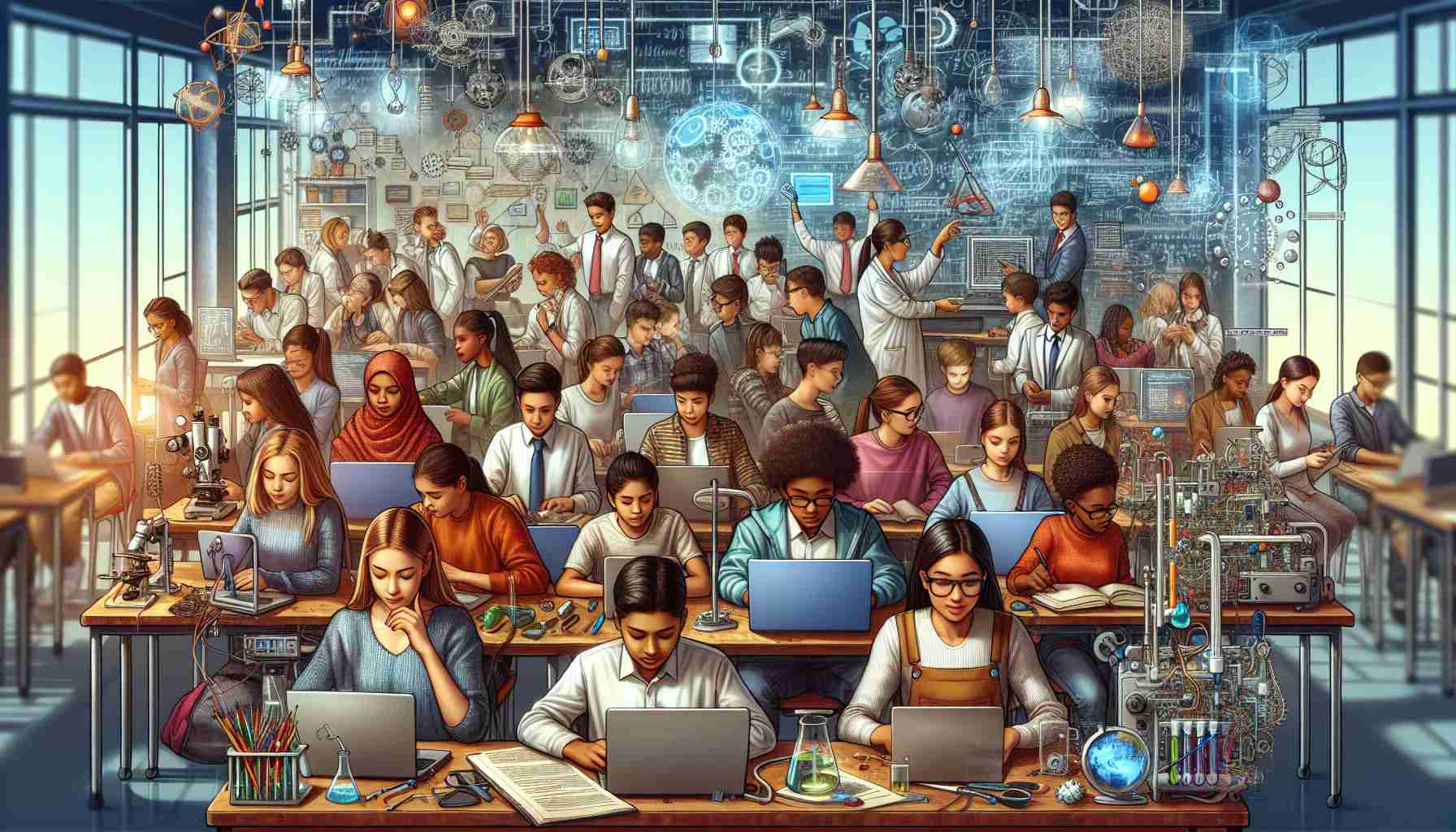
Let’s not forget about the networking opportunities that come with this extended OPT period. The additional time allows international students to build professional connections, attend industry events, and participate in internships that can often lead to full-time positions. In a landscape where who you know can be just as important as what you know, this networking potential is a game-changer. Graduates can leverage their OPT period to not only showcase their skills but also to establish relationships that may lead to job offers or referrals down the line.
Furthermore, the implications of the STEM designation extend beyond individual career prospects; it reflects broader trends in the job market. As industries increasingly rely on technology, professionals who can bridge the gap between communication and technical expertise are becoming indispensable. The rise of data analytics, UX design, and digital media means that graduates equipped with these skills will find themselves in high demand. Employers are not just looking for employees; they are seeking innovators who can adapt to and thrive in rapidly changing environments.
The impact of this designation is also evident in the enrollment trends at MSU. With the announcement of the STEM designation, we can expect an influx of applications from international students eager to take advantage of the extended work opportunities. This aligns with a broader trend seen across U.S. universities, where STEM programs are attracting a diverse pool of students. As institutions adapt to the evolving job market, those that emphasize STEM education are likely to see increased enrollment and engagement from prospective students.
In conclusion, the STEM designation awarded to MSU’s graduate programs is a significant advancement for international students. It not only enhances their career opportunities through extended OPT but also positions them favorably in a competitive job market that increasingly values the integration of communication and technology. As the Class of 2025 prepares to graduate, we can anticipate a wave of talented professionals ready to make their mark in the workforce. This shift in graduate education underscores the importance of STEM fields in shaping the future of work, making it an exciting time for students to pursue their passions in these dynamic programs. The future is bright for those who embrace the intersection of communication and technology, and it’s thrilling to witness this evolution in higher education.
The Role of Communication and Technology in Modern Job Markets
As we transition into the next segment of our exploration, let’s delve into the intricate interplay between communication, technology, and employment trends. The demand for professionals who can navigate both realms is not just a fleeting trend; it’s becoming a fundamental requirement in the job market. As we look ahead to 2025, the landscape is shaping up to be one where interdisciplinary skills are not just beneficial but essential for career success.
The projected job market trends for 2025 are illuminating. According to recent reports, roles such as data engineers, software developers, and UX designers are at the forefront of hiring priorities. These positions reflect a growing recognition that technical skills alone are not enough. Employers are increasingly seeking candidates who can effectively communicate complex ideas and collaborate across diverse teams. This is where the fusion of communication and technology becomes vital. For instance, a data engineer might be tasked not only with managing large datasets but also with presenting insights in a way that stakeholders can understand and act upon. Communication skills are the bridge that connects technical expertise with actionable business strategies.
Moreover, the rise of user experience (UX) design exemplifies this intersection beautifully. UX design is no longer just about creating visually appealing interfaces; it’s about understanding the user journey and ensuring that every touchpoint is optimized for satisfaction and engagement. As companies pivot to prioritize user-centric approaches, the demand for skilled UX designers is skyrocketing. These professionals must possess a keen understanding of human behavior, as well as the technical skills to translate that understanding into effective design solutions. This duality is precisely what employers are looking for: individuals who can think critically about user needs while also being adept at using the tools and technologies that bring those ideas to life.
The importance of UX design extends beyond individual roles; it is a critical component of modern communication strategies. In a world where digital interactions are the norm, the ability to create seamless user experiences can determine a company’s success or failure. For graduates entering the workforce, possessing a solid foundation in UX principles can set them apart from their peers. Companies are not just looking for employees; they are searching for innovators who can enhance their brand through thoughtful, user-centric design.
In light of these trends, the skills required for success are evolving. The most in-demand tech jobs of 2025 will require a blend of technical prowess and soft skills, such as communication, collaboration, and problem-solving. For instance, a software developer might be expected to engage with clients to gather requirements, ensuring that the final product aligns with user needs. This shift signifies a broader trend in the job market: the recognition that technical skills must be complemented by strong interpersonal abilities to thrive in collaborative environments.
As we consider the implications of these trends for graduates, it becomes clear that interdisciplinary skills are not merely a nice-to-have; they are essential for navigating the complexities of the modern job market. Educational institutions, including those with newly designated STEM programs like MSU’s, are responding to this demand by equipping students with the skills they need to succeed. Programs that integrate communication strategies with technical training are becoming increasingly attractive to students who want to position themselves favorably in a competitive landscape.
Furthermore, the rise of technologies such as artificial intelligence, machine learning, and data analytics is reshaping the skills landscape. These technologies are not just tools; they are transforming how businesses operate and communicate with their audiences. For graduates, this means that staying ahead of the curve requires a commitment to continuous learning and adaptation. The ability to leverage these technologies while maintaining a focus on user experience will be crucial for success in the evolving job market.
In conclusion, the intersection of communication and technology is not just a trend; it is a defining characteristic of the future workforce. As we approach 2025, the demand for professionals who can blend these skills will continue to grow. Graduates who can navigate this landscape will find themselves well-positioned to take advantage of the opportunities that arise. The emphasis on interdisciplinary skills, particularly in areas like UX design, underscores the importance of adapting educational programs to meet the needs of a rapidly changing job market. For students entering these fields, the future is not just bright; it is filled with endless possibilities for innovation and impact.
Trends in Graduate Education: The Rise of STEM Programs
As we delve deeper into the trends shaping graduate education, it’s clear that the increasing focus on STEM programs across U.S. universities is not just a passing phase; it’s a strategic response to the evolving demands of the job market. Institutions are navigating a complex landscape characterized by rising educational costs, competition from alternative pathways like boot camps and online certifications, and a shifting demographic of prospective students. The challenge is real, but so are the innovative solutions being implemented to attract both domestic and international students to these coveted STEM offerings.
Take, for instance, the remarkable enrollment growth at the Illinois Institute of Technology (2025 USNews Ranking: 105) (Illinois Tech). Over the past three years, the university has achieved a jaw-dropping 27% increase in student enrollment, breaking records that haven’t been seen in over three decades. This success story is particularly striking against the backdrop of declining enrollment trends nationally and regionally. Illinois Tech’s approach—coupled with a strategic focus on career readiness and innovative academic programs—has positioned it as a beacon for students seeking a robust education in STEM fields. The Stuart School of Business, for example, has seen a staggering 73% increase in enrollment, reflecting a clear demand for programs that integrate business acumen with technical expertise.
But how are universities like Illinois Tech managing to stand out in such a competitive landscape? One of the key strategies is emphasizing career readiness through hands-on experiences and co-curricular activities. Programs that not only teach theory but also provide practical applications are becoming increasingly attractive to students who want to ensure their education translates directly into job opportunities. This is particularly crucial as prospective students weigh the return on investment of their degrees, with many now scrutinizing whether the financial burden of graduate education will lead to lucrative job prospects.
Moreover, the demographic cliff that many institutions face—stemming from declining high school graduation rates—has prompted universities to look beyond traditional student pools. International students are stepping into the spotlight as a significant source of growth for graduate programs. The number of international graduate students in the U.S. surged by over 21% in 2022, highlighting a trend that schools are keen to capitalize on. By offering STEM-designated programs that extend work authorization periods, universities are making their offerings more appealing to international applicants who are eager to gain valuable work experience in the U.S. after graduation.
The implications of these trends are far-reaching. As universities adapt to attract a diverse range of students, those that prioritize STEM education are likely to see increased enrollment and engagement. The focus on STEM is not merely about filling seats; it’s about preparing graduates for a job market that increasingly values interdisciplinary skills. Employers are on the lookout for candidates who can navigate both the technical and communicative aspects of their roles, making programs that merge these skills particularly attractive.
The success stories emerging from institutions like Illinois Tech serve as a roadmap for others looking to enhance their STEM offerings. By creating an environment that prioritizes accessibility, innovation, and career readiness, universities can position themselves as leaders in graduate education. The integration of diverse perspectives, especially from international students, enriches the academic experience and prepares all students to thrive in a global job market.
As we look to the future, it’s evident that the emphasis on STEM programs is not just a trend but a necessary evolution in higher education. The challenges of rising costs and competition from alternative pathways will continue to shape the landscape, but those institutions that embrace innovation and adaptability will not only survive but thrive. The Class of 2025, with its first cohort of STEM-designated graduates from programs like those at MSU, will undoubtedly pave the way for future generations, armed with the skills and experiences necessary to excel in a tech-driven world.
In this dynamic and ever-evolving educational landscape, the fusion of technology and communication will remain at the forefront, ensuring that graduates are well-equipped to tackle the challenges of tomorrow. As we witness these shifts unfold, it becomes clear that the future of graduate education is bright, particularly for those who embrace the opportunities presented by STEM designations.
Conclusion: Preparing for a Tech-Driven Future
As we draw closer to the conclusion of this exploration into the evolving landscape of graduate education, it’s essential to reflect on the key takeaways regarding the significance of STEM designations and what they mean for students navigating the complexities of a tech-driven world. The recent developments at Michigan State University (MSU) serve as a powerful case study, illustrating how STEM designations can enhance educational pathways and career opportunities for students, particularly international students eager to carve out their place in the U.S. job market.
The STEM designation is more than just a badge; it represents a commitment to integrating science and technology into communication arts and sciences programs. This integration is not only crucial for aligning academic offerings with industry demands but also for preparing graduates who possess the interdisciplinary skills that employers are increasingly seeking. In a job market where the lines between communication and technology continue to blur, graduates equipped with both technical expertise and communication acumen will undoubtedly stand out.
Looking ahead, the future of media and communication education is intertwined with technological advancements and the ongoing evolution of the job market. As we’ve seen, roles in data analytics, UX design, and digital media are not merely emerging; they are becoming critical to organizational success. Graduates from STEM-designated programs will have the unique advantage of being able to navigate this landscape, leveraging their skills to meet the demands of employers who are searching for innovative thinkers capable of solving complex problems.
Moreover, the emphasis on continuous adaptation and innovation within academic programs is vital. Universities must remain agile, updating curricula to incorporate the latest technological advancements and industry trends. By doing so, they can ensure that their graduates are not only relevant but also equipped to lead in their respective fields. This is particularly important as the job market continues to evolve rapidly, driven by advancements in AI, data analytics, and other emerging technologies.
For prospective students, the benefits of enrolling in STEM-designated programs are clear. The extended OPT period provides a unique opportunity to gain valuable work experience, develop professional networks, and enhance employability—all crucial factors in today’s competitive job market. As students consider their educational pathways, it’s essential to recognize the advantages of choosing programs that emphasize STEM, as they are likely to open doors to a wider array of career opportunities.
In summary, the STEM designations awarded to programs at institutions like MSU represent a significant shift in graduate education, reinforcing the importance of interdisciplinary skills in a tech-driven world. As we embrace the future of work, it’s imperative that students prepare themselves by seeking out educational experiences that not only enhance their knowledge but also equip them with the skills necessary to thrive in an ever-changing landscape. The intersection of communication and technology is where the future lies, and those who are ready to navigate this intersection will undoubtedly find themselves at the forefront of innovation and success.
Reference:
- ComArtSci at Michigan State University Receives STEM Designation for Graduate Programs
- ComArtSci at Michigan State University Achieves STEM Designation for Four Graduate Programs
- The 10 Most In-Demand Tech Jobs for 2025 and Hiring Strategies
- The Role of UX Designers: Skills, Salaries, and Future Prospects
- Illinois Tech Breaks Enrollment Records for Third Consecutive Year, Defying National and Regional Trends
- U.S. Universities Face Declining Graduate Enrollment Amid Rising Costs and Alternatives
- US International Enrollment Reaches Record Highs Amid Political Uncertainty