
Introduction to Public Policy Education at U.S. Universities
Public policy education has emerged as a critical pillar in American universities, especially in the context of today’s complex socio-political landscape. As societal challenges intensify and the demand for informed decision-makers rises, students are increasingly gravitating toward public policy majors. Han Li’s journey at Georgetown University (2025 USNews Ranking: 24) ’s Capitol Campus exemplifies this trend. Initially uncertain about his path, Han found clarity and purpose within the Joint Program in Public Policy (JPPP), which marries a robust liberal arts education with a deep dive into the intricacies of public service.
What stands out about programs like the JPPP is their commitment to practical experiences. The curriculum is not just about theoretical knowledge; it emphasizes real-world applications through internships and hands-on learning. This approach equips students with the necessary skills to navigate the multifaceted world of public policy. For instance, Han appreciated how small class sizes and graduate-level courses fostered an environment ripe for collaboration and critical thinking. It’s this blend of rigorous academic training and experiential learning that cultivates effective public policy leaders.
Moreover, the interdisciplinary nature of public policy education cannot be overstated. It’s not merely about understanding politics; it’s about grasping the nuances of economics, sociology, and ethics. This holistic view is essential for addressing the multifarious issues that policymakers face today. Programs that integrate liberal arts into their core curricula prepare students to think critically and creatively, enabling them to devise innovative solutions to pressing societal problems.
As students like Han Li immerse themselves in urban life at the Capitol Campus, they gain invaluable independence and life skills. The experience of living away from the traditional campus environment—cooking, navigating public transport, and managing their time—teaches them more than just academic lessons; it shapes their character and resilience. This is particularly significant as public policy often requires not only intellectual acumen but also emotional intelligence and adaptability.
The increasing interest in public policy majors reflects a broader societal recognition of the importance of civic engagement and responsible governance. As young people become more aware of the impact of policy decisions on their lives and communities, they are motivated to step up and effect change. Universities have a unique opportunity to harness this enthusiasm by providing robust platforms for learning, collaboration, and activism.
In addition to practical experiences and interdisciplinary approaches, the integration of liberal arts plays a pivotal role in shaping the next generation of public policy leaders. Critical thinking, communication, and analytical skills—hallmarks of a liberal arts education—are indispensable in crafting effective policies. They allow future leaders to engage with diverse perspectives, fostering inclusivity and innovation in policymaking.
The significance of public policy education in American universities today is not just about preparing students for careers; it’s about nurturing informed citizens who are equipped to tackle the challenges of tomorrow. As we witness a growing commitment to these educational frameworks, it’s clear that the future of public policy lies in the hands of those who are willing to learn, adapt, and lead. With students like Han Li at the forefront, the potential for transformative change in our society is immense. The journey through public policy education is not merely an academic pursuit; it’s a call to action for those who aspire to make a difference.
The Role of Practical Experiences in Public Policy Education
Internships and hands-on experiences are the beating heart of public policy education, transforming theoretical knowledge into practical skills that students can apply in real-world scenarios. At institutions like Georgetown University, the Joint Program in Public Policy (JPPP) exemplifies this commitment to experiential learning. By immersing students in the political landscape of Washington, D.C., the JPPP provides an unparalleled opportunity for aspiring policymakers to engage directly with the mechanisms of government and public service.
The program’s structure encourages students to not only absorb knowledge but also to apply their learning through internships, which are integral to their academic journey. For instance, Han Li, a sophomore at Georgetown, found that his participation in a Hillternship during his freshman year was pivotal. It allowed him to bridge the gap between classroom discussions and the realities of policy-making, giving him a taste of what it means to be an active participant in public service. This hands-on experience is crucial; it equips students with practical skills such as report writing, data analysis, and stakeholder engagement—skills that are essential for any successful career in public policy.
Similarly, the UCLA Luskin School of Public Affairs emphasizes the importance of internships within its Master of Public Policy (MPP) program. The curriculum is designed to prepare students for diverse careers in public service, extending beyond traditional government roles. With a focus on real-world applications, students engage in policy analysis projects that allow them to tackle pressing issues, such as climate resilience and urban planning. This experiential learning not only enhances their academic understanding but also positions them as competitive candidates in the job market. The hands-on experiences fostered by programs like those at UCLA Luskin create a dynamic learning environment where students can thrive and innovate.
Internships also serve as a launching pad for career trajectories. According to various studies, students who engage in internships are more likely to secure employment after graduation and often command higher starting salaries. The practical exposure gained through internships helps students build a professional network, which is invaluable in the public policy field. As they connect with mentors and industry professionals, they gain insights into the nuances of policy-making and develop a deeper understanding of the challenges and opportunities within the sector.
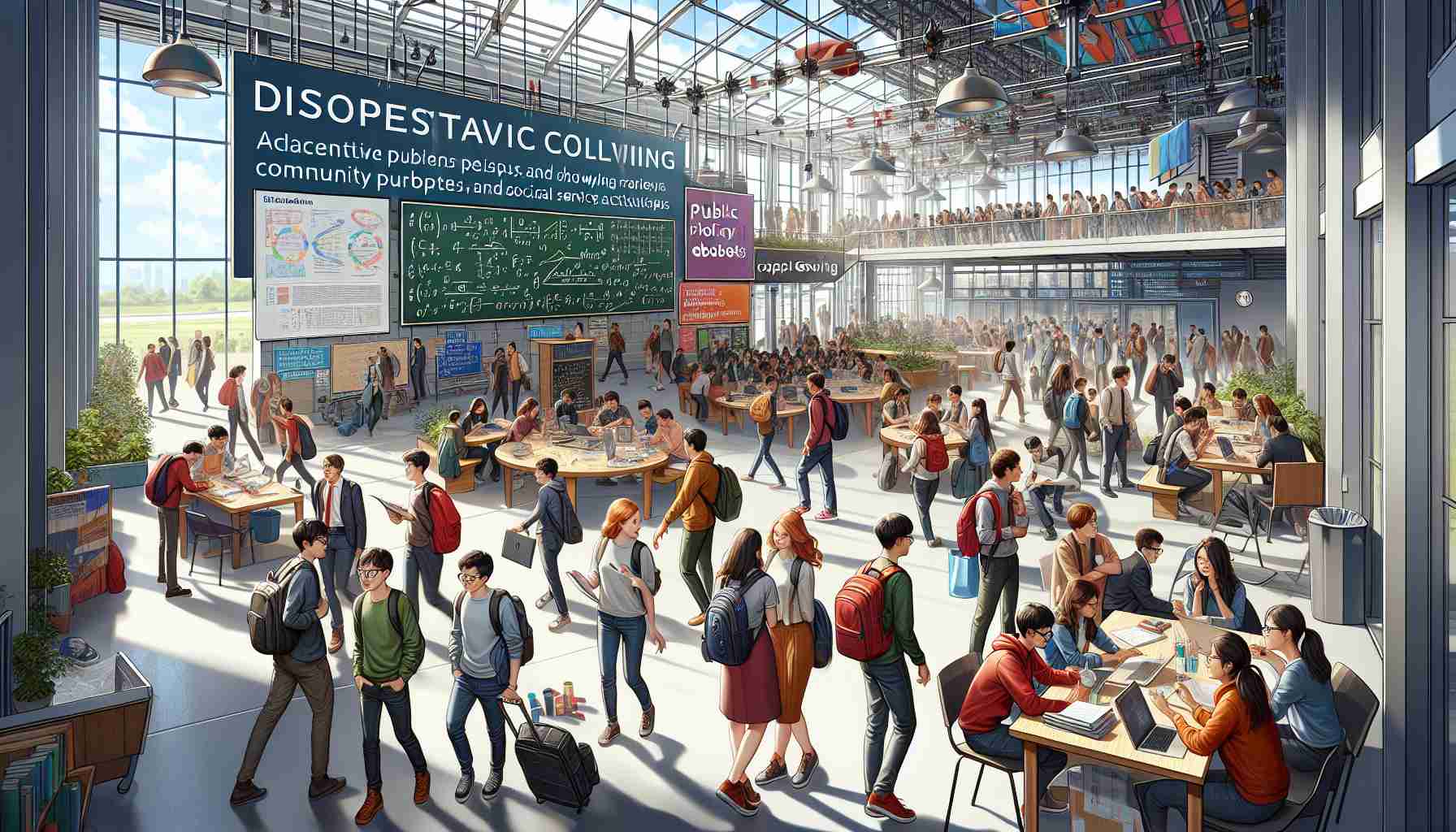
Moreover, the impact of internships extends beyond immediate job placement. They cultivate essential soft skills such as communication, teamwork, and adaptability—traits that are increasingly sought after in today’s workforce. These experiences allow students to navigate complex environments, engage with diverse viewpoints, and develop the emotional intelligence necessary for effective leadership. In a field that often grapples with contentious issues, the ability to communicate effectively and work collaboratively is paramount.
The role of internships in public policy education is not just about enhancing employability; it is about shaping informed, engaged citizens who are prepared to tackle societal challenges head-on. Programs like the JPPP and UCLA Luskin are setting the stage for the next generation of public policy leaders by emphasizing the importance of practical experiences alongside academic rigor. Students emerge not only with a comprehensive understanding of policy frameworks but also with the skills and confidence to implement change.
In the context of a rapidly evolving political landscape, the integration of internships within public policy education becomes even more critical. As students like Han Li navigate their educational journeys, they are not just preparing for careers; they are becoming advocates for change, equipped with the tools necessary to influence policy and drive social progress. The combination of theoretical knowledge and practical experience fosters a generation of leaders who are ready to address the pressing issues of our time.
As we look to the future, it’s clear that the synergy between education and hands-on experience will continue to shape the landscape of public policy. Universities must remain committed to providing students with opportunities to engage with the real world, ensuring that they are not only knowledgeable but also capable of making a tangible impact in their communities. The journey through public policy education is an invitation to challenge the status quo and embrace the complexities of governance, and internships are the gateway to that transformative experience.
Liberal Arts Education and Its Impact on Public Policy Careers
A liberal arts education is a treasure trove for aspiring public policy professionals, offering a rich tapestry of skills and perspectives that are essential in today’s complex political landscape. Programs at institutions like Georgia College and State University (GCSU) and UCLA Luskin School of Public Affairs exemplify how a liberal arts foundation can enhance critical thinking, communication, and analytical skills—qualities that are indispensable for effective policymaking.
At GCSU, the emphasis on a liberal arts education is not just a tagline; it’s woven into the very fabric of the academic experience. As Georgia’s designated public liberal arts university, GCSU aims to cultivate well-rounded individuals who can navigate the multifaceted nature of public policy. The curriculum encourages students to engage with diverse disciplines, fostering an environment where critical thinking flourishes. This interdisciplinary approach is vital, as public policy issues often intersect with economics, sociology, ethics, and more. By studying across various fields, students develop a holistic understanding of the societal challenges they will face in their careers.
Similarly, UCLA Luskin’s Master of Public Policy (MPP) program underscores the importance of a liberal arts foundation. The program isn’t merely about crunching numbers or drafting legislation; it’s about understanding the human elements behind policy decisions. Core courses delve into social science methodologies, political institutions, and ethical considerations, enabling students to analyze policies through multiple lenses. This comprehensive approach equips graduates with the ability to think critically and creatively—skills that are essential when addressing the complexities of public issues such as climate change, healthcare, and social justice.
Moreover, communication skills are a cornerstone of a liberal arts education, and they are particularly crucial in public policy. Aspiring policymakers must be able to articulate their ideas clearly and persuasively to a variety of audiences, from government officials to community stakeholders. Programs at both GCSU and UCLA Luskin emphasize the development of these skills through practical assignments, presentations, and collaborative projects. Students learn to craft compelling narratives that resonate with diverse groups, ensuring that their policy proposals are not only well-informed but also effectively communicated.
The value of analytical skills cannot be overstated in the realm of public policy. A liberal arts education fosters the ability to assess information critically, identify patterns, and make informed decisions. At UCLA Luskin, for example, students participate in policy analysis projects that require them to gather data, evaluate outcomes, and propose evidence-based solutions. This hands-on experience sharpens their analytical capabilities, preparing them to tackle real-world challenges with confidence.
Interdisciplinary studies further enhance the effectiveness of public policy education by exposing students to various perspectives and methodologies. For instance, GCSU encourages students to engage in experiential learning through community-based projects, internships, and research initiatives. This not only enriches their academic experience but also allows them to apply their knowledge in practical settings, bridging the gap between theory and practice. By collaborating with peers from different disciplines, students learn to appreciate diverse viewpoints and develop innovative solutions to complex problems.
As students like Han Li navigate their educational journeys, they are not just absorbing information; they are cultivating a mindset that embraces adaptability and resilience. The liberal arts framework encourages them to think outside the box, challenge assumptions, and approach problems with creativity. This is particularly important in public policy, where the landscape is constantly evolving, and effective leaders must be able to pivot and respond to new challenges.
In an era where the demand for informed and engaged citizens is greater than ever, a liberal arts education serves as a powerful catalyst for change. It empowers students to become advocates for social justice, equity, and sustainability. By fostering critical thinking, communication, and analytical skills, programs like those at GCSU and UCLA Luskin are not only preparing students for successful careers but also nurturing the next generation of public policy leaders who are equipped to make a meaningful impact in their communities.
Ultimately, the integration of liberal arts education into public policy programs is essential for cultivating well-rounded, thoughtful, and innovative leaders. As universities continue to evolve their curricula to meet the demands of a changing world, the principles of a liberal arts education will remain at the forefront, shaping the future of public policy and empowering students to drive positive change. The journey through public policy education is about more than just acquiring knowledge; it’s about embracing the complexities of governance and becoming a force for good in society.
Challenges and Benefits of Dual Campus Living for Students
Living on dual campuses, as exemplified by Georgetown University’s Joint Program in Public Policy (JPPP), offers a unique blend of challenges and opportunities for students. For those like Han Li, who are navigating the complexities of public policy education, the experience can be transformative, albeit not without its hurdles. The transition from the Hilltop Campus to the Capitol Campus brings with it a new lifestyle, requiring students to adapt to different environments while balancing academic commitments and social life.
One of the most immediate concerns for students in dual campus programs is the potential impact on their social lives. The shift from a traditional campus environment to an urban setting can feel isolating, especially for those who thrive on the vibrant community dynamics of college life. Han expressed initial fears that being away from the Hilltop Campus for two years might limit his extracurricular involvement and social interactions. However, as he delved deeper into the JPPP, he discovered that the Capitol Campus offers its own vibrant community, rich with opportunities to engage with peers and professionals in the heart of Washington, D.C.
The urban setting provides a different flavor of social engagement. Students can participate in networking events, community service initiatives, and policy discussions that are not only academically enriching but also socially stimulating. The Capitol Campus is often bustling with activities, and many students find that they can forge meaningful connections with like-minded individuals who share their passion for public service. This unique environment fosters a sense of camaraderie that can be just as fulfilling as traditional campus experiences.
Extracurricular involvement can also take on a new form in a dual campus setting. While students may miss out on traditional campus clubs and events, they gain access to a plethora of professional organizations and internships that are integral to their academic growth. The JPPP emphasizes practical experience, encouraging students to engage in internships that not only enhance their resumes but also provide real-world insights into the policy-making process. For Han, participating in a Hillternship was a game-changer, allowing him to apply classroom knowledge to real-world challenges and build a network of contacts in the public sector.
Yet, it’s essential to acknowledge that managing commitments across two campuses can be demanding. Students must develop strong time management skills to juggle their academic responsibilities, internship commitments, and social activities. This balancing act can be overwhelming at times, but it ultimately cultivates resilience and adaptability—traits that are invaluable in the field of public policy. For many students, the pressures of dual campus living become a crucible for personal growth, teaching them to prioritize effectively and navigate complex situations with confidence.
Success stories abound among students who have thrived in dual campus settings. Take, for example, the experiences of alumni who have transitioned from the JPPP to influential roles in government and non-profit organizations. Their journeys often reflect a common thread: the ability to leverage the unique opportunities afforded by dual campus living. These students emerge not only with a robust academic foundation but also with practical skills and rich networks that propel them into successful careers.
Moreover, the independence gained from living in an urban environment cannot be overstated. Students learn to navigate public transportation, manage their finances, and develop essential life skills, such as cooking and self-care. This newfound autonomy fosters a sense of responsibility and maturity that extends beyond the classroom. For Han, living on Capitol Campus has been a crash course in personal development, equipping him with the tools to thrive both academically and personally.
In conclusion, while dual campus living presents its share of challenges—ranging from social adjustments to time management—it also offers unparalleled opportunities for growth and development. Students like Han Li illustrate how embracing the unique aspects of this educational approach can lead to transformative experiences. By stepping outside their comfort zones, they gain not only academic knowledge but also the practical skills and resilience needed to become effective leaders in public policy. As universities continue to innovate and adapt their programs, the dual campus model stands out as a promising avenue for cultivating the next generation of changemakers.
Conclusion: The Future of Public Policy Education
The transformative power of public policy education is undeniable, as evidenced by the journeys of students like Han Li at Georgetown University. Throughout this exploration of the landscape of public policy education, we have seen how universities are evolving their programs to meet the demands of a rapidly changing world. The emphasis on practical experiences, interdisciplinary approaches, and the integration of liberal arts principles is shaping future leaders who are not only knowledgeable but also capable of navigating the complexities of governance.
As we reflect on the key points discussed, it’s clear that the importance of internships and hands-on experiences cannot be overstated. These opportunities allow students to apply their theoretical knowledge in real-world settings, bridging the gap between academia and practice. Programs like the Joint Program in Public Policy at Georgetown and the Master of Public Policy at UCLA Luskin are leading the charge in providing students with the tools they need to succeed in the public service sector. By engaging with the political landscape, students gain insights that enhance their understanding of policy-making and prepare them for impactful careers.
Furthermore, the role of a liberal arts education in public policy cannot be overlooked. The critical thinking, communication, and analytical skills fostered through a liberal arts framework are essential for effective policymaking. By encouraging students to engage with diverse disciplines, universities like Georgia College and State University and UCLA Luskin are equipping future leaders with the holistic understanding necessary to address the multifaceted challenges of our time. This interdisciplinary approach not only enriches students’ academic experiences but also empowers them to think creatively and innovatively.
The challenges and benefits of dual campus living add another layer to the discussion. While students may initially struggle with social adjustments and time management, the independence gained from navigating urban life ultimately fosters personal growth. The experiences of students like Han Li demonstrate that stepping outside one’s comfort zone can lead to invaluable life skills and a deeper appreciation for the complexities of public policy. By embracing these challenges, students emerge as resilient leaders ready to tackle the pressing issues facing society.
As we look to the future, it is imperative for universities to continue evolving their public policy programs to meet the demands of an ever-changing landscape. The integration of practical experiences, a strong liberal arts foundation, and innovative approaches to education will be crucial in shaping the next generation of public policy leaders. Educational institutions have a vital role in nurturing informed citizens who are not only equipped to address societal challenges but are also committed to driving positive change in their communities.
Ultimately, the journey through public policy education is more than an academic pursuit; it is a call to action for those who aspire to make a difference. As students like Han Li step into their roles as advocates for change, they embody the potential for transformative impact in society. By fostering a culture of engagement, collaboration, and innovation, universities are not just preparing students for careers; they are cultivating the leaders of tomorrow who will shape the future of public policy and governance. The path ahead is filled with opportunities for growth, and with the right support and resources, the next generation of public policy professionals is poised to rise to the occasion.
Reference:
- Why I Chose to Study at Georgetown’s Capitol Campus as a Public Policy Major
- UCLA Luskin School of Public Affairs: A Hub for Future Public Policy Leaders
- Georgia College and State University Seeks Dean of the College of Arts and Sciences
- Liberal Arts Student Overcomes Health Challenges, Aims to Impact Health Care
- Highlighting Disability Access Issues on College Campuses for Disability Pride Month
- Twin Cities Colleges and Universities Pursue New Construction Projects Amid Enrollment Challenges
- The Debate Over Paying College Athletes: Pros and Cons
- 15 Early Career Jobs for Political Science Majors
- Amanda M. Teo Appointed Executive Director of Rappaport Center at Boston College Law School
- UCLA Luskin School Celebrates 75 Years of Social Welfare Education
- The Importance of Standards Education in Universities
- Comprehensive Sexuality Education: Empowering Young Learners for Healthier Futures
- The Growing Importance of Incorporating Soft Skills Training into Academic Curricula
- Undergraduate Students Gain Medical Experience Through Innovative Courses at UConn
- Ohio University’s Signature Academic Experiences Office Enhances Student Engagement
- UC Santa Cruz Launches Innovative Degree-Defining Experiences Funded by $1 Million Donation