
Introduction: The Launch of William & Mary’s New School of Computing, Data Sciences & Physics
The recent appointment of Douglas Schmidt as the inaugural dean of William & Mary‘s new School of Computing, Data Sciences & Physics marks a significant milestone for the university, which has not established a new school in over half a century. This initiative is not merely a response to the growing interest in computing and data sciences among students—evidenced by a staggering 206% increase in graduates from these fields over the past decade—but also a strategic move to position William & Mary at the forefront of interdisciplinary education. The new school aims to integrate computer science, data science, applied science, and physics into a cohesive academic unit, thereby enhancing students’ readiness for a data-driven world.
William & Mary has a rich history of academic development, and the establishment of this new school reflects a broader trend in higher education where interdisciplinary programs are increasingly recognized as essential for preparing students for the complexities of modern careers. As industries evolve and the demand for data-savvy professionals grows, universities are compelled to adapt their curricula to equip students with the skills necessary to navigate a landscape where computing and data analysis are integral to virtually every field. The National Science Foundation has underscored the importance of interdisciplinary collaboration in STEM education, emphasizing that such approaches not only enhance the educational experience but also foster innovation and inclusivity.
Schmidt’s extensive background in both academia and government positions him uniquely to lead this initiative. A William & Mary alumnus, he has spent over two decades at Vanderbilt University, where he held various leadership roles, including associate provost and co-director of the Data Science Institute. His experience in the U.S. Department of Defense as the director of Operational Test & Evaluation further enriches his perspective on the practical applications of computing and data sciences. With a robust academic foundation, including a master’s degree and doctorate in computer science, Schmidt is well-equipped to unify the school’s four disciplines and enhance research opportunities.
The implications of this new school extend beyond the immediate academic community. By fostering collaboration with existing departments such as biology and chemistry, the School of Computing, Data Sciences & Physics is poised to create a vibrant ecosystem that encourages innovative research and interdisciplinary projects. Schmidt’s vision includes establishing the school as a nationally recognized leader in inclusive and innovative teaching and research, which could attract top talent and funding, further enhancing the university’s reputation.
As the demand for computing and data science skills continues to surge—evidenced by a 968% increase in data science bachelor’s degrees awarded across U.S. colleges from 2020 to 2022—William & Mary’s initiative is timely and strategic. The U.S. Department of Labor projects a 36% growth in jobs for data scientists over the next decade, significantly outpacing other fields. This growth underscores the necessity for educational institutions to evolve and provide students with the interdisciplinary training that aligns with workforce needs.
In summary, the establishment of the School of Computing, Data Sciences & Physics at William & Mary, under the leadership of Douglas Schmidt, represents a forward-thinking approach to higher education. It not only addresses the growing interest in computing and data sciences but also positions the university to play a pivotal role in shaping the future of interdisciplinary education. As Schmidt prepares to join the university community in January 2025, the academic landscape at William & Mary is set to undergo a transformative shift that could have lasting implications for students and the broader academic community.
The Importance of Interdisciplinary Education in Today’s Job Market
The establishment of interdisciplinary programs in higher education, particularly in data-driven fields, is increasingly recognized as a vital strategy for enhancing student career readiness. As industries evolve and the demand for versatile skill sets grows, universities are responding by integrating diverse disciplines into cohesive academic units. A prime example of this trend is the recent announcement from William & Mary regarding the creation of its new School of Computing, Data Sciences & Physics, led by Douglas Schmidt, a distinguished alumnus and computer scientist. This initiative aims to prepare students for a data-driven world by merging computer science, data science, applied science, and physics, thereby fostering a comprehensive educational experience.
The National Science Foundation (NSF) has been at the forefront of promoting interdisciplinary collaboration in STEM fields through its Innovations in Graduate Education (IGE) program. This initiative emphasizes the importance of breaking down traditional academic silos to equip students with the skills necessary to tackle complex global challenges. The NSF’s focus on interdisciplinary research not only enhances the educational experience but also aligns with the increasing demand from employers for graduates who can integrate knowledge across various domains. As industries face multifaceted issues, the ability to draw from multiple disciplines becomes a critical asset for job seekers.
The growth of data science programs across U.S. colleges further illustrates this trend. According to the National Center for Education Statistics, there has been a staggering 968% increase in data science bachelor’s degrees awarded from 2020 to 2022. This surge reflects both student interest and the workforce’s evolving needs, as the U.S. Department of Labor projects a 36% growth in jobs for data scientists over the next decade. Institutions like the University of Connecticut (2025 USNews Ranking: 70) and Saint Peter’s University have expanded their data science offerings significantly, responding to the overwhelming demand from students eager to enter this lucrative field.
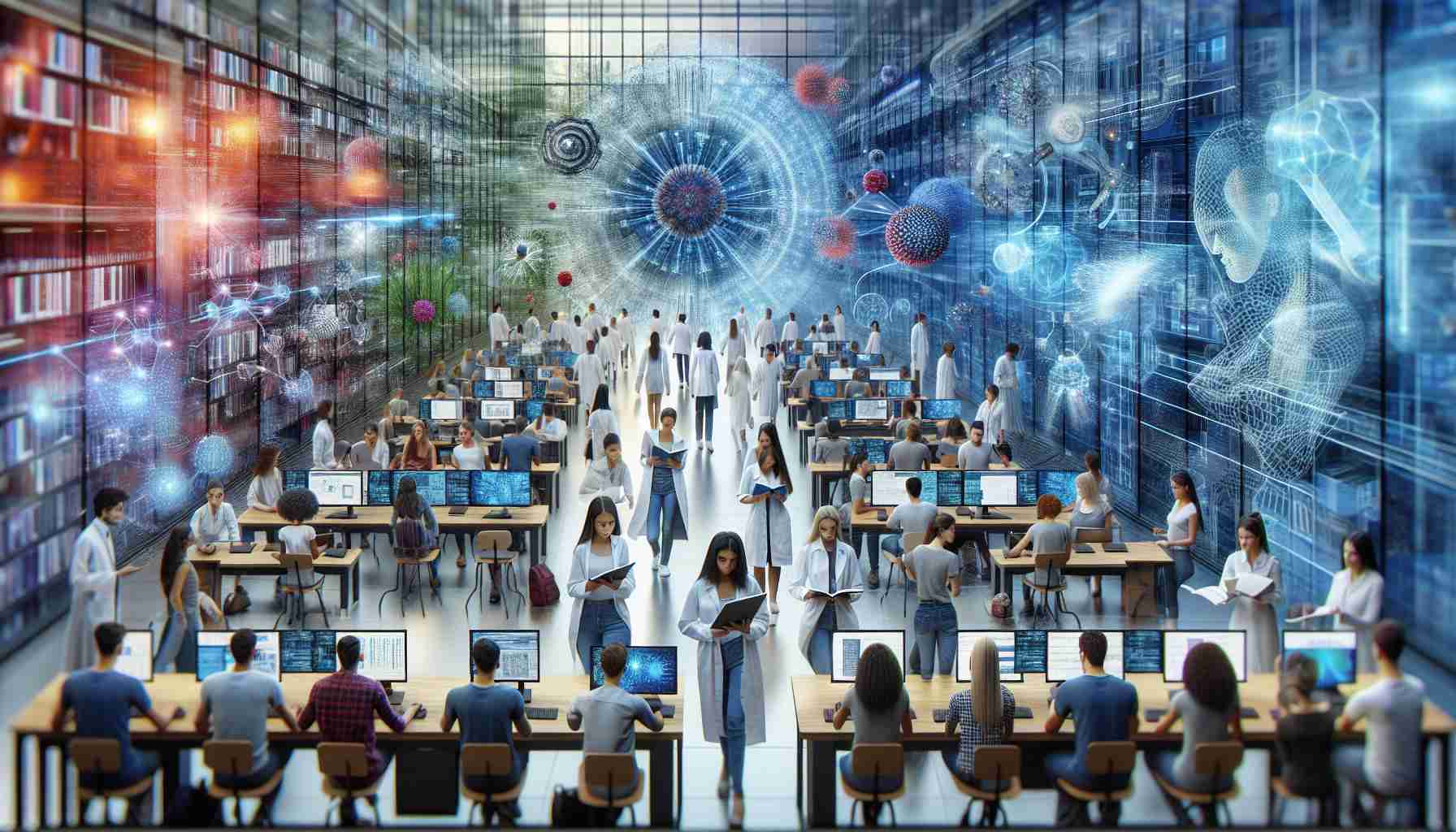
Successful interdisciplinary programs exemplify how universities can prepare students for real-world challenges. For instance, the NSF-funded project at the College of William and Mary focuses on team science training for graduate students in coastal and estuarine sciences. This initiative equips students with essential collaboration skills, emphasizing real-world problem-solving in complex environments. Similarly, Texas A&M University’s transdisciplinary research initiative integrates knowledge from various fields, preparing engineering students to address interconnected challenges. These programs not only enhance students’ technical proficiency but also cultivate leadership skills that are increasingly sought after in the job market.
Moreover, the integration of data science into STEM doctoral curricula, as seen in Duke University’s initiative, highlights the importance of professional readiness. By incorporating data science skills into their training, doctoral students are better equipped to apply these competencies in their research and future careers. This cross-training approach sets a precedent for other universities, demonstrating the value of interdisciplinary education in fostering employability.
The interdisciplinary focus also promotes diversity and inclusion within STEM fields. By creating collaborative environments, universities can encourage participation from underrepresented groups, leading to a richer talent pool. This is particularly important as the demand for diverse perspectives in problem-solving becomes more pronounced in today’s globalized workforce.
As universities like William & Mary and others across the nation continue to develop interdisciplinary programs, they are not only enhancing student career readiness but also positioning themselves as leaders in addressing the complex challenges of the modern world. The integration of disciplines such as computer science, data science, and applied sciences prepares graduates to navigate the intricacies of a data-driven economy, ultimately enhancing their employability and impact in their respective fields. The ongoing evolution of higher education in this direction reflects a broader recognition of the need for adaptable, skilled professionals who can thrive in an increasingly interconnected and data-centric landscape.
Trends in Higher Education: The Rise of Computing and Data Science Programs
The rapid growth of computing and data science programs in U.S. universities reflects a significant shift in higher education, driven by both student interest and workforce demands. The establishment of new academic units, such as William & Mary’s School of Computing, Data Sciences & Physics, is emblematic of this trend. With a staggering 206% increase in graduates from computing and data science fields over the past decade, universities are responding to a clear signal from students eager to enter these high-demand areas. The National Center for Education Statistics reported an astonishing 968% increase in data science bachelor’s degrees awarded from 2020 to 2022, underscoring the urgency for institutions to adapt their offerings.
The job market projections further illuminate the necessity for this expansion. The U.S. Department of Labor anticipates a 36% growth in data science jobs over the next decade, significantly outpacing growth in other fields. This surge in demand is not limited to traditional tech roles; data science graduates are finding opportunities across various sectors, including healthcare, finance, and logistics. The versatility of a data science degree appeals to students, allowing them to align their studies with personal interests while preparing for lucrative job opportunities. For instance, institutions like Saint Peter’s University have expanded their data science programs from one to eight, reflecting the explosive demand from students and employers alike.
Moreover, the interdisciplinary nature of data science is attracting a diverse group of students, including a higher percentage of female students compared to other STEM fields. This trend is crucial as it fosters a more inclusive environment in academia, allowing students to pursue their passions while entering a high-demand field. The cross-disciplinary focus of data science programs enables students to integrate knowledge from various domains, enhancing their employability and adaptability in a rapidly changing job market.
Artificial intelligence (AI) is playing a pivotal role in shaping these programs. As universities integrate AI into their curricula, they are not only preparing students for current job market needs but also equipping them to contribute to the evolution of AI technologies. Institutions like the University of Texas at San Antonio are proactively launching new colleges dedicated to AI, cybersecurity, computing, and data science, ensuring that students are well-prepared for the demands of industries increasingly influenced by AI. The emphasis on AI competency is becoming essential, with projections indicating a 27% increase in AI and data science jobs in Texas alone over the next decade.
To meet these evolving industry needs, universities are adapting their curricula to incorporate AI and data science principles. For example, Duke University is integrating data science skills into its STEM doctoral curriculum, enhancing students’ professional readiness. This approach not only prepares students for their immediate career paths but also fosters a culture of innovation and collaboration across disciplines. The National Science Foundation’s emphasis on interdisciplinary collaboration in STEM research further supports this trend, highlighting the importance of equipping students with the skills necessary to tackle complex global challenges.
As the landscape of higher education continues to evolve, the integration of AI and data science into academic programs is not merely a response to student interest; it is a strategic imperative for universities aiming to remain competitive and relevant. The ongoing efforts to enhance research opportunities, increase grant funding, and expand doctoral program enrollment are critical components of this transformation. Institutions that embrace these changes will not only prepare their students for successful careers but also contribute to the advancement of knowledge and innovation in an increasingly data-driven world.
The Role of University Leadership in Shaping Academic Programs
The appointment of Douglas Schmidt as the inaugural dean of William & Mary’s new School of Computing, Data Sciences & Physics exemplifies the critical role that university leadership plays in driving academic innovation and research initiatives, particularly in rapidly evolving fields such as artificial intelligence (AI) and data science. Schmidt’s extensive background in both academia and government positions him uniquely to lead this new academic unit, which aims to integrate various disciplines to better prepare students for a data-driven world. His vision for the school includes enhancing research opportunities, increasing grant funding, and expanding doctoral program enrollment, all of which are essential for fostering an environment conducive to innovation.
Effective leadership in universities is increasingly vital as institutions navigate the complexities of modern education. The establishment of interdisciplinary programs, like the one Schmidt will oversee, reflects a growing recognition of the need for collaboration across different fields of study. This approach not only enriches the educational experience but also equips students with the diverse skill sets required to tackle multifaceted challenges in the workforce. As industries demand professionals who can integrate knowledge from various domains, university leaders must prioritize the development of interdisciplinary curricula that reflect these needs.
However, the path to achieving such integration is fraught with challenges. University leaders must contend with limited resources, the need for faculty buy-in, and the necessity of aligning academic programs with industry demands. Schmidt’s role will involve not only unifying the four disciplines within his school but also fostering collaboration with existing departments, such as biology and chemistry, to create a cohesive academic environment. This collaborative spirit is essential for enhancing research initiatives and ensuring that students are well-prepared for careers in fields that are increasingly influenced by AI and data science.
Moreover, the evolving educational landscape necessitates that university leaders actively seek partnerships with industry and government to secure research funding and create opportunities for students. Schmidt’s experience in the U.S. Department of Defense, where he advised on operational test and evaluation, provides him with insights into how academic institutions can engage with governmental bodies to enhance their research capabilities. By leveraging such connections, universities can access vital resources that support innovative research and development initiatives.
The demand for data science and AI expertise is surging, as evidenced by the significant growth in student interest in these fields. Schmidt’s appointment comes at a time when U.S. colleges are rapidly expanding their data science programs to meet workforce needs, with a reported 968% increase in data science bachelor’s degrees awarded from 2020 to 2022. This trend underscores the importance of university leadership in responding to market demands and ensuring that academic programs remain relevant and impactful.
In addition to addressing workforce needs, university leaders must also consider the ethical implications of integrating AI into educational frameworks. As AI technologies continue to evolve, the potential for bias and ethical dilemmas becomes a pressing concern. Schmidt’s leadership will be crucial in establishing guidelines that promote responsible AI use in research and education, ensuring that students are not only skilled in technical competencies but also equipped to navigate the ethical challenges that accompany these advancements.
In conclusion, the appointment of Douglas Schmidt as dean of the new School of Computing, Data Sciences & Physics at William & Mary highlights the pivotal role of university leadership in shaping academic programs and research initiatives. As universities adapt to the demands of a data-driven world, effective leaders like Schmidt will be instrumental in fostering interdisciplinary collaboration, securing research funding, and addressing the ethical implications of emerging technologies. The challenges and opportunities faced by university leaders in this evolving landscape will ultimately determine the future of higher education and its ability to prepare students for impactful careers in an increasingly complex global environment.
Conclusion: The Future of Computing and Data Sciences at William & Mary and Beyond
The establishment of the School of Computing, Data Sciences & Physics at William & Mary, under the leadership of Douglas Schmidt, represents a significant step forward in higher education, particularly in the context of interdisciplinary learning. This new academic unit is designed to prepare students for a rapidly evolving job market that increasingly demands expertise in data-driven fields. By integrating computer science, data science, applied science, and physics, the school aims to cultivate a comprehensive educational experience that equips students with the diverse skill sets necessary for success in various industries.
The importance of interdisciplinary education cannot be overstated, especially as the demand for professionals who can navigate complex challenges across multiple domains continues to rise. As highlighted by the National Science Foundation, interdisciplinary collaboration in STEM fields fosters innovation and enhances the educational experience, preparing graduates to tackle multifaceted issues in a global context. This approach not only enriches students’ learning but also promotes diversity and inclusion, creating a more equitable future for science and technology.
University leadership plays a crucial role in fostering such innovative educational initiatives. Schmidt’s extensive background in both academia and government positions him uniquely to guide the new school toward becoming a nationally recognized leader in inclusive and innovative teaching and research. His vision for the school emphasizes the importance of collaboration, research opportunities, and grant funding, all of which are essential for advancing the university’s mission and enhancing student readiness for the workforce.
Looking ahead, the future of computing and data sciences in higher education appears promising yet challenging. As technology continues to advance at an unprecedented pace, universities must adapt their curricula and research initiatives to meet the evolving needs of the job market. The integration of artificial intelligence and other emerging technologies into academic programs will be vital in preparing students for careers that may not yet exist. Institutions like William & Mary, with their commitment to interdisciplinary education and innovative leadership, are well-positioned to lead this transformation, ensuring that graduates are not only knowledgeable but also adaptable and ready to contribute meaningfully to society.
Reference:
Douglas Schmidt Appointed Inaugural Dean of William & Mary’s New School of Computing, Data Sciences & Physics
Interdisciplinary Collaboration in STEM: A Pathway to Innovation and Inclusion
Data Science Major Takes Off Across College Campuses
Texas Higher Education Institutions Prepare for AI Integration
Exploring the Impact of Artificial Intelligence on Higher Education: Ethical, Social, and Educational Implications
Purdue University and India Strengthen 125-Year Relationship to Drive Partnership
Project 2025 Threatens U.S. Global Leadership in Higher Education
Duke University Celebrates Historic Fundraising and Alumni Engagement in Its Centennial Year
Penn State Alumni Association Launches $20,000 Matching Gift for Renaissance Fund
Understanding Artificial Intelligence: Key Concepts and Applications
NVIDIA GTC 2024: Keynote by Jensen Huang to Showcase Innovations in AI and Robotics