
Introduction: The Transformative Journey of Nursing Students
Nursing education is a critical component of the healthcare system, particularly in specialized fields such as labor and delivery. The experiences of nursing students in these high-stakes environments are not only formative for their professional development but also essential for improving healthcare outcomes. At institutions like the University of Virginia (UVA), nursing students are gaining invaluable hands-on clinical experience in labor and delivery units, which is increasingly rare in nursing programs that are cutting back on clinical hours. This practical exposure allows students to engage directly with patients and families during some of the most significant moments of their lives—the birth of a child.
For students like Elissa Hoyt and Katie Jorgensen, their time in the labor and delivery unit has been transformative. Initially apprehensive about the intensity of the environment, Hoyt found her passion ignited through direct involvement in the care of mothers and newborns. Such experiences are crucial for emotional and professional growth, as they challenge students to confront real-world scenarios that require quick thinking, empathy, and clinical skills. The ability to witness a variety of births, including high-risk cases, equips these future nurses with the knowledge and confidence necessary to excel in their careers.
Moreover, the diversity of patients encountered in these settings enriches the learning experience. Jorgensen’s interaction with a Spanish-speaking mother highlights the importance of cultural competence in nursing. As healthcare becomes increasingly diverse, the ability to communicate effectively with patients from various backgrounds is essential for providing quality care. This exposure not only prepares nursing students to meet the needs of a diverse patient population but also fosters a deeper understanding of the social determinants of health that can impact maternal and infant outcomes.
The implications of these experiences extend beyond individual career paths; they have the potential to influence healthcare outcomes on a broader scale. Research indicates that nurses with extensive clinical training are associated with lower patient mortality rates and better overall patient outcomes. As nursing students like Hoyt and Jorgensen transition into their professional roles, the skills and insights gained during their training will be vital in addressing the challenges faced in maternal and child health, particularly in light of ongoing disparities in healthcare access and outcomes.
In summary, the hands-on clinical experiences that nursing students receive in specialized fields such as labor and delivery are foundational to their development as healthcare professionals. These experiences not only shape their careers but also play a significant role in enhancing the quality of care provided to patients, ultimately contributing to improved health outcomes in the communities they serve.
The Impact of Hands-On Clinical Experience in Nursing Education
The significance of hands-on clinical experience in nursing education cannot be overstated, particularly in specialized areas such as labor and delivery. As highlighted by the experiences of nursing students at the University of Virginia, practical training in real-world settings is essential for developing the skills and confidence necessary to navigate the complexities of patient care. Elissa Hoyt and Katie Jorgensen, both third-year nursing students, have found their calling in the labor and delivery unit, where they engage in direct patient care, observe various birth scenarios, and assist in critical situations. This immersive experience not only enhances their learning but also prepares them for the challenges they will face as registered nurses.
Hands-on clinical experience serves as a bridge between theoretical knowledge and practical application. In traditional nursing education, students often spend significant time in classrooms learning about medical theories, anatomy, and patient care protocols. However, without the opportunity to apply this knowledge in a clinical setting, students may struggle to translate their learning into effective practice. The labor and delivery unit provides a unique environment where students can witness the realities of childbirth, understand the emotional and physical needs of mothers and newborns, and develop critical thinking skills in high-pressure situations. This experiential learning is crucial for fostering competent and compassionate healthcare providers.
Moreover, the increasing trend of online RN to BSN programs presents both opportunities and challenges for nursing education. While these programs offer flexibility and accessibility for working nurses seeking to advance their education, they often lack the extensive hands-on clinical components that are vital for developing practical skills. As the healthcare landscape evolves, it is essential for nursing programs to strike a balance between theoretical coursework and practical training. Online programs can incorporate virtual simulations and interactive modules to enhance learning, but they cannot fully replicate the invaluable experience gained from direct patient interaction in clinical settings.
The importance of hands-on experience is further underscored by the growing body of research linking nursing education to patient outcomes. Studies have shown that nurses with a Bachelor of Science in Nursing (BSN) degree, which often includes more clinical hours than associate degree programs, are associated with lower patient mortality rates and better overall patient care. This correlation highlights the need for nursing programs to prioritize clinical training, particularly in high-stakes areas like labor and delivery, where the stakes are incredibly high for both mothers and infants.
In addition to enhancing clinical skills, hands-on experience in labor and delivery units also prepares nursing students to address the diverse needs of patients. The University of Virginia’s labor and delivery unit serves a varied patient population, allowing students to engage with families from different backgrounds and cultures. This exposure is critical for developing cultural competence, which is increasingly recognized as a vital component of effective patient care. As nursing students like Hoyt and Jorgensen assist patients from diverse backgrounds, they learn to navigate language barriers, cultural differences, and unique patient needs, ultimately leading to more equitable and effective healthcare delivery.
However, the challenges faced by nursing students in labor and delivery units cannot be overlooked. The ongoing staffing shortages in healthcare, exacerbated by the COVID-19 pandemic, have led to increased pressure on nursing students and professionals alike. Many hospitals are struggling to maintain adequate staffing levels, which can impact the quality of clinical education and the overall learning experience for students. As nursing programs adapt to these challenges, it is crucial to ensure that students still receive the hands-on training necessary to prepare them for their future careers.
In conclusion, the integration of hands-on clinical experience in nursing education, particularly in labor and delivery units, is essential for developing competent, compassionate, and culturally aware healthcare professionals. As nursing education continues to evolve, it is imperative that programs maintain a strong emphasis on practical training while also embracing innovative approaches, such as online learning and virtual simulations. By doing so, nursing schools can better prepare their graduates to meet the demands of the healthcare industry and ultimately improve patient outcomes.
Challenges Faced by Nursing Students in Labor and Delivery Units
Nursing students training in labor and delivery units face a myriad of challenges that can significantly impact their education and future careers. One of the most pressing issues is the persistent racial disparities in maternal and infant health, which have been exacerbated by systemic factors such as racism and socioeconomic inequities. A recent report by KFF highlights that Black, American Indian, Alaska Native, and Native Hawaiian or Pacific Islander women experience pregnancy-related mortality rates over three times higher than their White counterparts. This alarming statistic underscores the critical need for nursing students to be educated in a manner that not only prepares them for clinical excellence but also equips them to address these disparities in their future practice.
The emotional toll of working in high-stakes environments like labor and delivery units cannot be overstated. Nursing students often encounter traumatic situations, including complications during childbirth and the loss of infants, which can lead to significant emotional distress. The intensity of these experiences can be overwhelming, particularly for those who are still in training. As they navigate these challenges, students must also develop resilience and coping strategies to manage their emotional well-being while providing compassionate care to patients and families during some of the most vulnerable moments of their lives.
Moreover, staffing shortages in healthcare facilities pose another significant challenge for nursing students. The ongoing crisis, exacerbated by the COVID-19 pandemic, has led to increased workloads for existing staff and limited opportunities for students to gain hands-on experience. In many cases, nursing students find themselves in understaffed units, where they are expected to perform at high levels despite the lack of support. This situation not only affects their learning experience but also raises concerns about patient safety and quality of care. The closure of labor and delivery units, particularly in rural areas, further complicates the landscape, leaving many students without access to essential training opportunities.
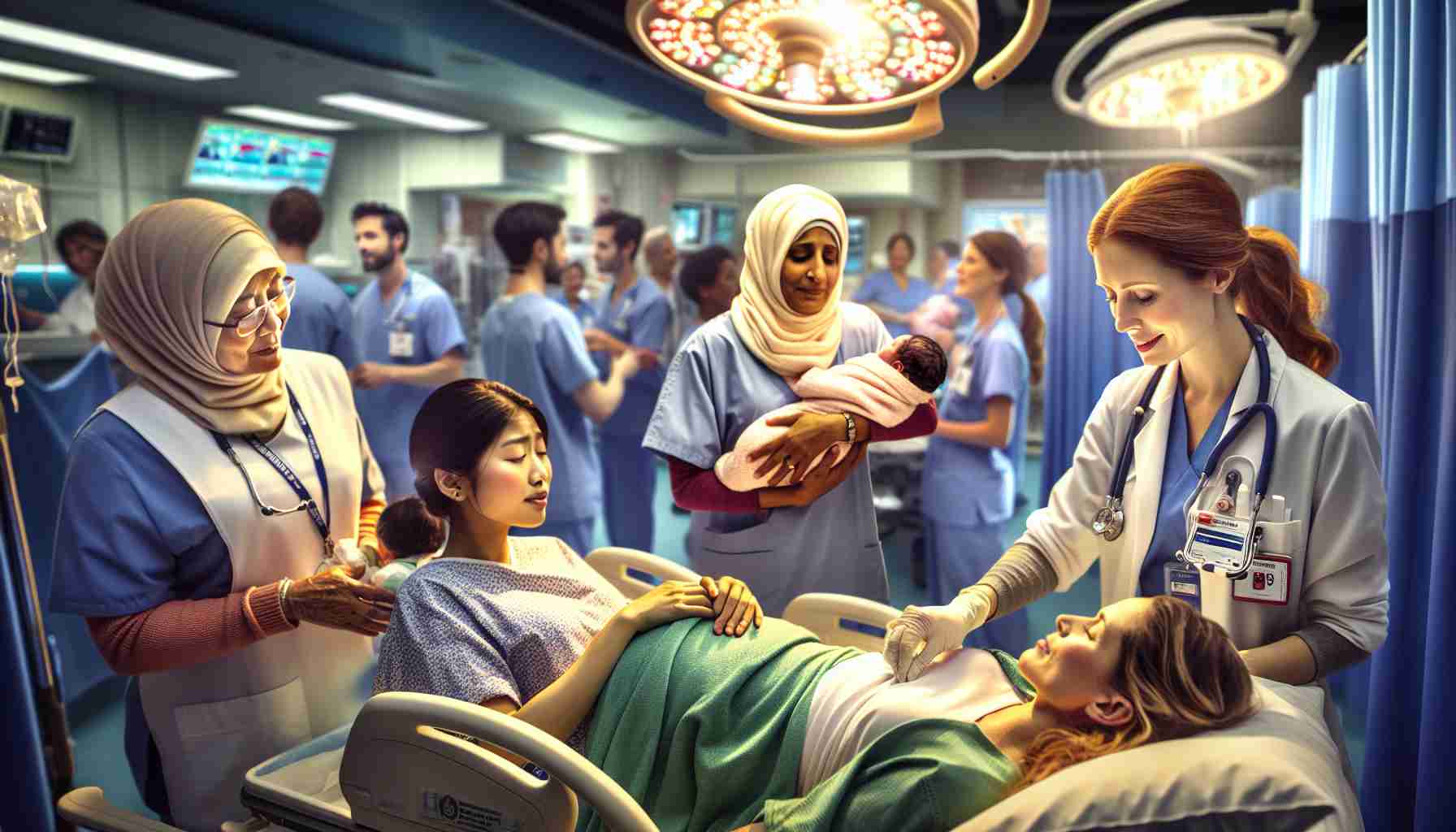
The intersection of these challenges highlights the need for nursing education programs to adapt and evolve. As nursing students like Elissa Hoyt and Katie Jorgensen at the University of Virginia express their passion for labor and delivery nursing, it is crucial that their training includes a strong emphasis on cultural competence and the social determinants of health. By understanding the broader context of maternal and infant health disparities, nursing students can be better prepared to advocate for their patients and contribute to systemic change within the healthcare system.
Recent initiatives aimed at diversifying the healthcare workforce and increasing access to culturally competent care are essential steps in addressing these challenges. Programs that support the training of doulas and community health workers can provide critical support to pregnant individuals, particularly in underserved areas. Additionally, efforts to enhance mentorship and support within nursing programs can help students navigate the complexities of their training and prepare them for the realities of working in labor and delivery units.
As nursing education continues to evolve, it is imperative that institutions prioritize the integration of hands-on clinical experiences, emotional support, and a focus on addressing health disparities. By doing so, they can better prepare the next generation of nurses to meet the challenges of labor and delivery nursing and improve outcomes for mothers and infants across diverse populations.
The Role of Diversity in Patient Care and Nursing Education
The importance of diversity in nursing education cannot be overstated, particularly in the context of improving health outcomes for marginalized communities. A diverse nursing workforce is essential for delivering culturally competent care, which is increasingly recognized as a critical factor in addressing health disparities. Research has shown that patients often feel more comfortable and understood when cared for by healthcare providers who share similar backgrounds or experiences. This connection can lead to better communication, increased trust, and ultimately, improved health outcomes.
In labor and delivery settings, where the stakes are particularly high, the need for diversity is even more pronounced. For instance, Black, American Indian, and other minority women face significantly higher rates of maternal mortality compared to their white counterparts. This disparity is not merely a reflection of individual health choices but is deeply rooted in systemic issues such as racism, socioeconomic inequities, and inadequate access to quality healthcare. By fostering a nursing workforce that reflects the diversity of the patient population, healthcare institutions can better address these disparities and provide care that is sensitive to the cultural and social contexts of their patients.
Initiatives aimed at increasing diversity within nursing programs are crucial in this regard. Many universities are implementing targeted recruitment strategies to attract students from underrepresented backgrounds. For example, scholarship programs and mentorship opportunities can help alleviate financial barriers and provide support for minority nursing students. These efforts not only enhance the educational experience for all students but also contribute to a more inclusive healthcare environment.
Moreover, culturally competent care in labor and delivery settings can significantly impact maternal and infant health outcomes. Training nursing students to understand and respect cultural differences equips them to provide care that is not only clinically effective but also empathetic and respectful. This is particularly important in labor and delivery, where the emotional and physical well-being of both the mother and the newborn is at stake. For instance, nursing students at the University of Virginia have had the opportunity to work with diverse patient populations, allowing them to gain firsthand experience in providing care that meets the unique needs of each family. Such experiences are invaluable in preparing future nurses to navigate the complexities of patient care in a multicultural society.
The integration of diversity into nursing education also aligns with broader healthcare initiatives aimed at reducing health disparities. The Biden-Harris Administration’s Blueprint for Addressing the Maternal Health Crisis emphasizes the need for a diverse healthcare workforce as a key strategy in improving maternal health outcomes. By prioritizing diversity in nursing education, we can ensure that future nurses are not only equipped with the necessary clinical skills but also the cultural competence required to serve all patients effectively.
In conclusion, the push for diversity in nursing education is not just a matter of representation; it is a vital component of improving health outcomes for marginalized communities. As nursing programs continue to evolve, the emphasis on inclusive educational practices will play a crucial role in shaping a healthcare workforce that is prepared to meet the diverse needs of the population it serves. By investing in diversity, we are investing in the future of healthcare, ensuring that all patients receive the quality care they deserve.
Future Career Paths for Nursing Graduates in Maternal and Child Health
Nursing graduates specializing in maternal and child health have a wealth of career paths available to them, particularly in the fields of nurse-midwifery and psychiatric-mental health nursing. The growing demand for qualified professionals in these areas is underscored by alarming statistics regarding maternal and infant health, especially in states like Alabama, which has some of the highest mortality rates in the nation. Programs like the Master of Science in Nursing (MSN) Nurse-Midwifery Pathway at the University of Alabama at Birmingham (2025 USNews Ranking: 136) (UAB) are crucial in addressing these issues. The program not only prepares graduates to provide essential care during childbirth but also emphasizes the importance of community health and the need for compassionate practitioners who can make a significant impact in their local healthcare systems.
Nurse-midwives play a vital role in improving maternal health outcomes by offering comprehensive care that includes prenatal, delivery, and postnatal services. Their training equips them to handle a variety of situations, from routine births to high-risk pregnancies, thereby enhancing the quality of care available to mothers and infants. As highlighted by UAB’s commitment to this pathway, the integration of nurse-midwifery into the healthcare system is essential for reversing negative trends in maternal and infant health. Graduates from such programs are not only prepared to work in hospitals but can also serve in community health settings, providing culturally competent care that addresses the unique needs of diverse populations.
In addition to nurse-midwifery, the field of psychiatric-mental health nursing is gaining recognition for its importance in holistic patient care. The recent appointment of Kate Tarpey Balsamo as the program director for Seton Hall University‘s MSN in Psychiatric-Mental Health Nurse Practitioner program reflects the increasing emphasis on mental health within nursing education. Balsamo’s focus on integrating mental health care into overall patient well-being highlights the critical need for practitioners who can address both physical and mental health issues. This dual approach is particularly relevant in maternal and child health, where mental health challenges can significantly impact outcomes for both mothers and their children.
The demand for skilled professionals in these specialties is further amplified by the ongoing challenges faced by the healthcare system, including staffing shortages and the need for culturally competent care. As nursing programs adapt to these challenges, mentorship and support systems become increasingly vital. Experienced nurses and educators play a crucial role in guiding new graduates through their career choices, helping them navigate the complexities of their chosen specialties. Programs that foster mentorship not only enhance the educational experience but also contribute to the retention of nurses in the field, ensuring that they are well-prepared to meet the demands of their roles.
Moreover, the importance of mentorship extends beyond initial career choices. As new nurses transition into their roles, ongoing support from seasoned professionals can help them build confidence and competence in their practice. Organizations like the Graduate Nursing Student Academy (GNSA) at the University of Maryland emphasize the value of mentorship and professional development, providing resources and networking opportunities that empower nursing students to become future leaders in healthcare. By fostering a culture of support, nursing programs can help graduates thrive in their careers, ultimately leading to improved patient care and health outcomes.
As the landscape of nursing continues to evolve, the integration of specialized training in maternal and child health, along with robust mentorship programs, will be essential in preparing the next generation of nurses. The commitment to addressing the pressing needs in these areas not only enhances the educational experience for nursing students but also ensures that they are equipped to make a meaningful impact in the lives of the families they serve.
Conclusion: Shaping the Future of Nursing Through Education and Experience
The experiences of nursing students at the University of Virginia (UVA) in the Labor and Delivery Unit exemplify the profound impact that hands-on clinical training can have on aspiring healthcare professionals. Elissa Hoyt and Katie Jorgensen, both third-year nursing students, have found their passion for labor and delivery nursing through direct involvement in the birthing process, which is increasingly rare in nursing education due to the reduction of clinical hours in many programs. Their commitment to spending eight-hour shifts each week in a high-stakes environment not only enhances their clinical skills but also deepens their understanding of maternal and child health care.
The significance of hands-on experience cannot be overstated. As highlighted by Jennifer Kastello, an assistant professor at UVA, the opportunity to observe and participate in various types of deliveries equips students with invaluable insights that theoretical learning alone cannot provide. This practical exposure is essential for developing the competencies required to navigate the complexities of patient care in labor and delivery settings. Moreover, the diversity of patients at UVA Health enriches the students’ learning experiences, allowing them to engage with families from different backgrounds and cultures, which is crucial in today’s healthcare landscape.
However, the journey of nursing students is not without challenges. The persistent racial disparities in maternal and infant health, as reported by KFF, underscore the urgent need for a diverse nursing workforce that can address these inequities. The experiences of Hoyt and Jorgensen, particularly in caring for patients from varied backgrounds, highlight the importance of cultural competence in nursing education. By fostering an inclusive environment, nursing programs can better prepare students to meet the needs of all patients, ultimately leading to improved health outcomes.
Mentorship also plays a critical role in shaping the future of nursing. Programs that connect students with experienced nurses can provide guidance and support, helping them navigate the complexities of their chosen specialties. The Graduate Nursing Student Academy (GNSA) at the University of Maryland exemplifies this approach by offering mentorship opportunities and resources that empower nursing students to become leaders in healthcare. Such initiatives are vital in ensuring that the next generation of nurses is well-equipped to tackle the challenges of an evolving healthcare system.
As nursing education continues to adapt to the changing landscape, it is imperative to advocate for enhanced clinical training, diversity, and mentorship. The transformative journeys of students like Hoyt and Jorgensen not only reflect their personal growth but also their potential to make a significant impact on healthcare. By prioritizing these elements, we can ensure that future generations of nurses are prepared to provide compassionate, competent care to all patients, ultimately contributing to a healthier society.
Reference:
UVA Nursing Students Discover Passion in Labor and Delivery Unit
How Online RN to BSN Programs are Transforming Nursing Education
Addressing Racial Disparities in Maternal and Infant Health in the U.S.
Texas Nurses Use Music to Teach CPR Effectively
Shaping Future Healthcare: The Path to Becoming a Nurse Educator
Looking Back to Get Ahead: Lessons for the Next Generation of Nurses
UAB Celebrates First Graduating Cohort of MSN Nurse-Midwifery Pathway
Mental Health Advocate Leads In-Demand M.S.N. Program at Seton Hall University
The Importance of Choosing the Right Nursing Specialty
Graduate Nursing Student Academy (GNSA) Empowers Future Healthcare Leaders