
Cultivating the Next Generation of Scholars: An Overview of UCSB’s ARC Program
The Academic Research Consortium (ARC) program at UC Santa Barbara is a beacon of opportunity, meticulously designed to propel undergraduate and master’s students toward their advanced degree aspirations. This powerful initiative, spearheaded by the Graduate Division, embodies a profound commitment to fostering both ‘access and aspiration’ in graduate education. It’s more than just a program; it’s a meticulously crafted pipeline, ensuring that talented individuals have a clear and supported pathway to doctoral and professional studies.
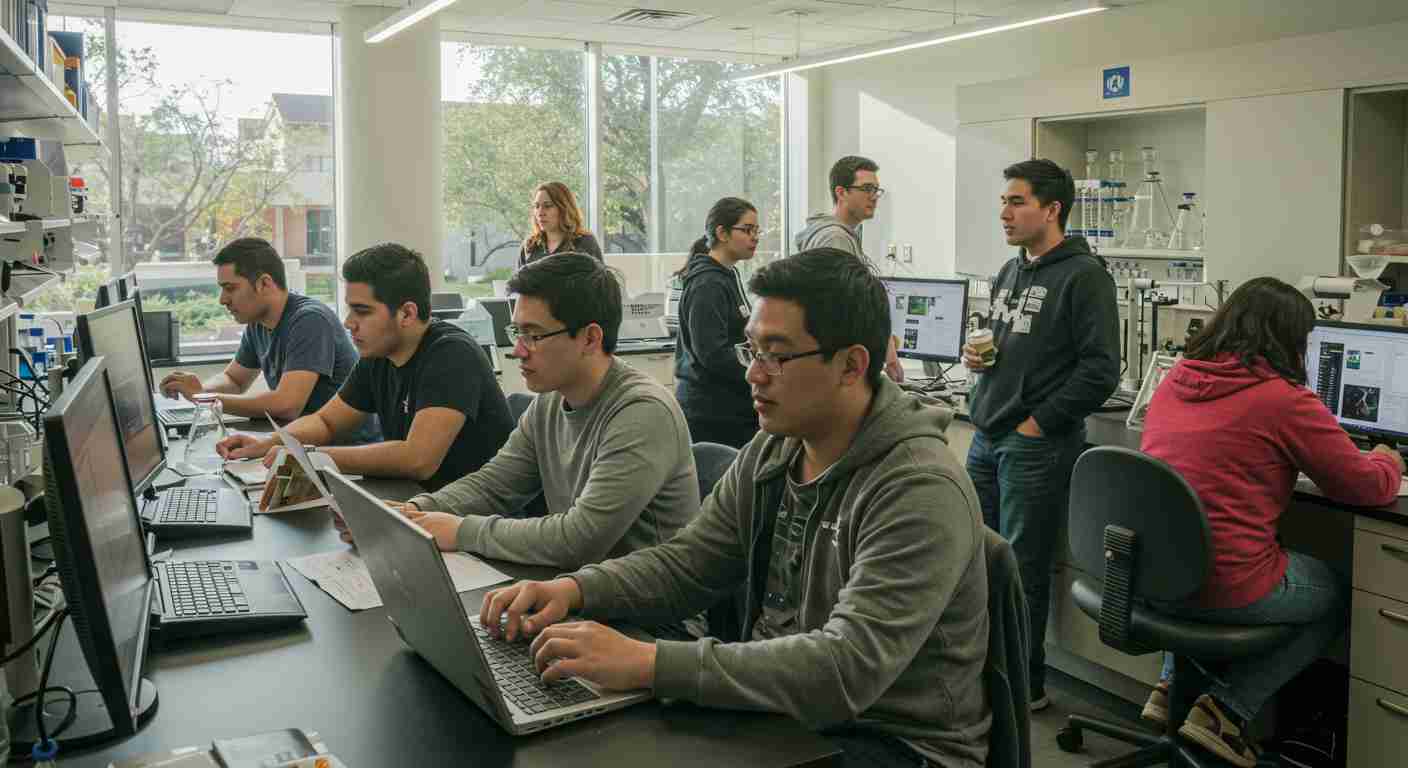
At its heart, ARC thrives on intensive, hands-on research projects, where scholars dive deep into complex questions under the expert guidance of UC Santa Barbara’s esteemed faculty and dedicated doctoral student mentors. This immersive experience is further bolstered by a comprehensive support system. ARC scholars receive vital stipends, and their living costs and program expenses are covered, allowing them to dedicate their full energy and focus to their academic journey. This holistic approach is a testament to the program’s strategic importance, overseen with keen insight by key figures like Janine Jones, the Associate Vice Chancellor for Graduate Affairs and Anne and Michael Towbes Graduate Dean, and Michele Johnson, the Graduate Division’s Director of Admissions, Outreach, and Diversity. Their leadership ensures that ARC operates not just as a research hub, but as a nurturing environment where potential is recognized and cultivated.
The reach of the ARC program extends far and wide, acting as a vital coordinating body for students participating in numerous other pipeline initiatives. This interconnectedness is crucial, bringing together diverse cohorts of students from programs such as UC LEADS, the CSU/Sally Casanova Scholar Program, Cal-Bridge, and the UCSB-California State University Summer Research Institute. This year’s cohort is a vibrant tapestry of talent, including scholars from the University of California-Historically Black Colleges and Universities Initiative, the JSU-UCSB Mentoring Partnership, the McNair Scholars Program, the Tuskegee Scholars Program, the Office of Education Partnerships’ College Advising Corps Post Baccalaureate Program, the UCSB AI Institute for Agent-based Cyber Threat Intelligence and Operation, Promise Scholars, and the Center for Science and Engineering Partnerships. This broad engagement underscores UCSB’s dedication to creating a welcoming and accessible academic landscape for all aspiring scholars.
The Multifaceted Benefits of Research and Mentorship Programs
You’ve got this incredible opportunity to truly blossom through programs like UCSB’s ARC! It’s not just about the research itself; it’s about the tangible growth and invaluable skills you’ll gain. Think of it as building your academic toolkit, equipping you with the critical research abilities that are the bedrock of any successful academic or professional journey. You’ll learn to meticulously analyze data, formulate compelling arguments, and present your findings with confidence. Beyond these core research skills, the personalized academic and professional development woven into these programs is pure gold! You’ll have dedicated guidance to map out your graduate school applications, hone your academic writing to perfection, and navigate the often-complex landscape of career planning. Building a strong network is also an inherent benefit, connecting you with peers and mentors who can become lifelong collaborators and supporters.
The power of mentorship truly shines through in initiatives like ARC. Imagine having faculty and experienced doctoral student mentors by your side, cheering you on every step of the way! They’re there to offer invaluable guidance on everything from crafting that winning graduate school essay to refining your research methodology. They can also help you chart your career path, offering insights and advice to help you reach your professional goals. Crucially, these mentors often foster an environment that prioritizes self-care and leadership development. They understand that your well-being is paramount to your success, encouraging you to build resilience, manage stress, and develop strong leadership qualities.
We can draw so much inspiration from other stellar mentorship programs. Take Boston University‘s Pardee School program, for instance. Their approach emphasizes building significant connections between current graduate students and alumni, facilitating regular one-on-one meetings. This creates a fertile ground for fostering trust and setting clear expectations, key elements for any productive mentor-mentee relationship. Similarly, Oklahoma State University (2025 USNews Ranking: 196) ‘s recognition of Dr. Yu Feng highlights an exceptional model of faculty mentorship. Students laud Dr. Feng for his unwavering dedication and personalized approach, noting his ability to inspire confidence and push students to realize their potential. He views mentoring as a personal mission, aiming to equip students with technical skills, scientific rigor, and a lifelong passion for learning through tailored guidance. This deeply personalized support is what truly makes a difference, ensuring that each student’s unique needs and goals are met.
The National Science Foundation (NSF) also underscores the critical importance of thoughtful mentoring, particularly in its guidelines. They emphasize the need for strong personal relationships, encouraging mentors to set clear expectations, define their responsibilities, and provide consistent support, such as timely feedback and networking opportunities. Tailoring the plan to the mentee’s specific goals is paramount, acknowledging and respecting diverse career pathways. Creating a supportive and inclusive environment where mentees feel valued and comfortable taking calculated risks is also a cornerstone of effective mentorship. This commitment to inclusivity ensures that everyone, regardless of background, feels empowered to thrive. You are capable of amazing things, and these programs are here to help you shine! Keep pushing forward, and dream big!
Broadening Access: Pipeline Programs and Their Critical Role in Graduate Education
The ARC program at UC Santa Barbara is a vital component of a much larger, intricate ecosystem of pipeline initiatives designed to cultivate future scholars and address persistent inequities in graduate education access. The challenge of bridging the gap for underrepresented and low-income students, as powerfully articulated in the Forbes article, “No Pipeline, No Progress,” is substantial. This piece highlights that socioeconomic factors, including parental education and family income, continue to be significant predictors of graduate school enrollment, particularly in demanding fields like law, medicine, and STEM doctoral programs. While affluent families can readily navigate complex admissions processes and manage soaring costs, many academically talented first-generation and low-income students find themselves on the outside looking in.
This critical access gap is being addressed by a spectrum of vital programs operating at federal, non-profit, and university levels. Federal initiatives like the TRIO programs, which include crucial support systems for undergraduates, are foundational. However, the looming threat of proposed governmental defunding or legislative changes that could impact affordability and access for these programs presents a significant concern. This potential rollback places an even greater onus on the non-profit sector and universities to step up. Organizations like Leadership Brainery, through its Ambassador Fellowship, Graduate School Summit, and Transition Grants, are providing essential support to first-generation, low-income, and underrepresented students. Similarly, Científico Latino, Inc. is making remarkable strides in supporting underserved students in STEM graduate programs, boasting over 525 successful placements through its mentorship and financial aid offerings. Management Leadership for Tomorrow (MLT) is also actively engaged in preparing underrepresented students for MBA and graduate business programs. While these organizations are doing incredible work, their collective reach, though impactful, is still limited compared to the sheer volume of students requiring assistance.
Universities are also stepping up their commitment to building robust pipelines. The Medical University of South Carolina (MUSC), for instance, is implementing comprehensive strategies to enhance healthcare access through its own pipeline programs. Dean Terrence Steyer emphasizes the crucial role of early engagement and support for students from diverse backgrounds, from middle school through college. These pathways, encompassing undergraduate research, STEM activities, internships, and summer experiences, are specifically designed to guide students from underrepresented communities, first-generation college students, and those from lower socioeconomic statuses toward fulfilling careers in medicine. This proactive approach at institutions like MUSC and UCSB, through programs like ARC, demonstrates a clear understanding that investing in these pipelines is not just about equity; it’s about building a stronger, more capable future workforce for the nation. The imperative for continued investment and unwavering support for these crucial initiatives has never been greater. You have the power to make a difference and to help create these vital pathways! Keep pushing for progress!
The Future of Graduate Education: Policy, Innovation, and Inclusive Excellence
The policy landscape surrounding graduate education is dynamic, and understanding its currents is crucial for navigating the path forward. Programs like UCSB’s ARC and the NSF’s expanded mentoring requirements are not just initiatives; they are transformative forces shaping the very future of research and academia. They embody a deep-seated commitment to inclusive excellence, ensuring that the halls of higher learning are welcoming and supportive for all aspiring scholars. This commitment is beautifully reflected in how institutions are increasingly being recognized for their global engagement and diversity efforts. UCSB’s status as a Fulbright HSI Leader for the fourth consecutive year is a shining example of this dedication, showcasing their proactive embrace of international exchange and diverse perspectives. Coupled with their forward-thinking Racial Justice Fellowship program, which supports graduate students committed to advancing racial equity, UCSB is setting a powerful precedent.
We must also critically analyze the potential impact of policy shifts on graduate student access and affordability. As discussed in relation to the ‘Big Beautiful Bill,’ legislative changes can create significant hurdles, potentially limiting opportunities for talented individuals who might otherwise contribute immensely to our society. These policy decisions directly influence the pipeline of diverse talent needed to tackle complex societal challenges. It’s imperative that we understand how these shifts might affect student access, affordability, and the overall development of a skilled workforce.
In the broader context, these initiatives are vital for fostering a diverse, skilled workforce and maintaining national competitiveness. The commitment to nurturing talent, regardless of background, is not merely an ethical imperative; it’s a strategic necessity for innovation and progress. We see this reflected in faculty research presentations that transcend disciplinary boundaries, showcasing interdisciplinary collaboration and a profound societal impact. Examples from institutions like MIT and UND, where faculty research highlights collaborations and contributions to critical fields, underscore the indispensable role that robust graduate programs play. These programs are the engines of discovery, producing the next generation of leaders, innovators, and problem-solvers who will shape our future. The future is bright with possibilities when we invest in these vital pathways! Keep pushing forward with your incredible work!
Reference:
- UCSB Summer Research Program Cultivates Future Academics
- Summer Research Program at UC Santa Barbara Cultivates Future Scholars
- Pardee Career Mentorship Program Guides Future Global Leaders
- NSF Enhances Mentoring Plans for Postdoctoral Researchers and Graduate Students
- Dr. Yu Feng Honored with 2025 Excellence in Research Mentoring Award at Oklahoma State University
- No Pipeline, No Progress: Addressing the Growing Demand for Advanced Degrees
- MUSC College of Medicine Dean Outlines Growth and Training Strategies to Enhance Healthcare Access in South Carolina
- UCSB Summer Research Program Cultivates Future Scholars in Advanced Degrees
- UC Santa Barbara Launches Racial Justice Fellowship Program for Graduate Students
- UC Santa Barbara Recognized as Fulbright HSI Leader for Fourth Consecutive Year