
Introduction: The Growing Need for Graduate Housing at UCLA
The opening of the Canfield Apartments at UCLA marks a significant response to the escalating demand for affordable graduate housing in Los Angeles, a city notorious for its high cost of living. As of October 1, 2024, this newly constructed 62-unit apartment building in Cheviot Hills adds 142 beds to UCLA’s housing inventory, a crucial step in addressing the pressing needs of graduate students who often find themselves navigating a fiercely competitive housing market. The Canfield Apartments are strategically located less than five miles from UCLA’s Westwood campus, making them an attractive option for students who require proximity to their academic pursuits while also seeking affordable living arrangements.
The housing landscape in Los Angeles is characterized by soaring rental prices and limited availability, which poses significant challenges for graduate students. Many of these students juggle academic responsibilities with part-time jobs, making the search for suitable housing even more daunting. The Canfield Apartments aim to alleviate some of these pressures by offering a range of living options, from studios to three-bedroom units, all fully furnished and equipped with modern amenities. This development not only provides essential housing but also fosters a sense of community among graduate students, which is vital for their overall well-being and academic success.
UCLA’s commitment to enhancing housing options is further underscored by the inclusion of five deed-restricted affordable housing units within the Canfield Apartments. This initiative ensures that a portion of the apartments remains accessible to lower-income residents at rents significantly below the market rate. Such measures are essential in a city where the average rent can be prohibitively expensive for many students. The Graduate Student Association has played a pivotal role in advocating for these affordable units, highlighting the importance of accessible housing in retaining graduate students and supporting their academic journeys.
Moreover, the location of the Canfield Apartments is particularly advantageous, as it is well-served by public transportation options, including a bus route and the Palms station of Metro’s Expo Line. This accessibility is crucial for graduate students who often rely on public transit to commute to campus and other essential destinations. The integration of convenient transportation options not only enhances the living experience for residents but also aligns with UCLA’s broader mission to provide a supportive environment for its diverse student population.
UCLA has a long-standing history of prioritizing student housing, having become the first University of California campus to guarantee housing for all undergraduates. The opening of the Canfield Apartments is a continuation of this commitment, reflecting the university’s recognition of the unique challenges faced by graduate students in an urban setting. As the demand for affordable housing continues to grow, developments like the Canfield Apartments are essential in ensuring that students have access to safe, comfortable, and affordable living arrangements.
In the context of a competitive housing market, the Canfield Apartments represent a proactive approach to addressing the needs of graduate students at UCLA. This development not only provides immediate housing solutions but also sets a precedent for future initiatives aimed at expanding affordable housing options in Los Angeles. As the university continues to grow, the implications of such developments will be critical in shaping the overall student experience and supporting academic success in an increasingly challenging environment.
The Features and Benefits of the Canfield Apartments
The Canfield Apartments, which officially opened on October 1, 2024, represent a significant addition to UCLA’s housing inventory, specifically designed to meet the needs of graduate students in the competitive Los Angeles housing market. This newly constructed 62-unit building in Cheviot Hills offers a variety of living options, ranging from studios to three-bedroom units, all fully furnished and equipped with modern amenities. Each apartment features spacious living areas, contemporary kitchens, wood-plank flooring, and in-unit laundry facilities, with many units also boasting private balconies. Such thoughtful design caters to the diverse lifestyles of graduate students, who often seek both comfort and functionality in their living spaces.
The Canfield Apartments span nearly 84,000 square feet and include a wealth of community amenities that enhance the living experience for residents. Among these are an indoor-outdoor fitness center, a coworking lounge, an Amazon locker, a conference room, and two expansive rooftop sundecks equipped with barbecues and offering stunning views of West Los Angeles, Century City, and the iconic Hollywood sign. These communal spaces not only provide opportunities for relaxation and socialization but also foster a sense of community among residents, which is particularly important for graduate students who may be new to the area or balancing rigorous academic schedules with work commitments.
Accessibility is a key feature of the Canfield Apartments, strategically located less than five miles from UCLA’s Westwood campus. The proximity to public transportation options, including a bus route and the Palms station of Metro’s Expo Line, is vital for graduate students who often juggle multiple responsibilities. The availability of a Bruin Grad Pass further facilitates easy access to campus and the surrounding areas, making it easier for students to engage in both academic and extracurricular activities.
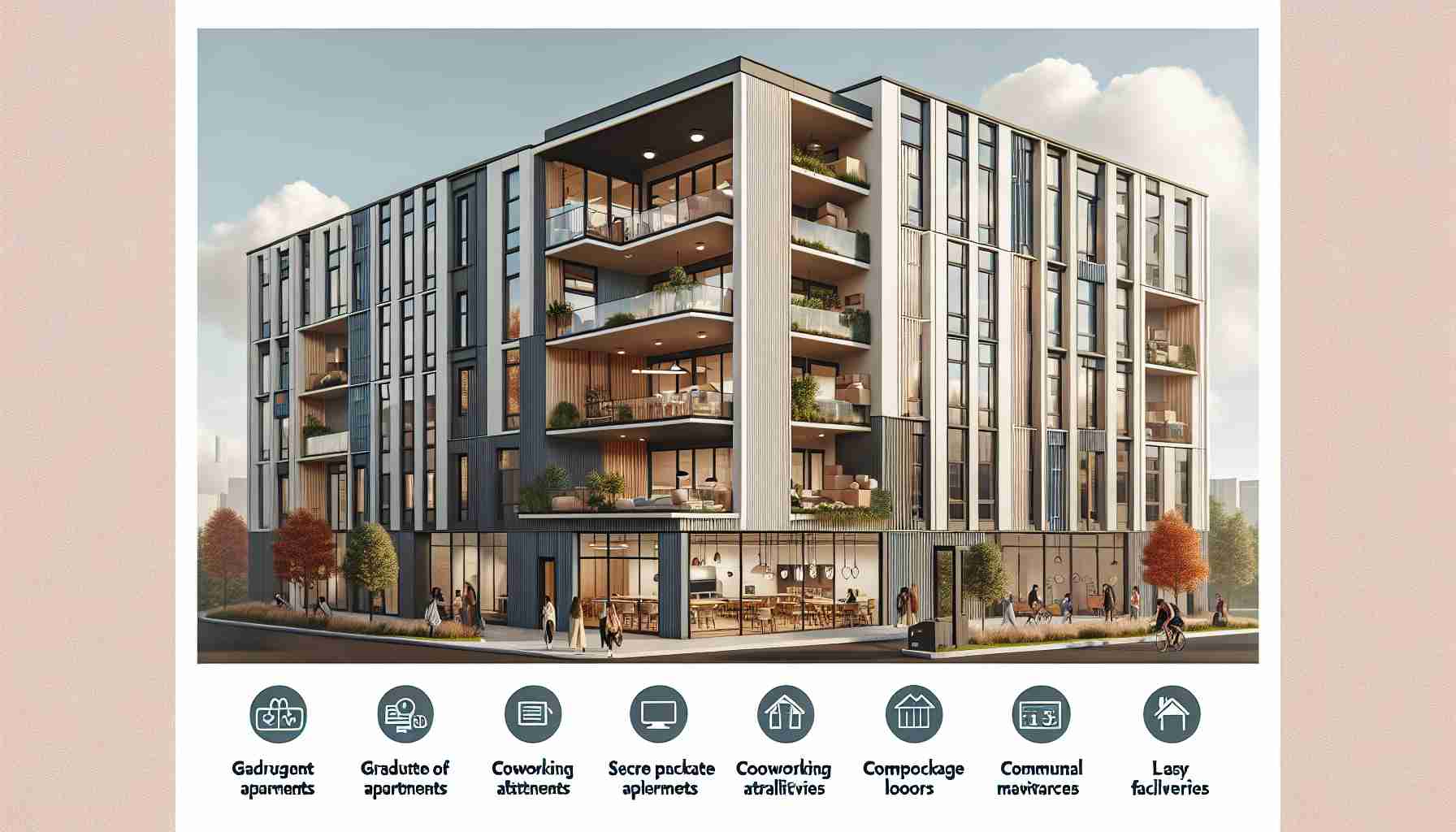
In a commendable move towards affordability, five of the apartments are designated as deed-restricted affordable housing units. This initiative ensures that these units remain accessible to lower-income residents at rents significantly below the market rate. The importance of these affordable units cannot be overstated, as they align with UCLA’s broader commitment to providing comfortable and affordable housing options for its diverse student population. The Graduate Student Association has played a crucial role in raising awareness about these affordable units, which are expected to be available for move-in by mid-fall quarter. This focus on affordability is particularly significant in a city known for its high cost of living, where many students struggle to find suitable housing within their budget.
UCLA’s commitment to enhancing housing options for students is further underscored by the words of Pete Angelis, the university’s assistant vice chancellor for housing and hospitality. He emphasized that the Canfield Apartments deal reflects UCLA’s dedication to offering comfortable and more affordable housing options for students in the competitive Los Angeles market. This initiative not only addresses the immediate housing needs of graduate students but also contributes to the university’s long-term goal of ensuring that all students have access to safe, affordable, and convenient living arrangements.
As UCLA continues to expand its housing offerings, developments like the Canfield Apartments are essential in meeting the needs of its diverse student population. By providing a range of unit types, modern amenities, and community spaces, the Canfield Apartments enhance the living experience for graduate students, fostering a supportive environment that encourages academic success and personal growth. The inclusion of deed-restricted affordable housing units further solidifies UCLA’s commitment to accessibility and affordability in student housing, ensuring that all students have the opportunity to thrive during their time at the university.
Impact on Graduate Student Retention and Satisfaction
The opening of the Canfield Apartments at UCLA represents a significant advancement in the university’s efforts to enhance graduate student housing, which could have profound implications for student retention rates and overall satisfaction. Research indicates that the quality and availability of housing directly influence students’ academic performance and well-being. By providing modern, affordable living options, UCLA is not only addressing the immediate housing crisis but also fostering an environment conducive to academic success.
A study conducted by the University of Wisconsin-Madison (2025 USNews Ranking: 39) highlights the challenges faced by students in competitive housing markets, where high occupancy rates and rising rents can lead to stress and distraction from academic pursuits. The findings suggest that when students have access to affordable and quality housing, they are more likely to focus on their studies, leading to improved academic outcomes. This aligns with the experiences of graduate students at UCLA, who often juggle rigorous academic schedules with work commitments. The Canfield Apartments, with their proximity to campus and modern amenities, are designed to alleviate some of these pressures, allowing students to thrive both academically and personally.
Rob Wasserman, a UCLA Anderson alumnus and advocate for community development, emphasizes the importance of affordable housing in creating supportive environments for students. His work in community impact finance illustrates how access to quality housing can enhance educational opportunities and overall life satisfaction. Wasserman’s insights resonate with the goals of the Canfield Apartments, which include not only providing housing but also fostering a sense of community among residents. By integrating amenities such as coworking lounges and fitness centers, UCLA is promoting a holistic approach to student life that prioritizes well-being and academic engagement.
Moreover, the strategic location of the Canfield Apartments near public transportation options further enhances their appeal. Research shows that accessibility to transit can significantly impact students’ ability to engage with campus resources and participate in extracurricular activities. This is particularly crucial for graduate students, who often have diverse commitments outside of their academic responsibilities. The availability of public transportation can reduce commuting stress and allow students to maximize their time on campus, ultimately contributing to higher retention rates.
The experience of other universities, such as those highlighted in the Madison housing market analysis, reinforces the notion that improved housing options can lead to better student outcomes. For instance, UW-Madison’s study revealed that students living in on-campus housing reported higher satisfaction levels compared to those in off-campus accommodations. This suggests that when universities invest in quality housing, they not only meet the immediate needs of their students but also create an environment that encourages academic success and community engagement.
In addition to the physical benefits of improved housing, the psychological impact cannot be overlooked. A supportive living environment can foster a sense of belonging and community among students, which is essential for their overall well-being. The Canfield Apartments’ design, which includes communal spaces and amenities, is likely to enhance social interactions among residents, thereby reducing feelings of isolation that can often accompany graduate studies. This sense of community is particularly important for graduate students, who may be navigating significant life transitions and academic pressures.
As UCLA continues to expand its housing offerings, the Canfield Apartments serve as a model for how universities can effectively address the housing needs of their graduate students. By prioritizing quality, affordability, and accessibility, UCLA is not only enhancing the living conditions for its students but also setting the stage for improved academic performance and retention rates. The positive outcomes associated with such initiatives underscore the critical role that housing plays in the overall student experience, particularly in urban environments where competition for affordable accommodations is fierce.
In conclusion, the Canfield Apartments are poised to make a meaningful impact on graduate student retention and satisfaction at UCLA. By drawing on successful housing initiatives from other universities and understanding the multifaceted benefits of quality housing, UCLA is taking significant steps toward creating a supportive and enriching environment for its graduate students.
Public Transportation Accessibility and Its Role in Student Life
The opening of the Canfield Apartments in Cheviot Hills marks a significant advancement in UCLA’s efforts to provide accessible housing for graduate students, particularly in a city like Los Angeles, where the cost of living can be prohibitively high. One of the standout features of this new housing development is its strategic location near public transportation options, which is crucial for enhancing the student experience. The proximity to the Palms station of Metro’s Expo Line and various bus routes allows students to navigate the city with ease, facilitating access not only to the UCLA campus but also to the broader Los Angeles area.
Research in urban planning consistently underscores the importance of connectivity in urban environments, particularly for students who often juggle academic responsibilities with internships, part-time jobs, and other commitments. A study published in the Journal of Urban Affairs highlights that students living in areas with robust public transportation options report higher levels of satisfaction with their overall college experience. This is largely attributed to the reduced stress of commuting and the increased opportunities for engagement in both academic and extracurricular activities. For graduate students, who may be balancing coursework with professional obligations, the ability to easily access various parts of the city can significantly enhance their educational journey.
Moreover, the Canfield Apartments’ location is not just about convenience; it also reflects a broader trend in urban housing development that prioritizes accessibility and sustainability. Urban planners advocate for developments that integrate housing with public transit systems, as this approach not only supports the needs of residents but also contributes to reducing traffic congestion and lowering carbon footprints. The Canfield Apartments exemplify this model, providing a living space that encourages students to utilize public transportation rather than relying solely on personal vehicles.
The significance of public transportation accessibility extends beyond mere convenience; it plays a vital role in fostering a sense of community among students. When students can easily travel to different neighborhoods, they are more likely to engage with diverse cultural experiences, attend events, and build networks that can be beneficial for their future careers. This is particularly important in a city like Los Angeles, known for its vibrant arts scene, professional opportunities, and rich cultural diversity. By living in a location that is well-connected to public transit, students at the Canfield Apartments can immerse themselves in the city’s offerings, enriching their academic and social lives.
Furthermore, studies have shown that graduate students who have access to reliable public transportation are more likely to participate in internships and job opportunities that may be located off-campus. This is crucial for their professional development, as real-world experience is often a key component of graduate education. The ability to commute easily to various locations can open doors to networking opportunities and career advancement, which are essential for students preparing to enter competitive job markets.
In conclusion, the Canfield Apartments’ strategic location near public transportation options is a significant factor that enhances the student experience at UCLA. By prioritizing accessibility, UCLA is not only addressing the immediate housing needs of its graduate students but also fostering an environment that supports their academic and professional growth. As urban planning continues to evolve, the integration of housing and transportation will remain a critical consideration for universities seeking to provide comprehensive support for their student populations.
Conclusion: The Future of Graduate Housing at UCLA and Beyond
The opening of the Canfield Apartments at UCLA marks a significant advancement in addressing the housing crisis faced by graduate students in Los Angeles. With 142 new beds and a commitment to affordability through deed-restricted units, UCLA is taking proactive steps to ensure that its graduate population has access to safe and comfortable living arrangements. This initiative not only alleviates some of the pressure in a notoriously competitive housing market but also reflects a broader commitment to student welfare and retention.
The implications of this development extend beyond UCLA, serving as a model for other universities grappling with similar housing challenges. As urban centers continue to experience rising living costs, institutions of higher education must prioritize affordable housing solutions to foster inclusive environments for all students. The Canfield Apartments exemplify how universities can collaborate with local communities and leverage resources to create sustainable housing options.
Continued investment in student housing, coupled with partnerships between universities and local governments, is essential for addressing the growing demand for affordable accommodations. By fostering ongoing dialogue about these issues, universities can better understand the needs of their students and develop innovative solutions that enhance the overall educational experience. The Canfield Apartments stand as a testament to the positive impact that thoughtful housing initiatives can have on student life, and they underscore the importance of prioritizing affordable housing in urban university settings.
Reference:
UCLA Expands Graduate Housing with New Canfield Apartments in Cheviot Hills
UCLA Anderson Alumnus Rob Wasserman Champions Community Development and Affordable Housing
Evaluating the Effectiveness of Hispanic Serving Institutions in California
New Analysis of Madison Housing Market to Guide Policy and Support Students
Developing Affordable Housing Through Collaborative City-University Partnerships
Student Survey Leads to Improved Housing and Residential Life Supports at San Diego State University
Students Express Concerns Over Housing Deficit in William & Mary’s Ten-Year Plan
Student Housing Market Shows Resilience in May 2024
Landmark Properties Begins Construction on New Student Housing Near USC
Maximizing College Experience: The Benefits of Proximity to Big Cities
Jessica Allen Explores Urban Planning through a Public Health Lens