Enhancing Campus Safety: A Comprehensive Look at the University of Georgia’s Initiatives
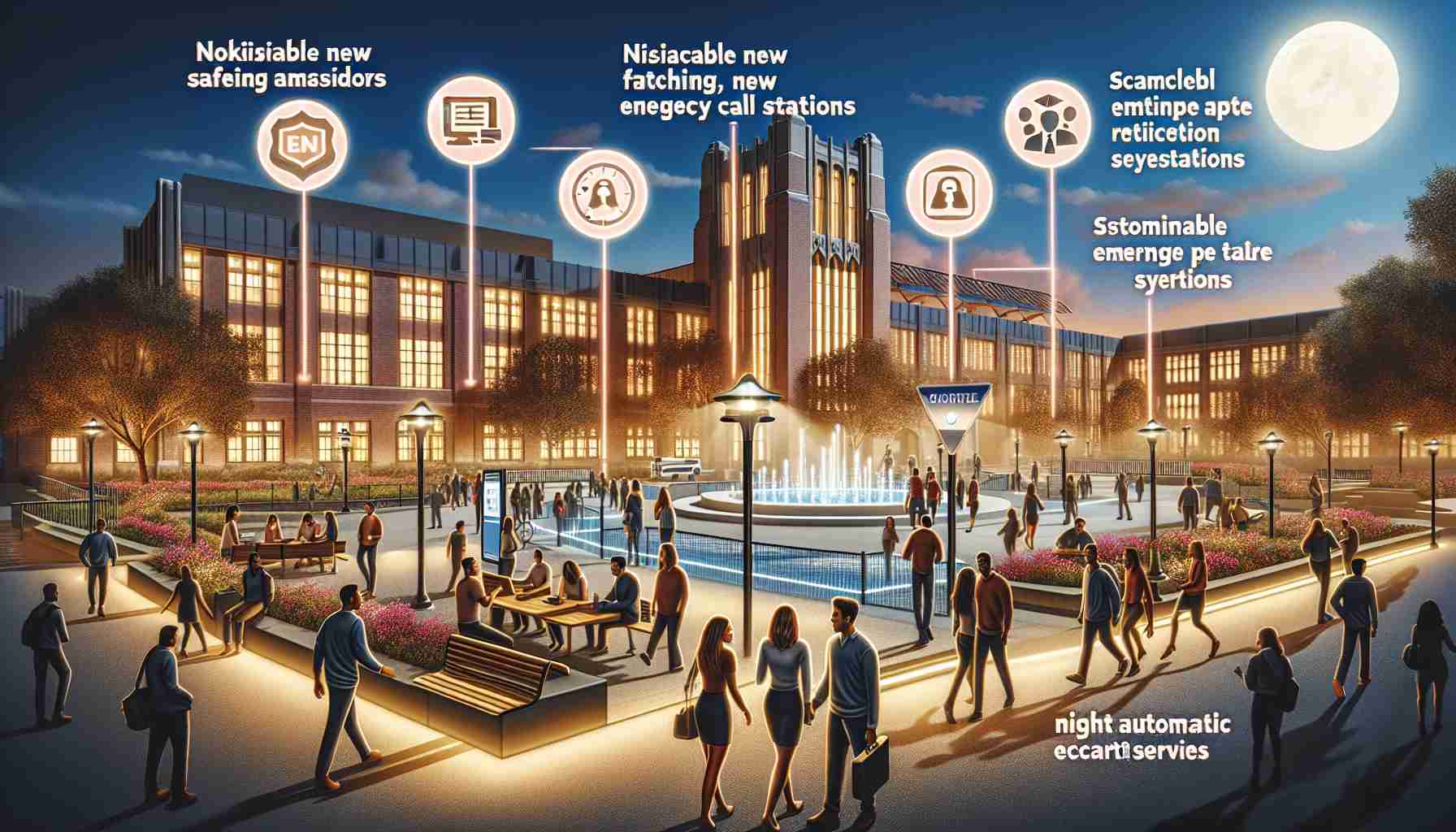
In recent years, the issue of campus safety has become increasingly paramount for universities across the United States. The University of Georgia (UGA) has taken significant steps to address this concern, announcing a series of new safety measures aimed at enhancing the security of its campus community. With an investment of $7.3 million in 2023 alone, UGA has committed over $23 million to safety initiatives over the past eight years. These measures include improved lighting, emergency call stations, a new campus safety ambassador program, and advanced technology such as automatic license plate recognition systems. UGA President Jere W. Morehead has emphasized that the safety of the campus community is the university’s top priority, and the institution will continue to collaborate with various stakeholders to assess and improve its safety programs.
University of Georgia Campus Safety Measures
The recent announcement from UGA regarding its safety measures reflects a growing trend among universities to prioritize the well-being of their students, faculty, and visitors. The introduction of new signage, perimeter fencing, and upgraded lighting is not merely a response to past incidents but a proactive approach to creating a safer environment. The campus safety ambassador program, which began in June 2023, is particularly noteworthy. These ambassadors are tasked with escorting students across campus during nighttime hours, providing a sense of security and reassurance. While they are not law enforcement officers, their presence is intended to foster a safer atmosphere.
The funding for this initiative comes from a permanent 20% increase in the UGA Police Department’s budget, which is expected to enhance recruitment and retention efforts for police personnel. This financial commitment underscores the university’s recognition of the importance of having a well-staffed and trained police force to respond to emergencies effectively.
Moreover, the installation of 20 automatic license plate recognition (ALPR) systems will allow UGA to monitor vehicle access to the campus, enhancing the existing network of over 500 security cameras. This integration of technology is crucial for improving the efficiency of criminal investigations and ensuring a rapid response to incidents. The upgrade of nearly 400 lighting fixtures to brighter LED lights will also significantly improve visibility during nighttime hours, further contributing to a safer campus environment.
In addition to these physical enhancements, UGA has launched the UGA Safe app, which offers features such as real-time location sharing and emergency notifications. With nearly 17,000 downloads, this app serves as a vital tool for students to communicate their safety needs quickly. The app’s “mobile blue light” feature allows users to contact the UGA Police Department instantly, ensuring that help is just a tap away.
The university’s Ride Smart program, which provides discounted rides through Lyft, has already facilitated over 85,000 safe trips for students since its inception in December 2021. This initiative not only promotes safe transportation options but also encourages students to make responsible choices when it comes to their safety.
Impact of Campus Safety Initiatives on Student Well-Being
The measures implemented by UGA are not just about physical safety; they also have profound implications for the overall well-being of students. Research has shown that the environment in which students learn and live significantly impacts their mental and physical health. According to a study published by the Harvard T.H. Chan School of Public Health, the design of school buildings plays a critical role in supporting the health of students and faculty. A safe and functional environment can enhance academic performance and foster positive interactions among students, faculty, and peers.
The concept of holistic health in school design emphasizes the need for environments that cater to students’ physical comfort, mental health, and cognitive development. UGA’s safety initiatives align with this approach by creating a secure atmosphere that allows students to focus on their studies without the distraction of safety concerns. The presence of safety ambassadors, improved lighting, and accessible emergency resources contribute to a sense of belonging and security, which are essential for students’ emotional well-being.
Furthermore, the physical health of students is directly linked to their ability to concentrate and learn effectively. Elements such as natural lighting, proper ventilation, and ergonomic furniture can significantly enhance students’ moods and energy levels. By investing in these aspects of campus safety, UGA is not only addressing immediate security concerns but also fostering an environment conducive to academic success.
Emotional health is another critical component of student well-being that is influenced by the physical environment. A welcoming and inclusive atmosphere can enhance students’ sense of belonging and safety. UGA’s initiatives, such as the introduction of public spaces that encourage social interaction and quiet areas for relaxation, are vital in promoting emotional health among students.
Lastly, intellectual health is supported by creating stimulating learning environments. Flexible learning spaces and the integration of technology can cater to diverse learning styles, encouraging active participation and engagement. UGA’s commitment to enhancing campus safety through thoughtful design and technology aligns with the broader goal of fostering an environment that supports students’ overall development.
Technological Advancements in Campus Security Systems
The integration of technology into campus security systems is a significant trend that UGA is embracing. The use of automatic license plate recognition systems and advanced surveillance cameras exemplifies how universities are leveraging technology to enhance safety. These systems not only improve the efficiency of monitoring campus activities but also provide valuable data for law enforcement agencies in the event of a crime.
The advancements in security technology are not limited to UGA. For instance, Aalborg University in Denmark has been recognized for its research in port security technology, utilizing artificial intelligence (AI) and thermal imaging cameras to monitor unusual behavior in port areas. This innovative approach highlights the potential of combining AI with video technology to enhance safety in various environments, including educational institutions.
As universities continue to adopt these technological advancements, it is essential to consider the ethical implications of surveillance and data collection. Striking a balance between ensuring safety and respecting individual privacy rights is crucial. UGA’s commitment to transparency and community engagement in its safety initiatives will be vital in addressing these concerns.
Community Involvement in Enhancing Campus Safety
The role of community involvement in enhancing campus safety cannot be overstated. UGA’s initiatives reflect a broader trend among universities to engage students, faculty, and local communities in safety efforts. By fostering a culture of collaboration and communication, universities can create a more resilient and responsive safety framework.
For example, the University of Maryland, Baltimore (UMB) recently announced a new safety action plan inspired by lessons learned from past incidents. This plan includes measures such as improving emergency communication, establishing family assistance centers, and increasing mental health training for first responders. UMB’s proactive approach demonstrates the importance of learning from past experiences and involving the community in safety planning.
Community engagement can also take the form of training programs and workshops that empower students and staff to respond effectively to emergencies. By equipping individuals with the knowledge and skills to handle crises, universities can foster a sense of collective responsibility for safety.
Moreover, involving students in safety initiatives can enhance their sense of ownership and agency. UGA’s safety ambassador program is an excellent example of how students can play an active role in promoting safety on campus. By empowering students to take part in safety efforts, universities can create a more inclusive and supportive environment.
Conclusion
The University of Georgia’s recent safety initiatives represent a comprehensive approach to enhancing campus security. By investing in physical infrastructure, leveraging technology, and fostering community involvement, UGA is taking significant steps to ensure the safety and well-being of its students, faculty, and visitors. The impact of these measures extends beyond immediate safety concerns; they contribute to a positive campus environment that supports students’ overall development.
As universities across the United States grapple with the challenges of campus safety, UGA’s proactive approach serves as a model for other institutions. By prioritizing safety and well-being, universities can create environments that not only protect their communities but also promote academic success and personal growth. The commitment to continuous assessment and improvement of safety programs will be essential in adapting to the evolving needs of campus communities.
In summary, UGA’s safety measures are a testament to the university’s dedication to creating a secure and supportive environment for all. As the landscape of higher education continues to change, the importance of campus safety will remain a critical focus for institutions nationwide. Through collaboration, innovation, and community engagement, universities can work towards a future where safety is not just a priority but a fundamental aspect of the educational experience.