
Engaging Campus Life: The Role of Student Organizations and Identity Centers at Vanderbilt University
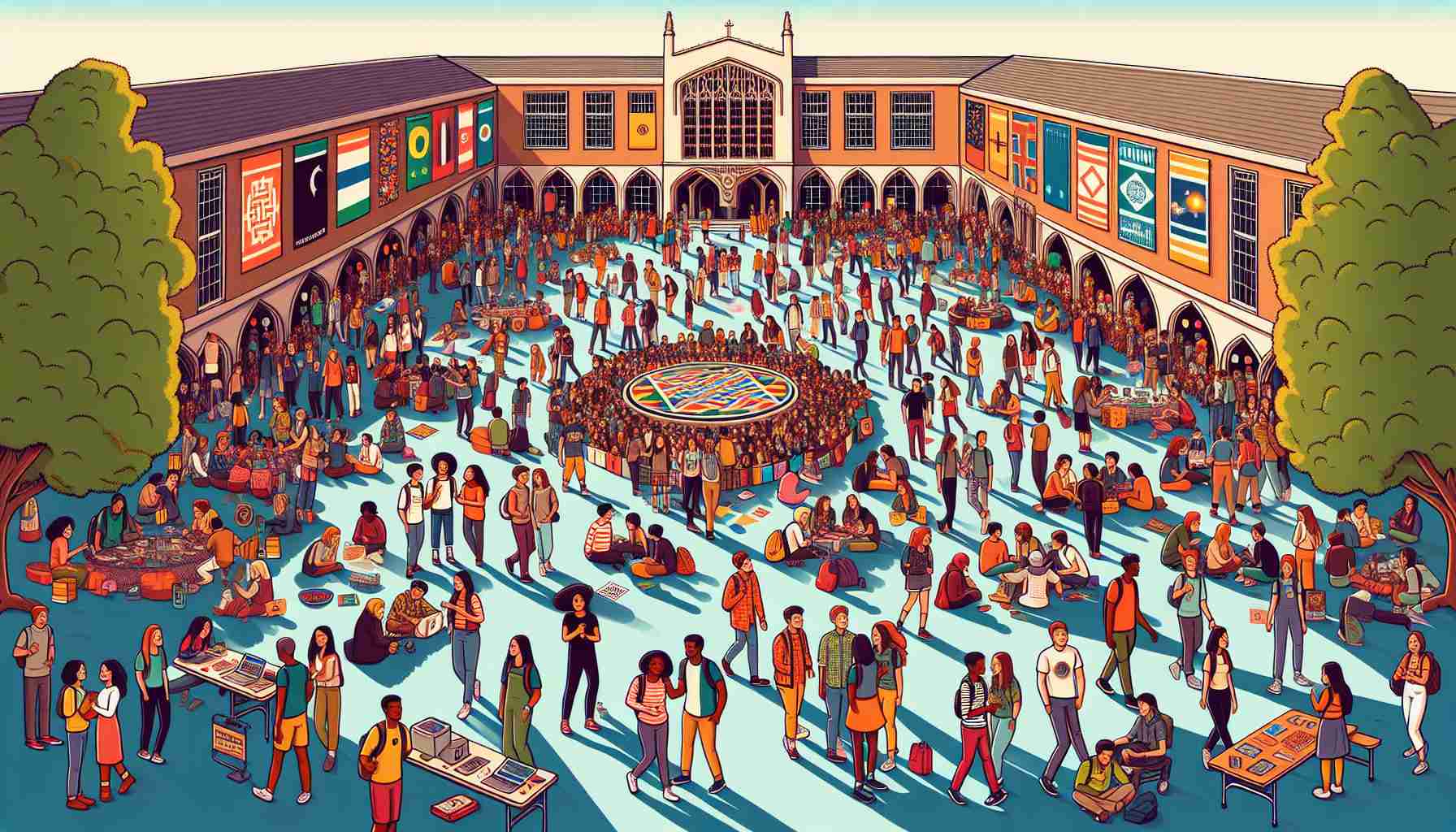
On August 15, 2024, Vanderbilt University (2024 USNews Ranking: 18) released a comprehensive guide aimed at helping new and current students engage more fully in campus life. This initiative is particularly significant given the university’s extensive array of over 450 registered student organizations that span various domains, including service, culture, arts, religion, sports, Greek life, and student government. The guide encourages students to utilize the Anchor Link platform to discover organizations that align with their interests and passions. For students seeking assistance, the Office of Student Organizations, Leadership, and Service offers support, allowing students to fill out participation request forms that lead to meetings discussing relevant organizations.
In addition to student organizations, Vanderbilt University provides the Events@Vanderbilt calendar, a vital resource for students to explore a wide range of campus activities, including sports events, concerts, and application deadlines. This platform not only keeps students informed about campus happenings but also facilitates their participation in these events. Students can also submit event information for promotion, ensuring that the campus community remains connected and engaged.
Vanderbilt’s identity centers, such as the Bishop Joseph Johnson Black Cultural Center, the Margaret Cuninggim Women’s Center, the K.C. Potter Center, the Religious and Spiritual Life Center, and the Center for Social Justice and Identity, play a crucial role in fostering a sense of community belonging and personal growth. These centers provide spaces for students to explore and express their identities, contributing to a more inclusive campus environment.
Central to Vanderbilt’s mission is the “You at VU” initiative, which emphasizes the importance of belonging for every community member. This program consolidates campus resources to support students and staff in various aspects of their lives, including physical, emotional, psychological, social, and professional growth. Through the “You at VU” portal, community members can find ways to connect with others, engage in campus activities, and access health support, underscoring the significance of each individual’s role within the university.
In summary, Vanderbilt University actively encourages student participation in campus life through diverse organizations and activities, promoting personal development and a sense of community belonging. This commentary will delve deeper into the impact of student organizations, the role of identity centers, the significance of the Events@Vanderbilt calendar, and the importance of the “You at VU” initiative in fostering a vibrant campus culture.
The Impact of Student Organizations on Engagement
Student organizations at Vanderbilt University serve as a cornerstone for student engagement, providing a platform for individuals to connect, collaborate, and contribute to the campus community. The establishment of the first dedicated Hindu prayer space within the Student Engagement Space on February 22, 2024, exemplifies the positive impact of student organizations on campus life. This initiative, spearheaded by the student organization Vandy Karma, included a ceremonial opening that featured traditional Hindu rituals such as Ganapati puja, punyahavachanam, and vastu puja. These rituals were not only significant for the Hindu community but also highlighted the university’s commitment to accommodating diverse spiritual needs.
The creation of this prayer space reflects a broader trend within U.S. colleges and universities to recognize and support the diverse religious and cultural backgrounds of their students. As noted by Aditya Kurre, the Vice President of Vandy Karma, the space is intended to be open to all students, allowing them to learn about Hindu beliefs and traditions. This initiative not only fosters a sense of belonging among Hindu students but also promotes interfaith dialogue and understanding within the broader campus community.
Moreover, the collaborative effort between Vandy Karma, the Office of Religious Life, and the Office of Student Affairs underscores the importance of student organizations in advocating for the needs of their peers. The support from university officials, including University Chaplain Chris Donald, further emphasizes the institution’s commitment to creating an inclusive environment that respects and celebrates diversity. This initiative is a testament to how student organizations can drive meaningful change and enhance the overall campus experience.
Identity Centers: Fostering Community Belonging
The identity centers at Vanderbilt University play a pivotal role in promoting community belonging and personal growth among students. These centers provide safe spaces for students to explore their identities, engage in dialogue, and connect with others who share similar experiences. The establishment of the People, Culture, and Belonging (PCB) department in June 2024 is a significant step towards enhancing the employee experience and operational efficiency at the university, reflecting a commitment to fostering a sense of belonging for all community members.
The PCB’s initiatives, such as the redesigned onboarding experience called “Vanderbilt Voyage,” aim to enhance the integration of new employees into the university community. By focusing on “important moments,” the program seeks to create a welcoming environment that encourages collaboration and growth. This approach is essential not only for staff but also for students, as it sets a precedent for how the university values inclusivity and support.
Additionally, the introduction of the “Curious Bar,” a personalized learning space powered by an innovative chatbot, exemplifies the university’s commitment to continuous learning and development. By encouraging participation in summer activities and providing resources for professional growth, the PCB fosters a culture of engagement that extends beyond the classroom.
The monthly digital magazine “Illuminate” serves as another tool for enhancing community engagement, offering practical news and insights that empower employees and students alike. By promoting transparency and communication, the PCB strengthens the sense of belonging within the Vanderbilt community.
Events@Vanderbilt: Enhancing Participation in Campus Activities
The Events@Vanderbilt calendar is a vital resource for students seeking to engage with campus life. By providing a centralized platform for information about various activities, including sports events, concerts, and application deadlines, the calendar enhances student participation and fosters a sense of community. This resource is particularly important for new students who may be navigating the campus for the first time and seeking opportunities to connect with their peers.
The ability for students to submit event information for promotion further encourages involvement and ensures that the campus community remains informed about upcoming activities. This participatory approach not only empowers students to take an active role in shaping campus life but also reinforces the idea that every individual has a stake in the university’s culture.
Moreover, the Events@Vanderbilt calendar aligns with the university’s broader mission of promoting engagement and belonging. By facilitating access to a diverse array of events, the calendar helps students discover new interests, build relationships, and create lasting memories during their time at Vanderbilt.
The Significance of the “You at VU” Initiative
The “You at VU” initiative is a cornerstone of Vanderbilt University’s commitment to fostering a sense of belonging among its community members. By consolidating resources and support systems, this initiative emphasizes the importance of individual well-being and community connection. The portal serves as a hub for students and staff to find ways to engage with one another, participate in campus activities, and access health support.
This initiative is particularly significant in the context of the challenges faced by college students today, including mental health concerns and feelings of isolation. By promoting a culture of belonging, “You at VU” encourages students to seek support, connect with others, and actively participate in campus life. This holistic approach to well-being recognizes that each individual plays a vital role in the university community and that fostering connections is essential for personal and collective growth.
Furthermore, the emphasis on physical, emotional, psychological, social, and professional support aligns with the university’s mission to cultivate well-rounded individuals who are prepared to thrive in an increasingly complex world. By prioritizing belonging and engagement, Vanderbilt University is not only enhancing the student experience but also preparing its graduates to be compassionate and connected leaders in their future endeavors.
Conclusion
In conclusion, Vanderbilt University exemplifies a commitment to fostering student engagement and community belonging through its diverse array of student organizations, identity centers, and initiatives like Events@Vanderbilt and “You at VU.” The university’s proactive approach to creating inclusive spaces and promoting participation reflects a broader trend among U.S. colleges to prioritize the well-being and development of their students.
The establishment of dedicated spaces for religious practices, the support provided by identity centers, and the resources available through the Events@Vanderbilt calendar all contribute to a vibrant campus culture that encourages students to connect, collaborate, and grow. As Vanderbilt continues to evolve, its focus on belonging and engagement will undoubtedly play a crucial role in shaping the experiences of its students and fostering a strong sense of community.
By prioritizing these values, Vanderbilt University not only enhances the student experience but also prepares its graduates to navigate the complexities of the modern world with empathy, understanding, and a commitment to inclusivity. The university’s efforts serve as a model for other institutions seeking to create supportive and engaging environments for their students, ultimately contributing to a more connected and compassionate society.