
Addressing Loneliness in U.S. Colleges: The Connection Project and Beyond
In September 2024, Virginia Tech launched a groundbreaking course titled “The Connection Project,” aimed at combating student loneliness. This research-based credit course is designed to equip students with interpersonal skills and foster meaningful relationships. The initiative comes in response to the alarming declaration by the U.S. Surgeon General in 2023 that loneliness has become a national epidemic. Studies indicate that the mortality risk associated with social isolation is comparable to smoking 15 cigarettes a day. The course, developed by University of Virginia (2024 USNews Ranking: 24) professor Joseph Allen in 2018, has evolved into a structured program that not only addresses loneliness but also promotes mental well-being among college students.
The Connection Project is supported by Hokie Wellness and is now part of the Human Development and Engineering Education curriculum. Its primary goal is to create a safe space for students to connect, share vulnerabilities, and engage in deep conversations. Colleen Driscoll, the assistant director of Hokie Wellness, noted that many students were surprised to find friendships through the program. A post-course survey revealed that 100% of participants would recommend The Connection Project to friends, highlighting its inclusive and welcoming environment conducive to thoughtful dialogue. Participants reported increased confidence, heightened empathy, a sense of belonging, and improved overall health and hopefulness.
Research conducted in 2022 on the University of Virginia’s program indicated that while the course benefits all students, it significantly alleviates loneliness among racial and ethnic minorities and those from low-income backgrounds. Approximately 10% of participants in the pilot program expressed interest in becoming future student counselors for The Connection Project. Driscoll emphasized the lasting benefits reported by students in follow-up discussions.
Leah Bartholomew, a mental health intern who first encountered The Connection Project in high school, described the course as an “emotional support group” where participants can openly share in a safe and welcoming environment while learning how to build and deepen interpersonal relationships. The course is carefully designed, combining classic games with themes of self-reflection and interpersonal growth, and limits class sizes to ten to ensure every student has the opportunity to share and connect.
The course is graded on an A-F scale, primarily based on attendance and participation, with no assignments or exams required. Driscoll stated that the course was established due to its proven effectiveness in helping students, reflecting Virginia Tech’s commitment to student well-being and fostering a strong sense of belonging. Registration for the course will be open during the add/drop period, and all students are encouraged to apply to become student counselors.
The Impact of Loneliness on Mental Health Among College Students
The launch of The Connection Project at Virginia Tech is particularly timely, given the growing body of evidence linking loneliness to mental health issues among college students. A recent study by Active Minds and TimelyCare revealed that nearly two-thirds of surveyed college students reported feeling lonely, with over half expressing concern for their friends’ mental health. The data underscores the urgent need for initiatives like The Connection Project, as students experiencing loneliness are four times more likely to suffer from severe psychological distress.
The findings also highlight disparities among different student populations. For instance, 70.3% of LGBQ+ students reported feelings of loneliness, compared to 60.6% of their non-LGBQ+ peers. This data emphasizes the importance of creating inclusive programs that address the unique challenges faced by diverse student groups. As Alison Malmon, founder and executive director of Active Minds, stated, “Loneliness is a significant factor in the well-being of college students.” By fostering connections and empathy, initiatives like The Connection Project can help rewrite the narrative surrounding mental health on campuses.
Strategies for Building Meaningful Relationships in Educational Settings
The Connection Project is not an isolated effort; it reflects a broader trend in U.S. colleges to prioritize relationship-building as a means of enhancing student well-being. A report by EdTrust emphasized the importance of strong relationships between teachers and students, particularly in the wake of the COVID-19 pandemic, which exacerbated feelings of anxiety and isolation among students. The report found that students with positive teacher-student relationships demonstrated higher levels of academic engagement and social skills.
To foster these relationships, educational institutions must make conscious decisions to prioritize connection. This includes providing teachers with time and resources to engage with students, investing in relationship-building activities, and offering training on how to cultivate strong connections. Smaller class sizes can also facilitate more meaningful interactions, allowing for individualized attention and support.
The Role of Academic Institutions in Addressing Social Isolation
The responsibility of addressing loneliness and social isolation extends beyond individual programs like The Connection Project; it is a collective challenge that academic institutions must tackle. A systematic review published in BMC Public Health examined policies addressing loneliness and social isolation across 52 countries, revealing that many nations are beginning to recognize loneliness as a public health issue. The review highlighted the need for comprehensive policies that prioritize social connections, particularly in the wake of the COVID-19 pandemic.
In the U.S., colleges and universities are uniquely positioned to implement strategies that promote social engagement among students. This includes creating supportive campus environments, offering peer support programs, and facilitating community-building activities. By prioritizing social connections, institutions can help mitigate the negative impacts of loneliness on student mental health.
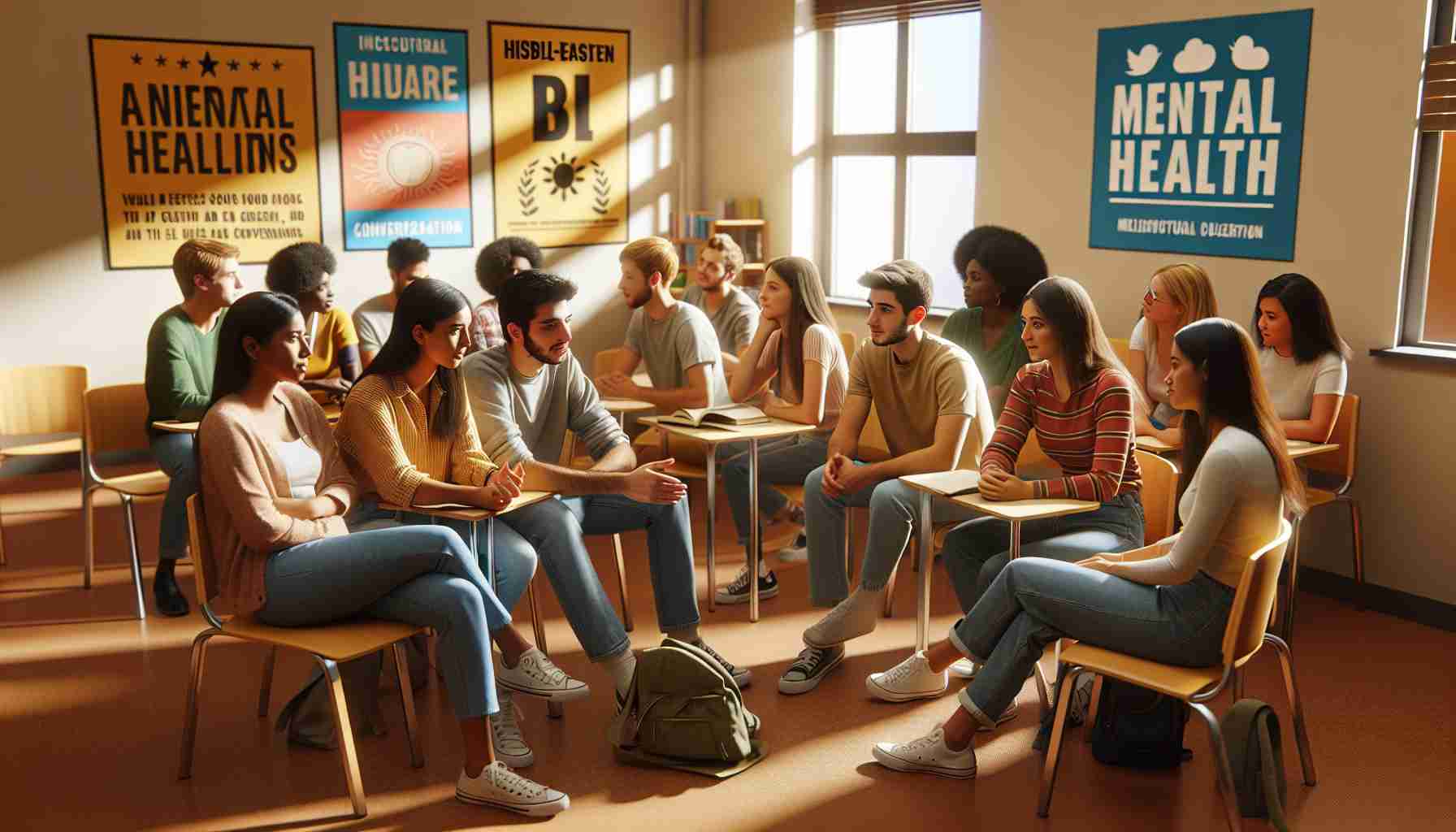
Effectiveness of Peer Support Programs in Reducing Loneliness
Peer support programs have emerged as effective tools for reducing loneliness and enhancing mental health among college students. A study by Wisdo Health demonstrated the efficacy of digital peer support platforms in improving clinical outcomes for vulnerable populations. The research found that participants in peer support programs experienced a 15% reduction in feelings of loneliness, a 50% decrease in depressive symptoms, and a 29% decline in anxiety levels.
These findings underscore the importance of fostering peer connections within college settings. By creating opportunities for students to support one another, institutions can cultivate a sense of community that combats feelings of isolation. The success of programs like The Connection Project and digital peer support platforms highlights the potential for innovative approaches to address loneliness among students.
Cultural Considerations in Mental Health Initiatives for Diverse Student Populations
As colleges and universities strive to create inclusive environments, it is essential to consider the cultural factors that influence mental health. The adaptation of Mental Health First Aid (MHFA) courses for diverse communities reflects a growing recognition of the need for culturally tailored mental health resources. By addressing the unique needs of various cultural groups, institutions can ensure that all students have access to effective support.
For example, the MHFA program has recently introduced courses tailored for Khmer, Korean, and Spanish-speaking communities. These culturally adapted courses not only provide essential mental health education but also promote understanding and reduce stigma within these communities. By recognizing and respecting cultural differences, colleges can create a more inclusive and supportive environment for all students.
Conclusion
The launch of The Connection Project at Virginia Tech represents a significant step forward in addressing the pervasive issue of loneliness among college students. By equipping students with the skills to build meaningful relationships, this initiative aligns with a broader movement within U.S. colleges to prioritize mental health and well-being. As research continues to highlight the detrimental effects of loneliness on mental health, it is imperative that academic institutions implement comprehensive strategies to foster social connections.
From peer support programs to culturally tailored mental health resources, colleges have the opportunity to create environments that promote belonging and support. By prioritizing relationship-building and addressing the unique needs of diverse student populations, institutions can play a crucial role in combating loneliness and enhancing the overall well-being of their students.
References
- Virginia Tech: “New Course Helps Fight Student Loneliness” link
- Active Minds: “Loneliness and Student Mental Health” link
- EdTrust: “The Importance of Strong Relationships Between Teachers & Students” link
- BMC Public Health: “Addressing Loneliness and Social Isolation in 52 Countries” link
- Wisdo Health: “Wisdo Health Study: Digital Peer Support Platform Reduces Loneliness, Depression, and Anxiety Rates among Vulnerable Populations” link
- National Council for Mental Wellbeing: “Mental Health First Aid for Diverse Communities” link