
Virginia Tech’s Rise in Rankings: A Closer Look
Virginia Tech’s recent recognition as a top-25 public university, tied for No. 21 in the National Universities category according to the U.S. News & World Report, marks a significant milestone for the institution. This ranking, released on September 24, 2024, is not merely a badge of honor; it serves as a critical indicator of the university’s commitment to academic excellence and its ability to attract prospective students. The U.S. News rankings evaluate over 1,400 institutions based on 19 measures of academic quality, including graduation and retention rates, faculty resources, and expert opinions. Such comprehensive criteria ensure that the rankings reflect a well-rounded view of institutional performance, making them a valuable resource for students navigating their college choices.
Virginia Tech’s ascent in the rankings is particularly noteworthy given its strengths in engineering and computer science. The College of Engineering has garnered significant acclaim, with three of its departments ranked in the top 10 nationally. Notably, the Grado Department of Industrial and Systems Engineering leads the pack at No. 4, while Environmental Engineering and Biological/Agricultural Engineering follow closely at No. 7 and No. 8, respectively. Civil Engineering also made a strong showing, tied for No. 9. These rankings underscore the university’s dedication to research and innovation, as evidenced by recent projects aimed at reducing the environmental impact of lithium mining for electric vehicle batteries and initiatives focused on carbon capture technologies. Such cutting-edge research not only enhances the educational experience for students but also positions them at the forefront of critical global challenges.
In addition to engineering, Virginia Tech’s undergraduate computer science programs have also received accolades, ranking tied for No. 29 nationally. This recognition reflects the university’s commitment to providing a robust education in technology, an increasingly vital field in today’s job market. The university’s focus on interdisciplinary learning and collaboration across departments further enriches the academic environment, allowing students to engage in diverse projects that prepare them for the complexities of modern careers.
Accessibility and affordability are also central to Virginia Tech’s mission, as highlighted by its significant improvement in the Best Value category, where it ranked No. 149. This ranking takes into account both academic quality and the net cost of attendance for out-of-state students receiving need-based financial aid. The Virginia Tech Advantage program exemplifies the university’s commitment to making higher education accessible to students from diverse financial backgrounds. This initiative aims to alleviate the financial burden on students, ensuring that a quality education is within reach for all, regardless of their economic circumstances.
The implications of Virginia Tech’s ranking extend beyond mere prestige; they resonate deeply with prospective students and their families. As students increasingly consider factors such as academic quality, financial aid, and institutional support in their college decisions, Virginia Tech’s strong performance in these areas enhances its attractiveness as a destination for higher education. The university’s commitment to fostering an inclusive and supportive environment, particularly for underrepresented groups, further solidifies its reputation as a leader in higher education.
Moreover, Virginia Tech’s recognition as a military-friendly institution, tied for No. 28 in the Best Colleges for Veterans category, underscores its dedication to supporting military-affiliated students. This commitment is crucial as it reflects the university’s understanding of the unique challenges faced by veterans and their families, providing them with tailored resources and support systems to thrive academically.
In summary, Virginia Tech’s recent ranking as a top-25 public university is a testament to its ongoing efforts to enhance educational quality, accessibility, and innovation. The university’s strengths in engineering and computer science, coupled with its commitment to affordability and support for diverse student populations, contribute significantly to its reputation and attractiveness to prospective students. As the landscape of higher education continues to evolve, Virginia Tech stands poised to meet the challenges ahead, ensuring that it remains a leading institution in the pursuit of academic excellence.
The Broader Impact of University Rankings on Student Choices
The influence of university rankings on student enrollment decisions has become increasingly pronounced in recent years, shaping not only the choices students make but also the perceptions of academic quality and institutional prestige. The latest U.S. News & World Report rankings, which placed Virginia Tech among the top 25 public universities, exemplify how these rankings can serve as a beacon for prospective students. With over 1,400 institutions evaluated based on various measures of academic quality, including graduation rates and faculty resources, these rankings provide a framework for students to assess their options. However, the implications of these rankings extend beyond mere numbers; they can significantly sway students’ choices, particularly in the context of evolving political and social landscapes.
Recent studies, including a Gallup survey, reveal a notable shift in how students approach their college decisions. Nearly 73% of unenrolled young adults now consider state politics as a critical factor in their selection process. This trend has been catalyzed by significant political events, such as the Supreme Court’s 2022 Dobbs decision, which overturned Roe v. Wade, leading many students to prioritize reproductive rights and other social issues when evaluating potential colleges. For instance, students like Grace from South Carolina have expressed concerns about attending schools in states with restrictive abortion laws, indicating that political climates can directly influence their educational aspirations.
The intersection of university rankings and political considerations presents a complex landscape for both institutions and prospective students. While high rankings may enhance a university’s appeal, the political environment of the state in which the university is located can either bolster or diminish that appeal. For example, a university with a prestigious ranking in a state known for progressive policies may attract students who prioritize social justice and inclusivity. Conversely, a similarly ranked institution in a state with restrictive laws may find itself losing potential applicants who are unwilling to compromise on their values.
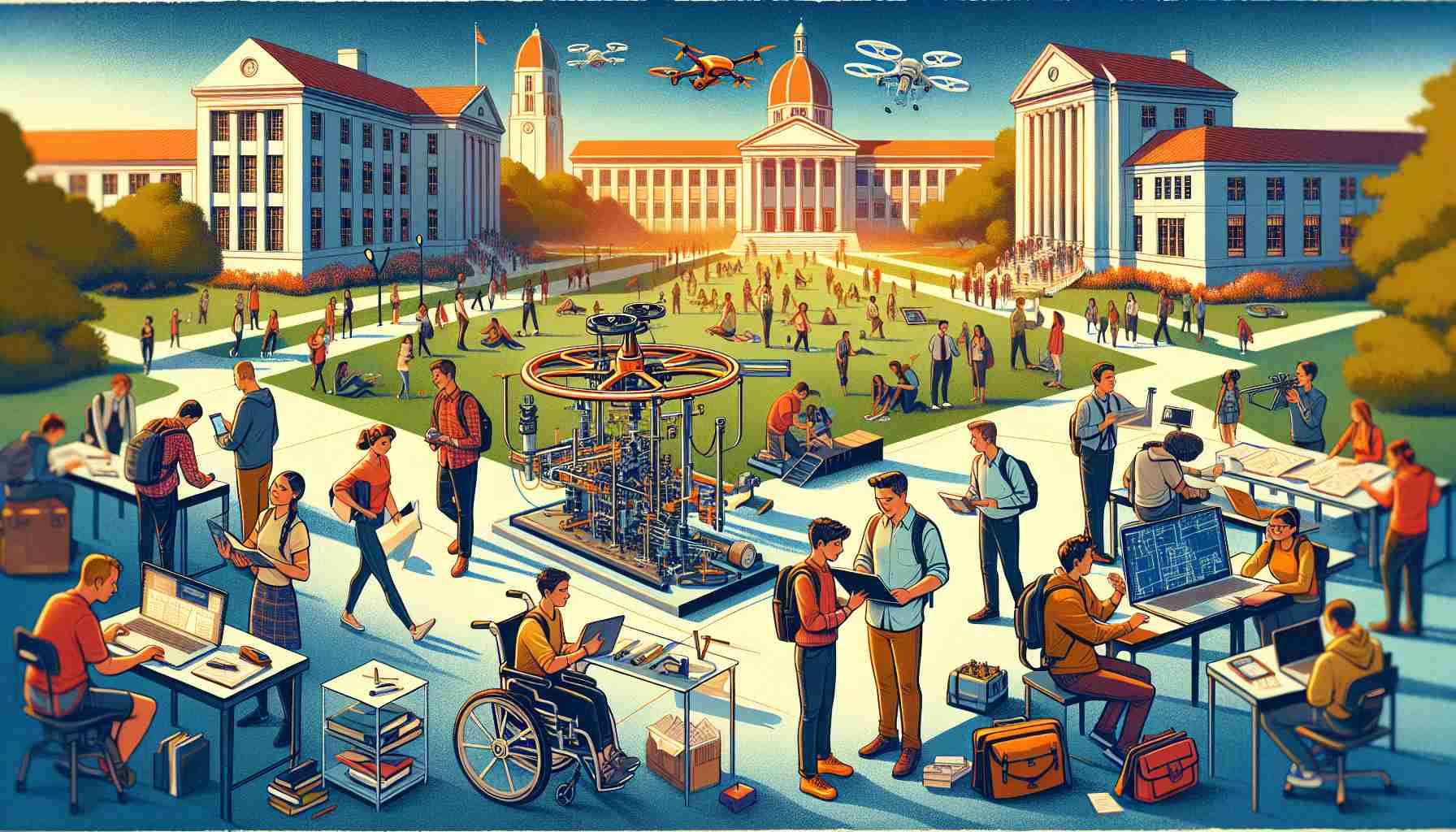
This dynamic raises important questions about the future of university enrollment strategies. Institutions may need to adapt their marketing and outreach efforts to highlight not only their academic strengths but also their commitment to social issues that resonate with today’s students. As the political landscape continues to evolve, universities must navigate these complexities to attract a diverse student body that aligns with their values and mission.
Moreover, the implications of these trends extend beyond individual choices; they also reflect broader societal shifts. As students increasingly factor in political climates, universities may feel pressured to take stances on social issues, potentially reshaping their institutional identities. This could lead to a more pronounced alignment between a university’s academic offerings and its political and social values, influencing everything from curriculum development to community engagement initiatives.
In conclusion, the interplay between university rankings and political considerations is reshaping the college selection process for many students. As they weigh academic opportunities against the political climates of their prospective institutions, both universities and students must navigate a landscape that is increasingly influenced by social values and political realities. This evolving dynamic underscores the need for universities to remain attuned to the changing priorities of their student populations while maintaining their commitment to academic excellence and accessibility.
Trends in Engineering Education and Research
The landscape of engineering education in the United States is undergoing significant transformation, particularly at leading institutions like Virginia Tech. The recent recognition of Virginia Tech as a top-25 public university, with its College of Engineering departments ranking prominently in national assessments, underscores the institution’s commitment to excellence in research and innovation. This commitment is exemplified by groundbreaking projects aimed at addressing pressing global challenges, such as reducing the environmental impact of lithium mining for electric vehicle batteries and developing technologies for carbon dioxide capture. These initiatives not only enhance the educational experience for students but also position graduates to contribute meaningfully to the evolving demands of the engineering workforce.
As engineering programs across the U.S. adapt to the changing landscape, they face both challenges and opportunities. A recent Deloitte report highlights the “Outcomes Era,” where institutions are increasingly scrutinized for their role in promoting social mobility and addressing inequality. This scrutiny is particularly relevant for engineering programs, which are often seen as critical pathways to high-paying jobs and economic advancement. The report emphasizes the need for universities to articulate a compelling value proposition that resonates with students, families, and employers alike. In this context, engineering programs must not only focus on technical skills but also integrate broader educational goals that align with societal needs.
The emphasis on research and innovation in engineering education is also reflected in the growing trend of interdisciplinary collaboration. Programs that encourage partnerships between engineering and other fields—such as environmental science, business, and public policy—are becoming increasingly common. This interdisciplinary approach not only enriches the educational experience but also prepares students to tackle complex, multifaceted problems in their future careers. For instance, Virginia Tech’s initiatives in sustainable engineering demonstrate how engineering education can intersect with environmental stewardship, thereby attracting students who are passionate about making a positive impact on the world.
Moreover, the evolving landscape of engineering education is influencing student enrollment patterns. As prospective students become more discerning about their educational choices, they are increasingly drawn to programs that offer hands-on research opportunities, real-world applications, and a clear connection to industry needs. The rise of innovative curricula, such as Virginia Tech’s focus on sustainability and technology, is likely to enhance its appeal to a diverse range of students. This trend is further supported by the increasing demand for STEM professionals in the job market, which is projected to grow significantly in the coming years.
However, challenges remain. The recent Supreme Court ruling on race-based admissions has raised concerns about equity and access in higher education, particularly for underrepresented groups in engineering fields. Institutions must navigate these complexities while striving to maintain diversity within their programs. Additionally, financial considerations continue to play a crucial role in student decision-making. As highlighted in various reports, the cost of higher education remains a significant barrier for many students, prompting universities to explore innovative financial aid solutions to enhance accessibility.
In summary, the current trends in engineering education at top universities like Virginia Tech reflect a dynamic interplay of research, innovation, and societal needs. As institutions adapt to these changes, they must remain vigilant in addressing the challenges of equity, access, and affordability while continuing to foster an environment that encourages student engagement and success. The future of engineering education will depend on the ability of universities to not only produce skilled graduates but also to contribute positively to the broader societal landscape.
Accessibility and Support Systems in Higher Education
Financial aid programs and support systems play a crucial role in promoting accessibility in higher education, particularly for diverse student populations facing unique challenges. Among these groups are military-affiliated students and student parents, both of whom encounter significant barriers that can hinder their academic success. Institutions are increasingly recognizing the importance of tailored support services to address these challenges and foster an inclusive educational environment.
Military-affiliated students, including veterans, active duty service members, and their families, often face difficulties transitioning from military to civilian life. These challenges can include navigating the complexities of financial aid, adjusting to academic expectations, and finding community support. Institutions like Alvernia University have been recognized as Military Friendly® Schools, highlighting their commitment to providing exceptional educational opportunities and support for military students. Alvernia offers dedicated admissions and financial aid counseling, academic advising, and career services specifically designed for military-affiliated students. Their Veterans Center serves as a welcoming space for these students to connect and access additional resources, reinforcing the importance of community in their educational journey.
Oklahoma State University (2025 USNews Ranking: 196) (OSU) has also made strides in enhancing support for military-affiliated and nontraditional students. By rebranding its Student Veteran Success office to Military-Affiliated Student Support, OSU aims to better represent the diverse needs of this population. The university recognizes that military students often require assistance with transitioning to civilian life and managing relocations, and it provides personalized resources to help them navigate these challenges. This initiative reflects a broader commitment to inclusivity, ensuring that all students, regardless of their background, have access to the support they need to thrive.
Student parents represent another significant demographic that faces unique hurdles in higher education. With over 5 million student parents enrolled in U.S. colleges and universities, the need for targeted support is urgent. Research indicates that student parents have lower graduation rates compared to their peers without children, particularly in community colleges where two-thirds of those with young children leave without a degree within five years. Institutions that offer comprehensive support services, including financial aid and on-campus child care, see better retention rates among student parents. For instance, community colleges participating in initiatives like the Child Care for Student Parents at Community Colleges Cohort are implementing innovative strategies to improve child care access. These include establishing on-campus child care facilities and partnerships with local early childhood programs, which are essential for helping student parents balance their academic and parenting responsibilities.
The importance of on-campus child care cannot be overstated. Many student parents struggle to find high-quality, affordable, and flexible child care options, which can disrupt their studies and lead to higher dropout rates. By expanding on-campus child care services and advocating for increased funding, institutions can significantly reduce barriers to educational success for student parents. Programs like Child Care Access Means Parents in School (CCAMPIS) provide vital support, but their effectiveness is often limited by competitive funding and state-level disparities. Therefore, a concerted effort to enhance these services is critical for fostering an inclusive learning environment.
In addition to child care, institutions must also strengthen referral systems to connect student parents with a comprehensive range of support services, including mental health resources, financial aid, and career counseling. An efficient referral system can help ensure that students access and utilize these essential services, preventing them from falling through the cracks. By prioritizing these strategies, colleges and universities can create a more supportive atmosphere that acknowledges the unique challenges faced by student parents.
The role of financial aid programs in promoting accessibility is also paramount. Initiatives like the Virginia Tech Advantage program exemplify how institutions can support students from diverse financial backgrounds. By focusing on affordability and accessibility, universities can help level the playing field for all students, regardless of their socioeconomic status. This commitment to financial aid not only enhances educational opportunities but also fosters a more equitable academic environment.
As higher education continues to evolve, the need for robust support systems for military-affiliated students and student parents remains critical. By implementing targeted initiatives and expanding access to essential resources, institutions can create a more inclusive educational landscape that empowers all students to succeed. The ongoing efforts to enhance accessibility through financial aid and support services are vital in addressing the unique challenges faced by these populations, ultimately contributing to a more equitable higher education system.
Innovative Practices in Curriculum Development
Virginia Tech’s recent recognition as a top-25 public university by U.S. News & World Report underscores its commitment to innovative curriculum development that aligns with the evolving needs of students and the job market. The university’s approach to education reflects a broader trend among higher education institutions to adapt their curricula, emphasizing flexibility and interdisciplinary programs. This shift is particularly evident in Virginia Tech’s engineering and computer science departments, which have garnered high rankings and recognition for their innovative practices.
One notable aspect of Virginia Tech’s curriculum development is its focus on interdisciplinary programs that allow students to explore multiple fields of study. For instance, the introduction of new programs, such as the Bachelor of Arts in Audio Arts and Technology at the University of Rochester, illustrates a growing trend where institutions are creating less technical, more flexible academic paths. This approach not only caters to diverse student interests but also encourages double majoring, thereby enhancing students’ employability in a competitive job market. Virginia Tech’s engineering programs, which emphasize research and innovation, are similarly designed to equip students with the skills necessary to address contemporary challenges, such as environmental sustainability and technological advancement.
Engaging students in the curriculum development process is another critical factor in fostering innovation. By soliciting feedback from students and incorporating their perspectives, universities can create programs that resonate with their interests and career aspirations. This participatory approach not only enhances student satisfaction but also ensures that the curriculum remains relevant and responsive to the changing landscape of the workforce. Faculty play a pivotal role in this process, as their expertise and commitment to pedagogical innovation are essential for developing and implementing new curricula. Faculty members at Virginia Tech, for example, are actively involved in research projects that inform their teaching, thereby bridging the gap between academic theory and practical application.
The implications of these innovative practices extend beyond individual student success; they also significantly impact institutional reputation. As universities like Virginia Tech adapt their curricula to meet the demands of the job market, they enhance their appeal to prospective students. High rankings in innovative practices, as evidenced by Virginia Tech’s recognition in the Most Innovative Schools category, serve as a testament to the institution’s commitment to educational excellence. This reputation not only attracts high-caliber students but also fosters partnerships with industry leaders, further enhancing the university’s standing in the academic community.
Moreover, the emphasis on accessibility and affordability, as highlighted by initiatives like the Virginia Tech Advantage program, reflects a growing awareness of the need to support diverse student populations. By addressing financial barriers and providing comprehensive support services, universities can create an inclusive environment that promotes academic success for all students, particularly those from underrepresented backgrounds.
In conclusion, Virginia Tech’s innovative practices in curriculum development exemplify how universities are adapting to the evolving needs of students and the job market. By fostering interdisciplinary programs, engaging students in the development process, and emphasizing accessibility, institutions can enhance student success and strengthen their reputations in the competitive landscape of higher education. As these trends continue to evolve, they will undoubtedly shape the future of academic offerings and the overall educational experience for students across the nation.
Reference:
Virginia Tech Achieves Top-25 Ranking Among Public Universities in U.S. News & World Report
Disparities in College Admissions for Asian American Applicants: A Study of Ivy-11 Schools
Young Students Factor State Politics into College Decisions
2024 Higher Education Trends: Challenges and Opportunities for U.S. Universities
Research Trends in International STEM Education: A Decade of Conference Proceedings
Promoting Accessibility for Student Parents: Enhancing Child Care and Support at Community Colleges
Promoting Accessibility in College Courses: Six Key Strategies
Hajim School of Engineering & Applied Sciences Launches New B.A. in Audio Arts and Technology
Thryllabus: September Edition – Campus Events for Students at the University of Ottawa
Alvernia University Recognized as Military Friendly® School for 2024-2025
Oklahoma State University Enhances Support for Military and Nontraditional Students