
Introduction: The Legacy of William & Mary and Its Commitment to Student Success
William & Mary (W&M) stands as one of the oldest institutions of higher education in the United States, with a rich history that spans over 300 years. Renowned for its commitment to academic excellence, W&M has consistently focused on preparing its students for meaningful careers through a robust liberal arts education. This approach not only fosters critical thinking and effective communication but also equips graduates with the adaptability needed to thrive in an ever-evolving job market.
The university’s dedication to nurturing lifelong learners is evident in its strategic initiatives, which include providing extensive internship opportunities, research experiences, and a global alumni network that supports students in their career pursuits. President Katherine A. Rowe has emphasized that W&M’s educational philosophy is designed to cultivate not just knowledgeable graduates, but individuals who are ready to make significant contributions to society. This commitment is reflected in impressive statistics regarding alumni success: a recent survey indicated that 97% of the Class of 2022 found employment in fields aligned with their career interests shortly after graduation. Furthermore, W&M boasts the highest median income for undergraduate alumni in Virginia, 15 years post-graduation, among public universities in the state.
The effectiveness of W&M’s educational approach is further underscored by its graduation rate of 91%, ranking seventh nationally among public universities. Additionally, 92% of graduates are either employed or pursuing further education within six months of graduation. Notably, W&M alumni earn nearly 20% more than the national median starting salary, showcasing the tangible benefits of a W&M education. The university’s commitment to career readiness is further exemplified by its guarantee of funded internships or applied learning experiences for all undergraduates, which has led to an 86% increase in funding for unpaid internships between 2023 and 2024.
W&M’s focus on liberal arts education not only prepares students for specific careers but also instills a broader skill set that is highly valued in today’s job market. The emphasis on critical thinking, creativity, and effective communication allows graduates to navigate various professional landscapes successfully. This adaptability is crucial as industries continue to evolve and new career paths emerge. The university’s strategic goals also include increasing affordability and access, with a notable rise in the percentage of in-state undergraduates who are Pell Grant-eligible, reflecting W&M’s commitment to inclusivity.
As W&M continues to innovate and expand its academic offerings, including the establishment of the School of Computing, Data Sciences & Physics, it remains focused on enhancing its national reputation and societal impact. The university’s long-standing legacy of excellence in education and career preparation positions its graduates for success, ensuring that they are not only equipped with the knowledge and skills necessary for their chosen fields but also prepared to contribute meaningfully to their communities and the world at large.
The Role of Liberal Arts Education in Career Readiness
A liberal arts education has long been recognized for its ability to cultivate essential skills that are increasingly sought after in today’s job market. Institutions like William & Mary (W&M), Emory University, and the University of Illinois Chicago (UIC) exemplify how a focus on liberal arts can effectively prepare students for successful careers. The emphasis on critical thinking, communication, and adaptability within these programs not only enriches students’ academic experiences but also enhances their employability.
Critical thinking is a cornerstone of a liberal arts education, enabling students to analyze complex problems, evaluate evidence, and develop reasoned arguments. This skill is particularly valuable in a job market that demands innovative solutions and the ability to navigate ambiguity. For instance, W&M’s commitment to fostering critical thinking is evident in its curriculum, which encourages interdisciplinary learning and the exploration of diverse perspectives. Graduates emerge not only with a depth of knowledge in their chosen fields but also with the analytical skills necessary to tackle real-world challenges.
Communication skills, both written and verbal, are another vital component of a liberal arts education. Emory University’s Pathways Center has recognized this need and has integrated career development services that emphasize effective communication. By offering workshops and networking opportunities, the center helps students articulate their ideas clearly and persuasively, a skill that is essential in any professional setting. The ability to convey complex information succinctly and engage in meaningful dialogue is a trait that employers highly value, making liberal arts graduates particularly attractive candidates.
Adaptability is increasingly important in a rapidly changing job landscape. The liberal arts curriculum encourages students to embrace change and develop a growth mindset. UIC’s College of Liberal Arts and Sciences has been recognized for its innovative practices in career development, particularly through its LAS 200 Career Success and Professional Development program. This initiative not only prepares students for specific career paths but also equips them with the flexibility to pivot as industries evolve. By addressing the misconception that a specific major dictates career options, UIC empowers students to explore a wide range of possibilities, enhancing their adaptability in the workforce.
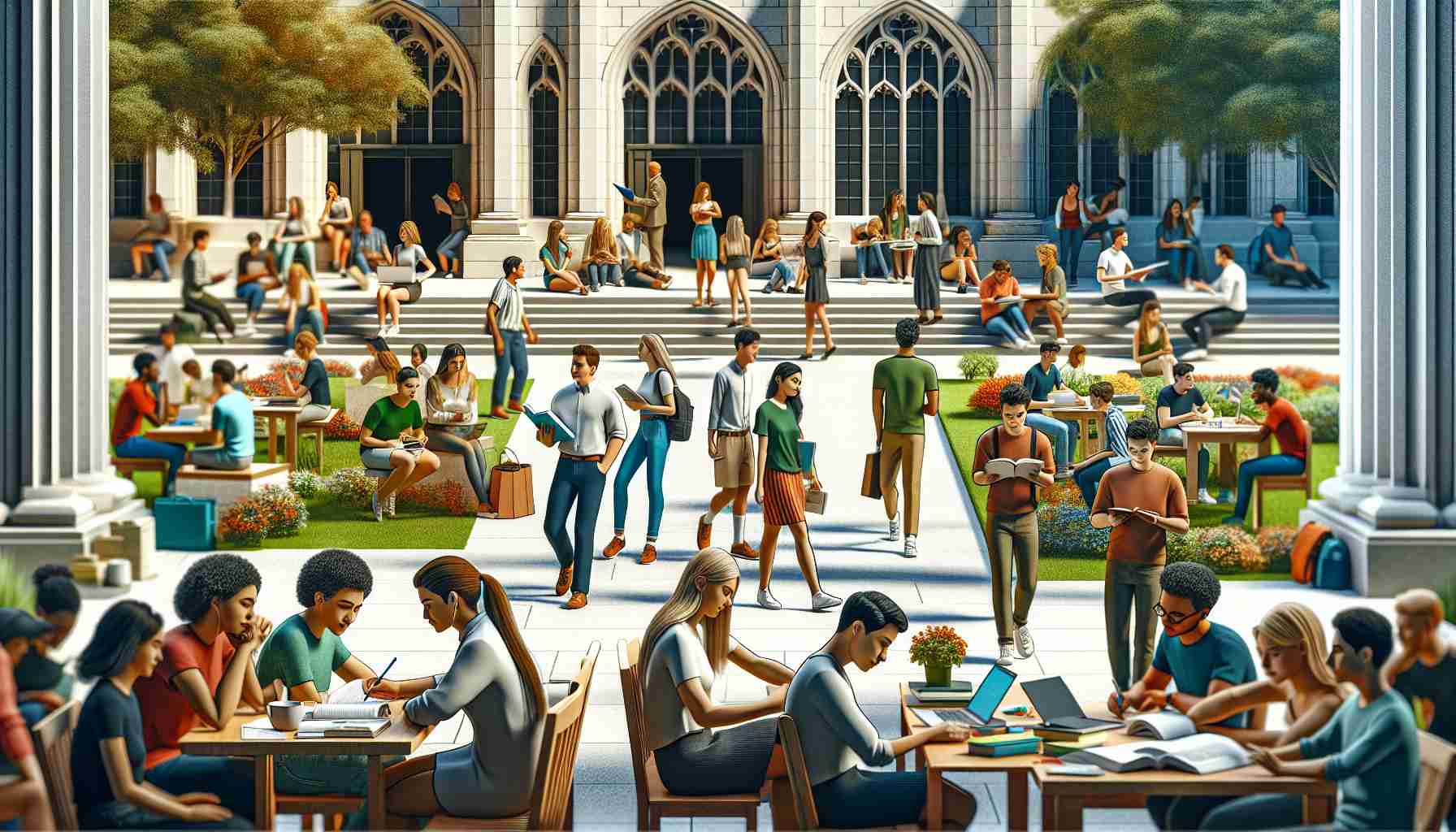
Internships and experiential learning opportunities play a crucial role in bridging the gap between academic knowledge and practical application. W&M guarantees funded internships for all undergraduates, which has led to a significant increase in students gaining hands-on experience in their fields. This commitment not only enhances students’ resumes but also provides them with invaluable networking opportunities and insights into their chosen industries. Data shows that students who engage in internships are more likely to secure employment post-graduation, with a higher likelihood of pursuing graduate education. This correlation underscores the importance of experiential learning in enhancing career readiness.
Emory’s Pathways Center further exemplifies the integration of internships into the liberal arts framework. By facilitating connections between students and alumni, the center helps students navigate their career paths while emphasizing the importance of soft skills developed through liberal arts education. The center’s initiatives, such as Career Communities, curate resources tailored to specific industries, ensuring that students are well-prepared for the demands of the job market.
Moreover, the recognition of UIC’s Career Development and Internships Office with the Career Readiness Excellence Award highlights the impact of innovative career support practices. The LAS 200 program has demonstrated significant improvements in students’ understanding of career opportunities, reinforcing the notion that a liberal arts education can lead to diverse and fulfilling career paths. By focusing on the development of transferable skills, UIC prepares its graduates to thrive in various professional environments.
In conclusion, the integration of critical thinking, communication, and adaptability within liberal arts education equips students with the essential skills needed for success in the job market. Institutions like W&M, Emory, and UIC are leading the way in demonstrating how a commitment to career development and experiential learning can enhance the employability of liberal arts graduates. As the job market continues to evolve, the value of a liberal arts education remains clear: it not only prepares students for specific careers but also fosters the versatile skill set necessary to navigate an ever-changing professional landscape.
Alumni Success Stories: Impact Across Various Fields
William & Mary (W&M) has a long-standing tradition of producing graduates who excel in diverse fields, showcasing the profound impact of a liberal arts education. The university’s alumni network, comprising over 110,000 individuals, serves as a testament to the institution’s commitment to fostering a culture of mentorship and professional development. This network not only supports current students but also exemplifies the varied career paths that W&M graduates pursue, reinforcing the value of a well-rounded education.
One notable alumnus is Thomas Jefferson, who, as a Founding Father and the third President of the United States, exemplifies the profound influence that W&M graduates can have on society. His contributions to the formation of American democracy and his role in drafting the Declaration of Independence highlight how a liberal arts education can empower individuals to effect significant change. Jefferson’s legacy continues to inspire current students, who are encouraged to engage in civic life and contribute to their communities.
In the realm of business, W&M alumni have made remarkable strides. For instance, former CEO of the American Red Cross, Gail McGovern, has leveraged her education to lead one of the most recognized humanitarian organizations in the world. Her career trajectory illustrates how the skills acquired through a liberal arts education—critical thinking, effective communication, and ethical leadership—can be applied to address complex global challenges. McGovern’s success story resonates with many current students who aspire to make a difference in the nonprofit sector.
The field of law also boasts distinguished W&M alumni, such as former U.S. Attorney General Eric Holder. Holder’s tenure as the first African American Attorney General of the United States underscores the importance of diversity and representation in leadership roles. His commitment to justice and equality reflects the values instilled in W&M graduates, who are encouraged to advocate for social change and uphold the rule of law. This narrative parallels the experiences of alumni from other institutions, such as Emory University, where graduates are similarly prepared to navigate the complexities of the legal landscape.
In the arts, W&M alumni have achieved notable recognition as well. For example, actress and producer Anna Kendrick, known for her roles in films like “Pitch Perfect,” has utilized her platform to advocate for various social causes. Her journey from a W&M student to a Hollywood star exemplifies how a liberal arts education can cultivate creativity and empower individuals to pursue their passions while making a positive impact on society. This mirrors the experiences of graduates from Montclair State University, who have also made significant contributions to the arts and culture sectors.
Moreover, W&M’s commitment to fostering a supportive alumni network is evident through initiatives that connect current students with successful graduates. Programs such as mentorship opportunities and networking events allow students to gain insights from those who have navigated similar career paths. This culture of mentorship is crucial in preparing students for the job market, as it provides them with valuable guidance and resources to succeed in their chosen fields.
The emphasis on internships and experiential learning at W&M further enhances the career readiness of its graduates. The university guarantees funded internships for all undergraduates, ensuring that students gain practical experience while pursuing their academic goals. This approach aligns with trends observed at other institutions, such as the University of Illinois Chicago, where innovative career development practices have been recognized for their effectiveness in preparing students for the workforce. By prioritizing hands-on experiences, W&M equips its graduates with the skills and confidence needed to excel in a competitive job market.
In conclusion, the achievements of William & Mary alumni across various fields illustrate the transformative power of a liberal arts education. The university’s commitment to fostering a strong alumni network and providing meaningful career development opportunities ensures that graduates are well-prepared to make significant contributions to society. As W&M continues to uphold its legacy of excellence, the stories of its alumni serve as a source of inspiration for current students, encouraging them to pursue their passions and engage with the world around them.
The Importance of Funded Internships and Career Development Initiatives
The commitment of William & Mary (W&M) to guarantee funded internships for all undergraduates represents a significant step toward enhancing student outcomes and career trajectories. This initiative not only addresses the financial barriers that often prevent students from pursuing valuable internship experiences but also aligns with broader trends in higher education that recognize the critical role of internships in preparing students for the workforce.
Internships have been shown to improve employability and skill development, with research indicating that students who engage in internships are more likely to secure employment after graduation. A study from the University of Wisconsin-Madison (2025 USNews Ranking: 39) highlights that students who complete internships report enhanced communication, problem-solving, and teamwork skills—key competencies that employers seek. Furthermore, over 80% of interns note that their experiences expand their professional networks, which can lead to job opportunities. The correlation between internships and career success is compelling; students who intern are three times more likely to pursue graduate education and have a 6.5% higher chance of securing employment compared to their peers who do not intern.
However, the landscape of internships is fraught with challenges, particularly regarding access and equity. The National Survey of College Internships reveals that only 41% of college seniors have completed an internship, with many students expressing a desire for such opportunities but facing barriers due to competition and limited availability. The reliance on unpaid internships exacerbates these issues, as many students cannot afford to work without compensation, particularly in urban areas where living costs are high. This situation creates a disparity where only those with financial means can afford to take on unpaid roles, thereby limiting access for low-income students.
W&M’s initiative to provide funded internships is a proactive response to these challenges. By ensuring that all undergraduates have access to financial support for internships, the university is not only leveling the playing field but also enhancing the overall educational experience. This commitment is particularly important as W&M has increased the percentage of Pell Grant-eligible in-state undergraduates, reflecting a broader strategy to improve access and affordability in higher education.
The implications of this initiative extend beyond individual student experiences; they resonate with the university’s mission to cultivate lifelong learners who are prepared to thrive in a rapidly changing world. By integrating funded internships into the undergraduate experience, W&M is fostering a culture of experiential learning that equips students with the practical skills and professional connections necessary for success in their chosen fields.
Moreover, the emphasis on funded internships aligns with national conversations about the importance of equitable access to high-impact educational practices. As institutions grapple with the realities of socioeconomic disparities, W&M’s approach serves as a model for other universities seeking to enhance student outcomes through innovative funding strategies. By prioritizing funded internships, W&M is not only preparing its graduates for meaningful careers but also contributing to a more equitable higher education landscape.
In conclusion, the initiative to guarantee funded internships for all undergraduates at William & Mary is a significant advancement in addressing the challenges of access and equity in higher education. By recognizing the vital role of internships in shaping student outcomes and career trajectories, W&M is positioning its students for success in a competitive job market while fostering a more inclusive educational environment.
Fostering Democratic Engagement and Civic Responsibility
William & Mary (W&M) has long recognized the importance of fostering democratic engagement and civic responsibility among its students, a commitment that is increasingly vital in today’s polarized political climate. The university’s initiatives aim to enhance civic education and participation, preparing students to become active, informed citizens who can navigate and contribute to the democratic process. This focus on civic engagement is not only a hallmark of W&M’s educational philosophy but also aligns with broader trends in higher education that emphasize the role of universities in cultivating a robust democratic society.
One of the key strategies employed by W&M is the integration of civic learning into the curriculum. This approach mirrors successful programs at other institutions, such as the University of California, which has implemented mandatory civic education courses that equip students with foundational knowledge about democratic processes and the skills necessary for effective participation. By embedding civic education into the academic experience, W&M ensures that students are not only aware of their rights and responsibilities as citizens but also understand the mechanisms of governance and the importance of civic engagement.
Moreover, W&M has taken proactive steps to create a culture of civic participation on campus. The university has organized events that encourage dialogue and debate on pressing societal issues, fostering an environment where students can engage with diverse perspectives. This initiative is reminiscent of efforts at Montclair State University, where President Jonathan Koppell has emphasized the need for universities to promote constructive civic engagement amidst a politically charged environment. By facilitating respectful discourse and collaboration, both institutions aim to prepare students to navigate the complexities of democratic participation.
W&M’s commitment to civic engagement is further exemplified by its recognition of student contributions to community service and public service initiatives. The university has explored the idea of awarding civic seals on diplomas, similar to proposals made by thought leaders in higher education, which would acknowledge students’ involvement in community service and experiential learning. This recognition not only incentivizes civic participation but also highlights the value of service in developing responsible leaders who are attuned to the needs of their communities.
In addition to curricular and extracurricular initiatives, W&M has embraced partnerships with local organizations to enhance students’ civic engagement experiences. By collaborating with community partners, the university provides students with opportunities to engage in meaningful service projects that address real-world challenges. This hands-on approach to civic engagement is echoed in the practices of other universities, such as Emory University, which has developed programs that connect students with local communities to foster a sense of responsibility and agency.
The importance of preparing students for active citizenship cannot be overstated, especially in light of the declining trust in democratic institutions and increasing political polarization observed across the nation. As highlighted in a recent article by the Ash Center for Democratic Governance and Innovation, higher education institutions have a unique opportunity to revitalize American democracy by enhancing civic learning and engagement. W&M’s initiatives reflect this understanding, positioning the university as a leader in promoting democratic values and civic responsibility among its students.
Ultimately, W&M’s commitment to fostering democratic engagement and civic responsibility is a vital component of its educational mission. By equipping students with the knowledge, skills, and experiences necessary for active participation in democracy, the university not only prepares them for successful careers but also empowers them to contribute meaningfully to society. As W&M continues to innovate in its approach to civic education, it sets a powerful example for other institutions seeking to enhance their role in shaping informed, engaged citizens who are ready to tackle the challenges of contemporary society.
Reference:
W&M’s Long View Prepares Graduates for Meaningful Success
Pathways Center at Emory University Enhances Career Development Opportunities for Students
UIC’s LAS Career Development Office Receives National Award for Innovative Student Support
Spotlight on Alumni Achievements at Montclair State University – Fall 2011
Princeton Alumni Weekly Highlights Most Influential Living Alumni
Internships Essential for College Graduates, Yet Scarce and Unequal
Virginia Tech Receives Grant to Enhance Career Outcomes Intelligence
California’s Higher Education Funding Landscape: Challenges and Opportunities
The Economics of Student Debt Relief: Biden Administration’s Strategies
Can Higher Education Renew Our Democracy?
The Role of Universities in Shaping Democratic Values