
Introduction to Coastal and Marine Sciences at William & Mary
The College of William & Mary (2025 USNews Ranking: 54) is making waves—literally—by launching Virginia’s first public undergraduate major in Coastal and Marine Sciences, a groundbreaking initiative that has just been formally approved by the State Council of Higher Education for Virginia (SCHEV). This exciting new program is set to kick off in the fall of 2025, and it promises to equip students with the knowledge and skills they need to tackle some of the most pressing environmental challenges of our time, such as climate change and biodiversity loss.
The establishment of this major is not just a feather in W&M’s cap; it’s a significant leap forward for environmental education in Virginia. Backed by an astounding $100 million donation from philanthropist Jane Batten, this initiative will enhance the academic and research capabilities of the Batten School of Coastal & Marine Sciences. This historic gift—the largest in the university’s 331-year history—will allow for the recruitment of top-notch faculty, the development of state-of-the-art facilities, and the provision of financial support for student research and internships. Talk about a game changer!
Derek Aday, the dean of the Batten School, expressed his gratitude to SCHEV for recognizing the need for such a program, emphasizing its potential to empower future generations to face critical environmental issues head-on. It’s refreshing to see a university take such a proactive stance, and it aligns perfectly with W&M’s broader commitment to sustainability and healthy ecosystems. In fact, 2025 has been declared the Year of the Environment at the university, reinforcing its dedication to fostering a culture of environmental stewardship among students and faculty alike.
What makes this new major particularly exciting is its emphasis on experiential learning and research opportunities. Students will not only gain theoretical knowledge but also engage in hands-on projects that will prepare them for real-world applications. The curriculum will include innovative courses like “People, Society and Coasts,” which will delve into the complex relationships between human societies and coastal environments. This interdisciplinary approach is crucial, as it recognizes that solutions to environmental issues must consider social, economic, and cultural factors.
Moreover, the partnership between the Batten School and the Virginia Institute of Marine Science (VIMS) will provide students with unique access to leading experts and cutting-edge research. This collaboration is vital in addressing urgent environmental challenges, including coastal resilience and climate adaptation strategies. Graduates of this program will be well-positioned to engage in impactful careers that can influence policy decisions and contribute to community sustainability efforts.
As excitement builds for the launch of the Coastal and Marine Sciences major, the university anticipates a competitive application process, aiming to accept an initial cohort of around ten students. This selective approach will ensure that the program maintains a focus on personalized education and hands-on learning, fostering a close-knit community of passionate individuals dedicated to making a difference in the field.
The implications of this new major extend far beyond the classroom. It represents a commitment to nurturing the next generation of environmental leaders who will tackle the pressing issues facing our coastal and marine ecosystems. With the backing of visionary philanthropists like Jane Batten and the innovative spirit of William & Mary, we can look forward to a future where students are not only educated but empowered to make meaningful contributions to the health of our planet. The excitement is palpable, and I can’t wait to see how this initiative unfolds!
Impact on Environmental Policy and Community Engagement
The establishment of the Coastal and Marine Sciences major at William & Mary is set to create ripples in the realms of environmental policy and community engagement. This new academic pathway is not merely an educational endeavor; it’s a strategic initiative that aims to cultivate a generation of leaders equipped to address the urgent environmental challenges we face today. By integrating the Batten School with the Virginia Institute of Marine Science (VIMS), W&M is positioning itself at the forefront of coastal and marine research, where innovative solutions are desperately needed.
In an era where climate change is reshaping our coastlines and threatening biodiversity, the collaboration between the Batten School and VIMS is particularly significant. This partnership is designed to foster interdisciplinary research that bridges the gap between science and policy, ensuring that graduates are not only knowledgeable in marine and coastal sciences but also adept at influencing environmental policy. As students navigate their studies, they will learn how to translate scientific findings into actionable policies that can bolster coastal resilience and sustainability.
The curriculum will emphasize experiential learning, providing students with opportunities to engage directly with the challenges faced by coastal communities. For instance, through fieldwork and research projects, students will explore real-world scenarios that demand innovative solutions. This hands-on approach is essential in preparing them to tackle complex issues like sea-level rise, habitat degradation, and the socioeconomic impacts of environmental change. By immersing themselves in these challenges, students will develop the critical thinking and problem-solving skills necessary to advocate for effective policy changes.
Moreover, the new major aligns perfectly with W&M’s commitment to community engagement. Graduates will be equipped to work closely with local governments, non-profit organizations, and community groups, fostering a collaborative spirit that is vital for successful environmental stewardship. The ability to communicate scientific knowledge to diverse audiences will be a key component of their education, enabling graduates to serve as liaisons between the scientific community and the public. This is particularly crucial in an age where misinformation can hinder progress on environmental issues.
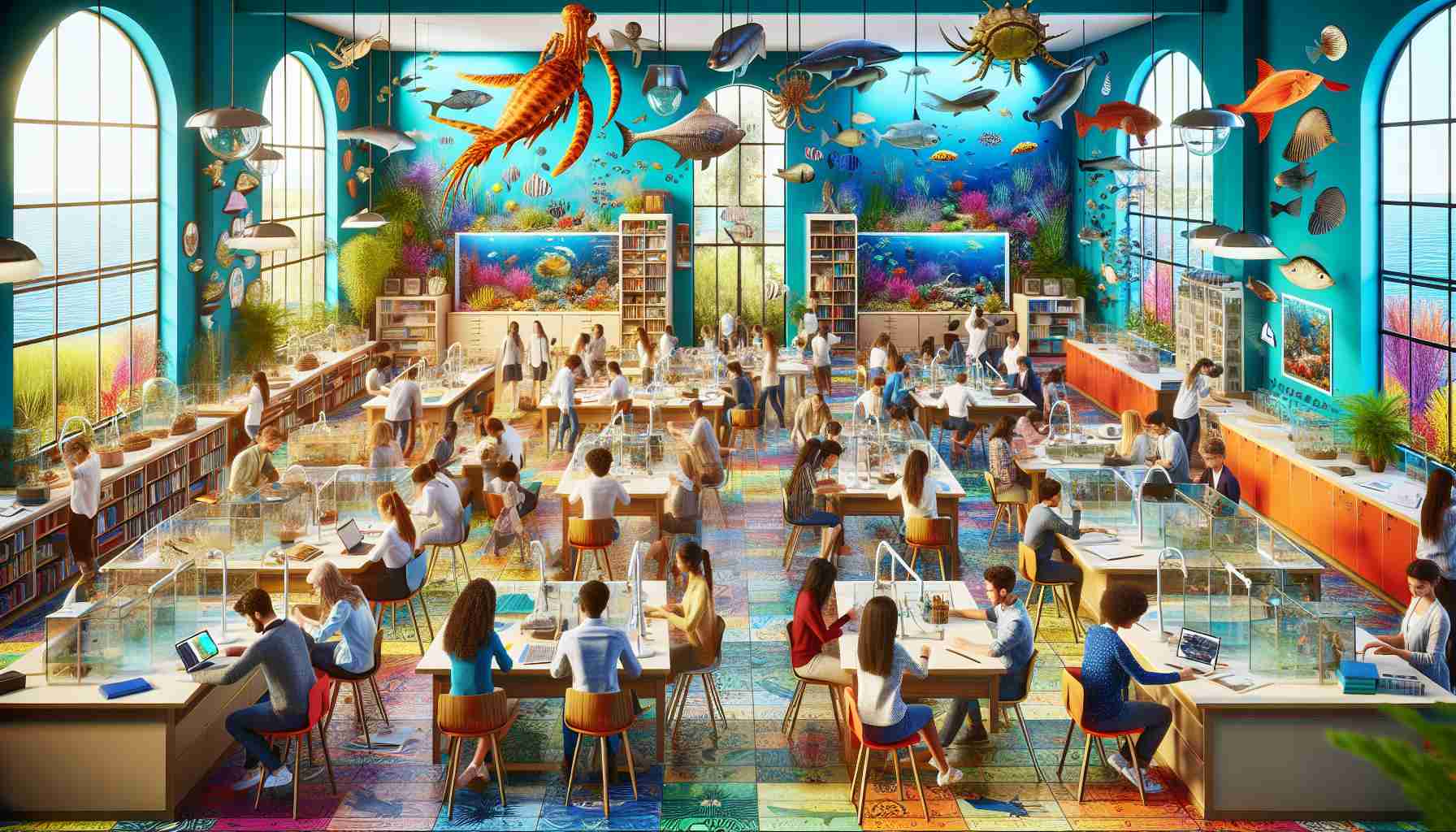
The potential impact of this program is profound. Graduates will emerge as informed advocates, ready to influence policy decisions at various levels—from local initiatives aimed at enhancing community resilience to broader legislative efforts addressing climate change. They will be prepared to engage in careers that span multiple sectors, including government agencies, environmental non-profits, and private industry. The skills they acquire will empower them to be leaders in sustainability efforts, shaping policies that prioritize ecological health and community well-being.
In addition to policy influence, the Coastal and Marine Sciences major will encourage students to contribute to community sustainability efforts through outreach and education. By working on projects that directly benefit local communities, students will gain invaluable experience in applying their academic knowledge to real-life situations. This aspect of their education will not only enhance their professional development but also instill a sense of responsibility towards the communities they serve.
As the program prepares to launch, the excitement among faculty and prospective students is palpable. The initial cohort of around ten students will have the unique opportunity to shape the program’s early trajectory, contributing their insights and passions to a field that is rapidly evolving. This intimate setting will foster close mentorship relationships with faculty, further enhancing the educational experience.
In conclusion, the Coastal and Marine Sciences major at William & Mary represents a significant step forward in environmental education. It is designed to cultivate a new generation of leaders who are not only knowledgeable about marine and coastal sciences but also equipped to influence policy and engage with communities. With the support of W&M’s robust academic framework and the collaborative spirit of VIMS, graduates will be well-prepared to tackle the pressing environmental challenges of our time, making a meaningful impact on both local and global scales. The future is bright, and I can’t wait to see how these students will rise to the occasion!
Interdisciplinary Approaches in Curriculum Development
The interdisciplinary nature of the Coastal and Marine Sciences curriculum at William & Mary is one of the standout features of this new major, and it’s something that truly excites me as the editor! This program is not just about diving into the depths of marine biology or studying the intricacies of coastal ecosystems; it’s about weaving together various fields of knowledge to create a holistic understanding of the challenges our planet faces. The introduction of innovative courses like “People, Society and Coasts” is a prime example of this interdisciplinary approach in action.
Taught by Assistant Professor Adriane Michaelis, who seamlessly blends her expertise in anthropology and marine science, this course will explore the complex relationships between human societies and coastal environments. It’s a refreshing perspective that recognizes the importance of social dynamics in environmental management. After all, how can we effectively protect our coastlines and marine resources without understanding the cultural and societal factors at play? This course will foster collaboration across disciplines, allowing students to draw from diverse perspectives and develop well-rounded solutions to pressing environmental issues.
But wait, there’s more! The curriculum is designed to encourage experiential learning, which is essential for students to truly grasp the real-world implications of their studies. Imagine spending an immersive semester at the Batten School’s campus in Gloucester Point, where students can engage in hands-on projects that address real environmental challenges. This isn’t just about sitting in a classroom; it’s about getting your hands dirty—literally! Whether it’s conducting field research, participating in community outreach, or collaborating on sustainability initiatives, these experiences will equip students with the practical skills they need to succeed in their future careers.
Experiential learning is vital in preparing students to tackle complex environmental issues. It’s one thing to learn about climate change in a textbook; it’s another to experience its impacts firsthand and understand the urgency of finding solutions. By engaging in hands-on research opportunities, students will develop critical thinking skills and the ability to apply theoretical knowledge to real-world scenarios. This is where the magic happens—students will not only become knowledgeable experts but also passionate advocates for change.
Moreover, the interdisciplinary approach extends beyond the classroom. The partnership between the Batten School and the Virginia Institute of Marine Science (VIMS) opens doors to collaboration with leading experts in the field. Students will have the unique opportunity to work alongside researchers who are at the forefront of marine science, gaining insights that can only come from hands-on experience in a research setting. This collaboration will not only enhance their academic journey but also position them as leaders in the field, ready to tackle the multifaceted challenges of coastal and marine environments.
The importance of collaboration cannot be overstated, especially in a world where environmental issues are increasingly complex and interconnected. As students learn to navigate the intersections of science, policy, and community engagement, they will emerge as well-rounded professionals equipped to address the pressing challenges of our time. Whether they choose to work in academia, government, non-profits, or the private sector, the skills they acquire through this interdisciplinary curriculum will be invaluable.
In addition, the program’s emphasis on inclusivity means that it will attract a diverse array of students, each bringing their unique backgrounds and perspectives to the table. This diversity is crucial in fostering innovative solutions, as it encourages students to think critically and challenge conventional approaches. By embracing a wide range of viewpoints, the program will cultivate a vibrant academic community that reflects the complexities of the issues at hand.
As we look ahead to the launch of this major, the excitement is palpable. The initial cohort of around ten students will have the rare opportunity to shape the program’s early trajectory, contributing their insights and passions to a field that is rapidly evolving. This intimate setting will foster close mentorship relationships with faculty, further enhancing the educational experience.
Ultimately, the interdisciplinary nature of the Coastal and Marine Sciences curriculum at William & Mary is not just an academic endeavor; it’s a commitment to preparing the next generation of environmental leaders who are equipped to tackle the challenges of our time. With a focus on experiential learning, collaboration, and inclusivity, this program is poised to make a significant impact on both local and global scales. I can’t wait to see how these students will rise to the occasion and contribute to a more sustainable future for our coastal and marine environments!
Future Career Opportunities and Guidance for Students
As students embark on their journey in the new Coastal and Marine Sciences major at William & Mary, they will discover a world of diverse career pathways waiting for them. The beauty of this field lies in its multifaceted nature, opening doors to various sectors where expertise in marine and coastal sciences is not just appreciated but essential. Graduates will find themselves well-prepared to step into roles within academia, government, non-profits, and the private industry, each offering unique opportunities to make a difference.
In academia, students can pursue advanced degrees and research positions, contributing to the body of knowledge in marine and coastal sciences. This pathway is ideal for those who are passionate about teaching and mentoring the next generation of scientists. Engaging in research projects, publishing papers, and presenting findings at conferences will be integral to their academic careers. The interdisciplinary curriculum at W&M, with its emphasis on hands-on learning, will provide students with the skills needed to excel in this competitive arena.
Government agencies are another promising avenue for graduates. Positions within federal and state agencies, such as the National Oceanic and Atmospheric Administration (NOAA) or local environmental protection departments, will allow students to directly influence policy and management strategies. These roles often involve conducting research, analyzing data, and developing programs aimed at conserving marine resources and addressing climate change impacts. Graduates will be equipped to advocate for science-based policies that enhance coastal resilience and protect vital ecosystems.
Non-profit organizations also play a crucial role in the marine and coastal sciences landscape. Many graduates may find fulfillment in working for environmental advocacy groups, conservation organizations, or community-based initiatives. These positions often focus on public outreach, education, and grassroots activism, empowering communities to engage in sustainable practices. The ability to communicate scientific findings to diverse audiences will be a valuable asset in these roles, as graduates will need to inspire action and foster a sense of stewardship for the environment.
Private industry presents yet another realm of opportunity. Companies involved in marine technology, consulting, or sustainable resource management are increasingly seeking individuals with expertise in coastal and marine sciences. Graduates may find themselves working on innovative projects that address environmental challenges while contributing to economic growth. The skills developed through W&M’s program—such as critical thinking, problem-solving, and interdisciplinary collaboration—will be highly sought after by employers in this sector.
As students navigate their career paths, job hunting in the field of coastal and marine sciences can be competitive, but there are strategies to enhance their prospects. Experts and successful alumni emphasize the importance of networking and gaining practical experience through internships and volunteer opportunities. Engaging with professionals in the field, attending conferences, and joining relevant associations can open doors to job opportunities and mentorship.
Additionally, students should take the time to research potential employers and understand the specific skills and qualifications they seek. Many organizations value candidates who demonstrate a combination of technical expertise and soft skills, such as communication, teamwork, and adaptability. By tailoring their resumes and cover letters to highlight relevant experiences and skills, students can stand out in the job market.
Moreover, staying informed about emerging trends and challenges in the field will give graduates a competitive edge. For instance, understanding the implications of climate change on coastal ecosystems or the latest advancements in marine technology can position them as valuable assets to potential employers. Continuous learning and professional development will be key to thriving in this ever-evolving field.
As the excitement builds around the launch of the Coastal and Marine Sciences major, prospective students can feel confident that they are stepping into a program designed to equip them for meaningful careers. With a strong foundation in interdisciplinary education, hands-on experiences, and a commitment to community engagement, graduates will be prepared to tackle the pressing environmental challenges of our time. The future is bright for those who dare to dive into the depths of coastal and marine sciences, and I can’t wait to see the waves they make in their respective careers!
Conclusion: A New Era for Marine Sciences Education in Virginia
As we wrap up our exploration of the Coastal and Marine Sciences major at William & Mary, it’s clear that this program is not just a new academic offering; it represents a transformative initiative that will shape the future of environmental education in Virginia and beyond. By launching this pioneering major, W&M is actively contributing to the cultivation of future leaders in environmental science and policy, poised to tackle the pressing challenges of our time.
With its emphasis on interdisciplinary collaboration, experiential learning, and community engagement, the Coastal and Marine Sciences major is designed to equip students with a holistic understanding of the intricate relationships between human activities and coastal ecosystems. This program will not only provide students with essential scientific knowledge but will also instill a sense of responsibility towards the communities they serve. Graduates will emerge as informed advocates, ready to influence policy decisions and engage in sustainability efforts that prioritize ecological health and social equity.
The broader implications of this initiative extend far beyond the university’s campus. As Virginia faces the realities of climate change, sea-level rise, and biodiversity loss, the need for skilled professionals who can navigate these complex issues has never been more critical. By fostering a new generation of environmental leaders, William & Mary is enhancing the Commonwealth’s role in addressing global environmental challenges. The collaboration with the Virginia Institute of Marine Science (VIMS) further underscores this commitment, positioning the university at the forefront of coastal and marine research.
However, the success of this program hinges on the continued support and engagement of the community and stakeholders. Whether through partnerships with local organizations, internship opportunities, or philanthropic contributions, the involvement of various sectors will be vital in realizing the full potential of this educational initiative. As we look ahead, it’s essential for all of us—students, faculty, alumni, and community members—to rally behind this transformative program and champion the cause of environmental stewardship.
In conclusion, the Coastal and Marine Sciences major at William & Mary is more than just an academic milestone; it is a beacon of hope for the future of our planet. It embodies a commitment to nurturing the next generation of environmental leaders who will be equipped to confront the challenges of climate change and advocate for sustainable practices. As we embark on this exciting journey, let’s embrace the opportunity to make a meaningful impact, not only in Virginia but also on a global scale. Together, we can create a more resilient and sustainable future for our coastal and marine environments.
Reference:
- W&M Launches Virginia’s First Undergraduate Major in Coastal and Marine Sciences
- William & Mary Receives Historic $100 Million Gift for Coastal and Marine Sciences
- William & Mary Receives $100 Million Donation for Marine Sciences School to Combat Climate Change
- Fostering Diversity, Equity, and Inclusion in Interdisciplinary Marine Science